
If you’ve ever stepped outside on a hot summer day and instantly felt sticky and damp, then you already understand the impact that excess humidity can have on the environment around you. Its unseen yet unmistakable presence can be instantly noticed with every step you take and every breath you inhale, and that thick, moist air is not only uncomfortable, but can be dangerous as well. Unfortunately, all of that extra moisture isn’t just limited to the great outdoors, and there may be times when your home succumbs to that same clammy fate, despite your best efforts to prevent it. When this happens, everything from your physical walls to the food in your pantry is at risk of damage and deterioration, and a humid house increases the potential for mildew and mold to start growing in abundance. But high humidity doesn’t have to spell complete disaster for your living space, and with a few key strategies, you can effectively transform your residence back into the comfortable, dry sanctuary that you deserve.
Why Is Humidity a Problem?
Impacting everything from the food in your cupboards to the quality of your sleep, humidity is a silent but deadly force that has the potential to wreak havoc on your daily life. All of that extra moisture creates the ideal environment for mold, mildew, and even pests to thrive, and if it isn’t dealt with quickly, it can eventually lead to a never-ending list of problems for both your house, and your health. Whether it’s structural damage caused by moisture seeping in, or year-round allergy symptoms from ever-present fungal spores, the consequences of uncontrolled humidity are far-reaching, and some of the most commonly seen concerns include:
- Mold & Mildew Growth
In order to grow, mold and mildew require food, oxygen, and water, and high humidity levels are one of the easiest ways to provide these nasty fungi with all of the moisture they need to thrive. Causing the surfaces in your home to become damp, the rising humidity creates an ideal breeding ground for mold and mildew to take root and spread, and beyond just being unsightly, they can also pose a serious risk to your health. Respiratory problems, persistent coughing, skin irritation, and allergic reactions are just some of the problems you could be facing with mold and mildew in the home, and this is why it's imperative to actively manage indoor humidity levels to prevent this from occurring in the first place.
- Structural Damage
Seeping into the walls, wood, and foundation of your home, excess humidity has the ability to cause serious structural damage over time and not only can this be costly to repair, it can be dangerous as well. From peeling paint on the walls to warped floorboards, wood rot to crumbling concrete, these manifestations of structural deterioration can compromise the stability and safety of your living space, and if left unchecked, may require significant repairs and renovations in the future.
- Impact on Health
Spending too much time in a humid environment can have you feeling hot, uncomfortable, and moist almost immediately, but it can also start to impact your overall health in a myriad of ways that may not always be visible right away. As your lungs are forced to breathe in tiny droplets of water, for example, they can start to become irritated, and this can worsen conditions like asthma or cause breathing difficulties, particularly for those who already suffer from respiratory sensitivities. On top of that, excessive humidity creates an optimal environment for the growth of mold, dust mites, and other allergens, and it can trigger allergic reactions, worsen existing allergies, and lead to symptoms like sneezing, coughing, and congestion.
- Food Spoilage
With the price of groceries always on the rise, the last thing you need is for your food to spoil before you have a chance to eat it. But unfortunately, when your household humidity levels are too high this can quickly become a real problem, and all of that extra moisture can accelerate the bacterial growth in your perishable foods. Turning fruits and vegetables to mush, and changing your breads from delicious to disgusting, your out-of-control humidity may mean a lot more trips to the grocery store and a lot more waste, so it’s vital to combat this issue as early on as possible.
- Pests
Creating a welcoming environment for all types of pests, too much moisture can start to attract unwanted house guests such as cockroaches, ants, silverfish, termites, and even rats. The humidity helps these critters to survive and reproduce, and over time can lead to infestations if not properly managed and controlled. If you’re starting to see insects or rodents in your home and aren’t sure why, this could be a strong indication that your humidity levels are too high and you may need an immediate solution before they continue to multiply.
What Does a Dehumidifier Do?
So we know that high humidity is dangerous, but what is the ideal humidity level for your house? While it will depend on where you live, the time of year, and your preferences, most experts do agree that a humidity level between 30% to 60% is suitable for an indoor environment. In this range, the risk of mold or mildew developing and growing is significantly reduced, and you should also find that you avoid potential damages to your walls, flooring, and personal belongings. Because of how important controlled humidity levels are, many people choose to invest in either a portable or whole-house dehumidifier in order to ensure an optimal range is achieved, and these powerful appliances are one of the most effective tools that you have at your disposal.
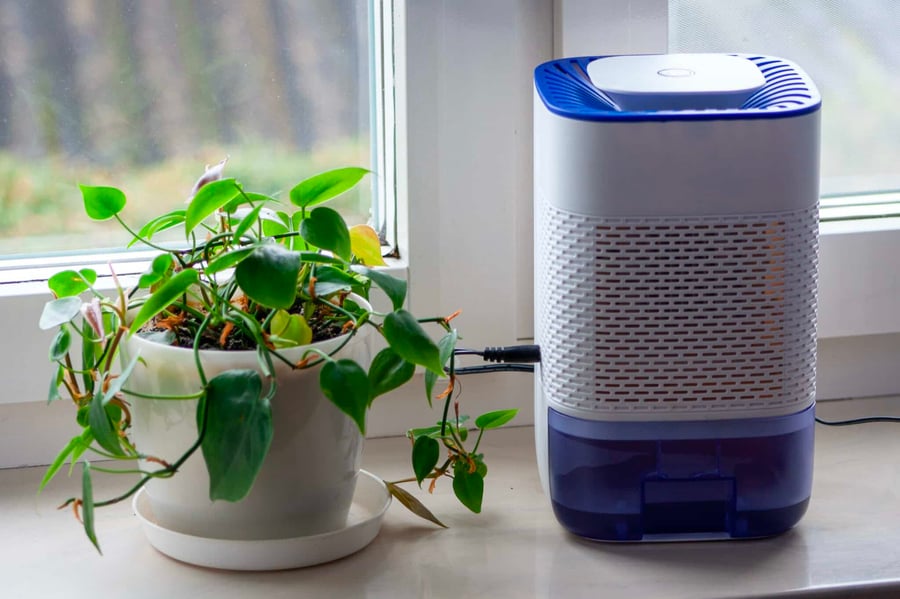
By pulling excess moisture out of the air and depositing it either outside the home or into a reservoir tank, a dehumidifier helps to maintain a healthier and more comfortable indoor environment for you and your family. All you need to do is set your desired humidity percentage, and the dehumidifier will take care of the rest, operating quietly and efficiently in the background as you watch TV, cook dinner, and even while you sleep. As the air becomes less moist, your dehumidifier will monitor and adapt, and it will maintain that optimal balance 24/7 ensuring that your living space remains both comfortable and safe. Incredibly beneficial, and in many cases essential, a dehumidifier can go a long way in protecting your home - but what are some of the big indicators you should be on the lookout for that could signal it’s time to make this purchase?
Some of the key ways to tell if a dehumidifier may be necessary for you and your home could include:
- A build-up of condensation around window frames
- Windows that appear foggy
- Musty odors that smell stale or damp
- Visible mold or mildew growth on the walls, floors, or ceiling
- On-going allergies that don’t appear to be seasonal
- Coughing, sneezing, and congestion that doesn’t get better
- Warped floorboards or paint that peels off the walls
- An increase in pest activity such as silverfish, cockroaches, or rodents
- Feeling hot and uncomfortable when indoors
- High humidity readings from a hygrometer
If you’re noticing any of these unwanted signs in your home then a dehumidifier is likely going to be a worthwhile investment, and with so many options available it’s easy to find the perfect model to meet your unique household needs. From portable units designed for specific areas, to whole-house systems that seamlessly integrate into your HVAC setup, you have the flexibility to choose the dehumidifier that best suits your budgets and preferences; and taking this step can lead to significant improvements in your environment that benefit your home, your health, and your overall happiness.
Picking the Perfect Dehumidifier
Once you’ve determined that your home could benefit from having a dehumidifier installed, the next step in the process is going to be deciding on exactly which model is the right choice for you. With dehumidifiers, there isn’t a one-size-fits-all solution, and everything from the size of your home to your active humidity levels will factor into the decision you make. Before you run out to your closest store and grab the first dehumidifier you see, you will first want to identify your specific needs and preferences, and some factors that are important to take into consideration include the:
- Size of the Space
One of the most important parts of selecting a dehumidifier is ensuring that it’s up to the task of tackling your space, and since they are available in a wide range of sizes, it’s essential that you break out that measuring tape before hitting the store. In most cases, dehumidifiers are classified based on the square footage they can handle, and this information should be what guides you when browsing the various models. Ranging from tiny desktop models to solutions capable of handling 5,000 sq ft. or more, you'll find dehumidifiers designed to suit spaces of all sizes, and an accurate measurement guarantees you get effective results long-term.
- Capacity
After measuring the square footage, the next crucial factor in selecting the right dehumidifier for your space is the capacity, and this refers to how much moisture it is able to remove from the air within a specific time frame. In most cases, the capacity is measured in pints per day, which gives you a clear answer to how efficient and effective it will be in your home. Factors such as the current humidity levels, the size of the area, and the severity of moisture-related issues all influence the ideal capacity for your needs, and you may want to consider getting an accurate humidity reading with a hygrometer before making any final decisions.
- Drainage
Drainage options are a crucial consideration when choosing a dehumidifier, as this is what determines how all of that collected moisture is eventually removed from the unit. For units that are being placed close by to a sink, bathtub, window, or other potential drain source, the continuous draining models are a hassle-free solution that will ensure all of the collected moisture is immediately disposed of via a hose. However, if that isn’t a realistic option because of location, almost all dehumidifiers come equipped with a removable reservoir that you can manually empty each time it becomes full. Overall, continuous draining is ideal for unattended operation, but if accessibility to a drain point is a challenge, the manual emptying option can still effectively manage moisture levels in your environment, just with a little extra assistance required from you.
- Various Features
Dehumidifiers come with a range of features that enhance their performance and convenience, and this could include everything from fancy digital displays to programmable timers, and more. Some models offer fully adjustable humidity settings that allow you to target and maintain a specific humidity level in your space, and others include built-in filters that can prevent dust and debris from impacting the performance of your new appliance. Which features are relevant to you will depend on your needs and preferences, but you’ll want to compare a few different models to see what best suits your lifestyle and home environment.
- Energy Efficiency
Like with any home appliance, energy consumption is always a major concern, and you never want to add something to your household that will cause your monthly bills to skyrocket. Thankfully, many of the portable dehumidifiers currently available are Energy Star certified, and this designation indicates that they meet all regulatory criteria in order to qualify as an eco-friendly choice. Energy Star-certified dehumidifiers are designed to operate efficiently and use less energy, and this not only helps you save on electricity costs but also contributes to a more sustainable and environmentally responsible household.
- Total Cost
Once you’ve measured out your square footage, determined a sufficient capacity, identified the features you want, and double-checked to make sure each model you’re eyeing is Energy Star certified, the only thing that’s left for you to review is the cost. With models ranging from $50 to $1,000+ there is significant variation in price and you’ll want to really do your research so you can strike that perfect balance between your budget and your needs. While higher-end models might offer advanced technology and additional features, more affordable options can still provide effective dehumidification for your living space, so you’ll want to set a price limit and then shop around within it to find the best value for your money. Keep in mind that the upfront cost of a dehumidifier is an investment in maintaining a healthier and more comfortable indoor environment, and ultimately, this can lead to bigger savings when it comes to potential repair costs, health expenses, and even energy bills.
Bottom Line
Excess moisture inside the home is a common part of life, especially in regions where high humidity is a prevalent problem. But just because it’s common doesn’t mean it doesn’t pose a serious risk, and unchecked humidity levels can lead to everything from mold and mildew growth to compromised air quality, damaged belongings, and even increased pest activity. Fortunately, combating these issues is completely achievable with the help of a dehumidifier, and whether you opt for a small-sized portable model or an integrated whole-house system, the power to manage indoor humidity is truly at your fingertips. With the right dehumidifier, you will be able to finally regain control over the excess moisture in your home and it will empower you to create a healthier, cozier living environment that supports your well-being and protects your property for the long term. With so many different models available, and options to suit virtually all budgets, finding the perfect dehumidifier for your needs has never been easier and it’s a worthwhile investment that will lead to bigger, more noticeable savings down the road.