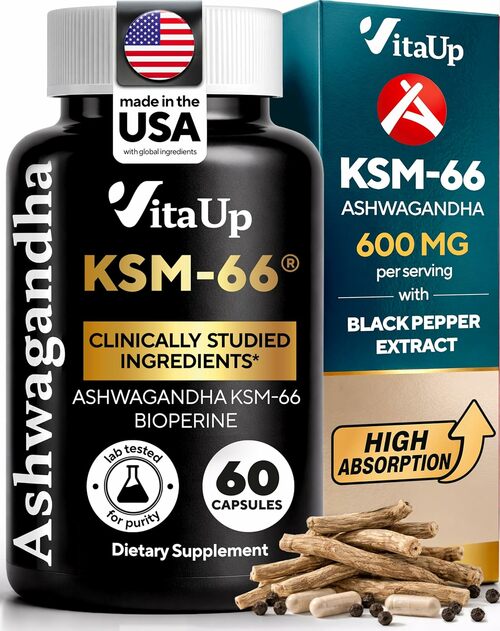
Ashwagandha is one of the most widely used herbs in Ayurvedic tradition and has become a mainstream adaptogenic supplement for adults looking to support stress resilience, relaxation, and overall wellness. As its popularity has grown, so has the range of products available — from standardized root extracts to whole-root powders, gummies, and multi-herb blends — with meaningful differences in potency, quality, and how well any given product reflects the research behind the ingredient. This guide walks you through what to evaluate before you buy, so you can choose a product that's transparent, appropriately dosed, and suited to your goals.
How Ashwagandha Works
Ashwagandha is classified as an adaptogen — a botanical traditionally associated with helping the body respond to stress more evenly. Its primary active compounds are withanolides, naturally occurring constituents concentrated mainly in the root. Researchers have explored how these compounds may interact with the body's stress-response pathways, including cortisol regulation, which is part of why ashwagandha is so commonly associated with relaxation and mood support. The quality and concentration of withanolides in a given product largely determine how closely it reflects the formulations used in clinical research, and results vary from person to person.
Who Should Consider Ashwagandha?
Ashwagandha appeals to a broad range of wellness-focused adults, but it's most relevant for a few specific goals.
- Daily stress management: Adults navigating work, lifestyle, or situational stress are the core audience for ashwagandha. It is commonly taken as a daily supplement by people looking to support a calmer, more even response to everyday pressure.
- Sleep and relaxation: Some people take ashwagandha specifically with wind-down and sleep quality in mind. Evening dosing is common for this purpose.
- Fitness and recovery: Ashwagandha has been studied in active populations for potential support of endurance, physical performance, and post-exercise recovery. It is a popular addition to wellness routines among people who train regularly.
- Ayurvedic and herbal wellness: Those drawn to traditional botanical practices often seek out ashwagandha as a foundational herb, sometimes preferring whole-root powder for its Ayurvedic heritage over standardized extracts.
- Quality-conscious supplement buyers: People who prioritize third-party verified products will find ashwagandha a category where certification signals matter significantly, given variability in sourcing and potency across brands.
Standardized Extracts vs. Whole-Root Powder
The single most important distinction when comparing ashwagandha products is whether you're looking at a standardized extract or a whole-root powder. This choice affects potency, consistency, and how closely the product reflects available research. A higher milligram count does not automatically mean a more effective product — standardization and extract type matter more than raw mg.
- Standardized root extracts: These are concentrated and processed to deliver a defined withanolide percentage — typically around 5% for full-spectrum root extracts. This consistency means each serving contains a predictable amount of active compounds, which is how most clinical studies have been formulated. Doses in the 300–600mg per day range are where the published research is most concentrated.
- Root-and-leaf extracts: Some standardized extracts include both root and leaf material, which can yield higher withanolide percentages — sometimes around 10% — at lower milligram doses. The withanolide profile differs slightly from root-only extracts, and the available evidence on leaf-containing formulas, while growing, is less extensive than for root-only products. Evidence comparing the two approaches is mixed, and neither is definitively superior — the profiles simply differ.
- Whole-root powder: Traditional and minimally processed, whole-root powder is the form used historically in Ayurvedic practice. It contains naturally occurring withanolides but at variable, unstandardized levels. Milligram for milligram, it is generally less concentrated than a standardized extract.
What to Look for When Buying
With wide variation in formulation quality across the category, a few label details separate a well-made product from one that's largely marketing. Prioritize these factors when evaluating any ashwagandha supplement.
- Stated withanolide percentage: This number confirms the product has been standardized to a defined level of active compounds. If a label lists milligrams of ashwagandha extract but omits the withanolide percentage, you have no way to assess potency or compare it meaningfully to the doses used in clinical research.
- Transparent dosing: The label should clearly state the milligrams of ashwagandha per serving. Avoid products where ashwagandha is buried inside a proprietary blend with no disclosed amount — this makes it impossible to assess whether you're getting a meaningful dose.
- Third-party testing: Third-party testing is the most reliable way to verify potency and screen for heavy metals or contaminants. This matters especially for botanicals sourced from regions where soil conditions can affect heavy metal levels. Certifications from recognized programs such as NSF, USP, or Informed Sport are useful quality signals.
- GMP manufacturing: Good Manufacturing Practice (GMP) compliance indicates the product was made in a facility that meets quality and consistency standards. This is a baseline worth confirming.
- Form factor and lifestyle fit: Capsules offer convenience and consistent dosing. Powders can be blended into drinks but vary more in how easy they are to work into a routine. Gummies are palatable but may contain added sugars and often deliver lower or less precise doses. Liquid extracts and tinctures offer flexibility but require attention to concentration labeling. Adaptogen blends can be useful but make it harder to assess the ashwagandha dose specifically.
- Certifications for your needs: If you follow a specific diet or compete in tested sports, look for vegan, non-GMO, or Informed Sport certification as appropriate. These signals also tend to indicate more rigorous overall quality standards.
Safety, Side Effects, and Considerations
Ashwagandha is generally well-tolerated by healthy adults, but it's not without considerations. Long-term safety has not been fully established; most clinical research is based on short-term use of up to approximately three months. Ashwagandha supplements are not evaluated or approved by the FDA as a drug, and this guide is for informational purposes rather than medical advice.
- Common side effects: Mild digestive upset, drowsiness, or loose stools can occur, particularly at higher doses. Taking ashwagandha with food may reduce GI sensitivity.
- Medication interactions: Ashwagandha may interact with medications, including those for diabetes and high blood pressure, thyroid drugs, immunosuppressants, anticonvulsants, and sedatives. If you take any prescription medications, review potential interactions with a qualified professional before starting.
- Thyroid sensitivity: Because ashwagandha may influence thyroid hormone levels, people with thyroid conditions should be especially careful and talk with their doctor before starting.
- Who should be cautious: Consult a healthcare provider before use, especially if you are pregnant, nursing, taking medications, or managing a health condition. Individual circumstances vary widely.
Bottom Line
Ashwagandha is one of the better-researched adaptogenic herbs available, with an evidence base exploring its use for stress and wellness in healthy adults — but product quality varies enormously. The most important factors to evaluate are whether the product uses a standardized extract with a disclosed withanolide percentage, whether the serving dose falls in the clinically studied range, and whether an independent third party has verified potency and screened for contaminants. Form factor matters too, but only after you've confirmed the basics are in place. A well-chosen ashwagandha supplement, taken consistently as part of a broader wellness routine, may fit naturally into a daily approach to balance — though outcomes differ from person to person, and no supplement is a stand-in for personalized guidance from a qualified provider.

 VitaUp
 Luma Nutrition
 VitaUp
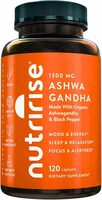 NutriRise