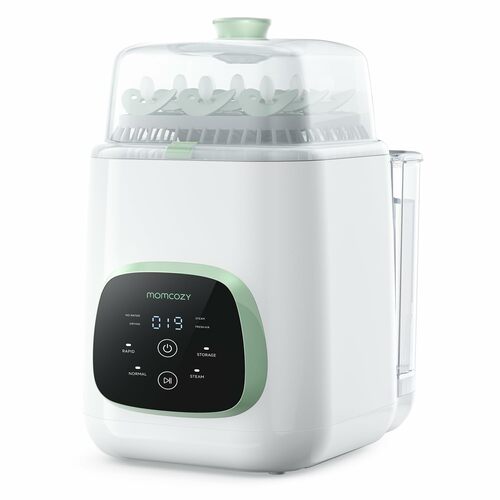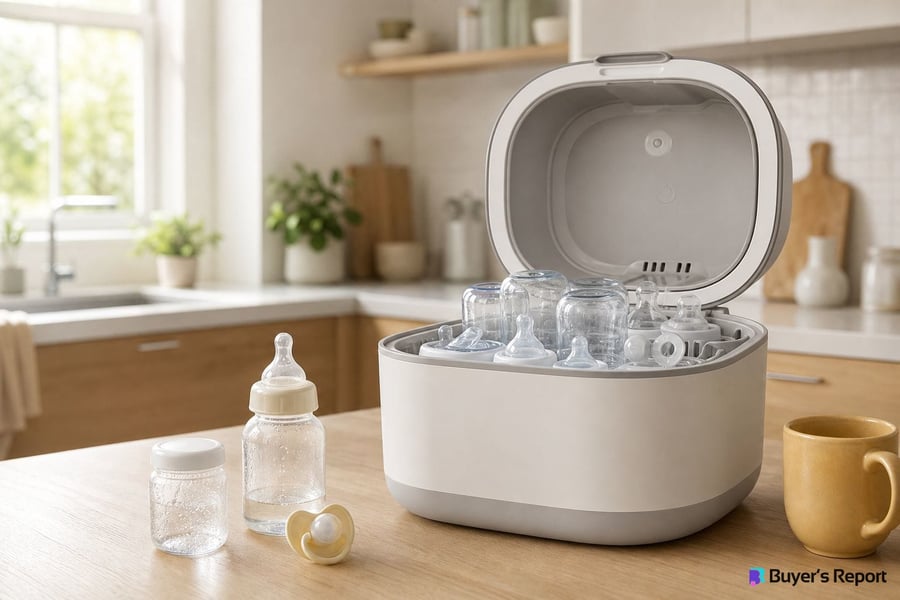
For parents of newborns, keeping feeding equipment clean is one of the most important routines of early parenthood — and a dedicated bottle sterilizer can take a lot of the guesswork out of the process. The CDC and AAP recommend daily sanitizing of infant feeding items for at least the first 2–3 months of life, and more frequently for premature or immunocompromised infants, making sterilization a recurring need rather than a nice-to-have. But with countertop steam units, UV sterilizers, microwave bags, and combination dryer models all competing for your attention, choosing the right one comes down to how often you're sterilizing, how much space you have, and whether features like built-in drying matter to your routine. This guide walks you through the key buying decisions so you can match the right sterilizer to your baby's needs and your kitchen reality.
Who Should Consider a Baby Bottle Sterilizer?
A sterilizer makes the most sense when your feeding schedule is frequent, your baby is vulnerable, or you simply want a faster and more consistent alternative to boiling on the stove. Not every parent will have the same level of need, so it helps to think about where you fall before deciding which type to invest in.
- Newborn and premature parents: Infants in their first months — and especially those born premature or with compromised immune systems — benefit from a repeatable, hands-off sterilization process that's more consistent than boiling. Consult your pediatrician for guidance specific to your baby's health needs and age.
- Formula or exclusively pumping parents: If you're sterilizing multiple times a day, doing it manually gets old quickly. A countertop sterilizer or combination sterilizer-dryer cuts down meaningfully on time and effort compared to stovetop methods.
- Families with limited space: Microwave sterilizers and compact countertop units work well in small kitchens or apartments where counter space is precious. Portability matters here, too, if you'll be traveling frequently.
- Parents who want all-in-one convenience: Combination sterilizer-dryers appeal to parents who want to sterilize, dry, and store bottles in a single unit without towel-drying.
Sterilization Methods Compared
The method a sterilizer uses affects everything from cycle time to ongoing cost to how it fits into real-world use. Understanding the trade-offs between the main types will help you filter your options quickly.
- Electric countertop steam: These plug-in units use heated water to generate steam inside a sealed chamber, typically completing a cycle in 8–15 minutes. They handle a large batch of bottles, pump parts, and accessories at once. The main drawbacks are counter footprint and the need for regular descaling.
- Microwave steam sterilizers: Compact and inexpensive, microwave sterilizer bags or baskets use your existing microwave to generate steam in as little as 2–6 minutes. They're well suited to travel or small kitchens, though capacity is limited and cycle time depends on your microwave's wattage.
- UV-light sterilizers: These use ultraviolet light to disrupt microbial DNA on bottle surfaces without moisture or heat. Cycle times vary widely — anywhere from 5 to 60 minutes depending on the unit. UV sterilization requires direct line-of-sight exposure, meaning shadowed areas inside bottles may receive incomplete coverage; look for models with a mirrored interior or rotating mechanism to reduce this risk.
- Combination sterilizer-dryers: These countertop units add a hot-air drying cycle after steaming. Because sterilized bottles can become re-contaminated if not stored properly or left open, finishing the cycle with hot-air drying inside a closed unit helps preserve the work you just did. If you want a true all-in-one workflow, these are the most convenient option, though they typically cost more and take up the most counter space.
- Cold-water chemical sterilizers: Using sterilizing solution or tablets dissolved in water, these require no electricity or heat and are the most portable option of all. Soak times are typically 15–30 minutes, and the solution must be remixed regularly. They're best suited as a travel backup rather than a primary daily method.
Capacity and Compatibility
A sterilizer that can't fit your specific bottles is a frustrating purchase, so capacity and compatibility deserve careful attention before you buy. Think not just about how many bottles you need to sterilize per cycle, but what else goes into the machine — pump parts, pacifiers, sippy cup valves, and teethers all vary in shape and size.
- Bottle count per cycle: Entry-level countertop units may hold 4–6 standard bottles; larger models can handle 8 or more. If you're exclusively formula-feeding or pumping heavily, a higher-capacity unit means fewer cycles per day.
- Wide-neck vs. standard bottles: Wide-neck bottles sit differently in the rack and can block steam circulation if the unit wasn't designed for them. Check that the model you're considering explicitly lists compatibility with the bottle style you use.
- Pump parts and accessories: Flanges, valves, membranes, and tubing all need sterilization if you're pumping. Look for units with adjustable racks or accessory baskets that can accommodate irregular shapes without leaving gaps where steam circulation is blocked.
- Tall or angled bottles: Some bottle designs are taller than standard and won't fit upright in every sterilizer. Measure your tallest bottle before buying, and cross-reference it with the unit's listed interior height.
Key Features to Look For
Beyond the sterilization method and capacity, a handful of practical features separate sterilizers that work well in daily use from those that create extra friction. Prioritize the ones that match your routine and kitchen setup.
- Built-in drying function: Hot-air drying after the steam cycle removes the need to towel-dry. This matters most if you plan to store bottles inside the unit after sterilizing.
- Cycle time: If you're sterilizing multiple batches a day, a 6-minute microwave cycle and a 20-minute countertop cycle have meaningfully different impacts on your schedule. Shorter isn't always better if it comes at the cost of capacity or drying.
- Ease of descaling: Hard water causes mineral buildup inside steam chambers, and regular descaling is unavoidable. Look for units with removable, dishwasher-safe trays and clear descaling instructions — models that require disassembly to clean become a chore fast.
- Storage mode: Some combination units let you keep bottles inside the sterilizer after the cycle ends, maintaining a cleaner environment until you need them. This is genuinely useful if your kitchen tends to be busy or dusty.
- Portability and footprint: Microwave-compatible units pack flat and travel easily; countertop units can be bulky. If you travel regularly or share a kitchen with limited space, the physical size of the unit should factor heavily into your decision.
Safety Certifications and Materials to Verify Before Buying
Because sterilizers involve heat, steam, electricity, and direct contact with infant feeding items, the safety standards a unit meets are a meaningful part of the purchase decision. Keep in mind that sterilizers do not replace thorough washing — items should be cleaned before sterilizing, since the sterilization step is not designed to remove food residue or formula buildup. Before you finalize a purchase, check the product specs or packaging for the following.
- BPA-free, food-grade materials: All components that contact steam or baby items should be BPA-free and food-grade. Look for this stated explicitly on the product listing or label, not just implied by marketing language.
- Electrical safety certification: Look for recognized electrical safety certifications (such as UL, ETL, or CE) appropriate to your region. These indicate the unit has been independently tested for electrical hazards — an important baseline for any countertop appliance that runs unattended.
- Auto shut-off and lid interlocks: Built-in auto shut-off and lid-safety interlocks reduce scald and burn risk — useful features if you'll run the sterilizer while multitasking or with other children present. A lid interlock keeps the unit from being opened mid-cycle when hot steam could escape, and some models add cool-touch exteriors that reduce burn risk if small hands get close. Confirm these are listed as actual features, not vague safety claims.
- Results and duration vary: Sterilization needs vary by your baby's age, health status, and feeding method. If you're unsure how long or how often to sterilize for your situation, a pediatrician is the right resource.
Bottom Line
Choosing the right baby bottle sterilizer comes down to three things: the sterilization method that fits your routine, enough capacity to handle your daily bottle and accessory load, and the safety certifications that give you confidence in what you're putting near your baby's feeding equipment. For parents sterilizing multiple times a day, a countertop steam unit or combination sterilizer-dryer will deliver the best balance of speed, capacity, and convenience. For travel or backup use, a microwave sterilizer bag or cold-water chemical unit is hard to beat. Whatever you choose, verify the BPA-free materials, electrical safety certification, and auto shut-off before you buy — and treat this guide as a checklist, not a substitute for advice from your pediatrician on what's right for your baby's specific situation.

 Momcozy
 Grownsy
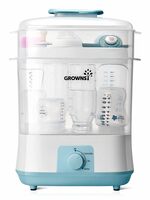 Grownsy
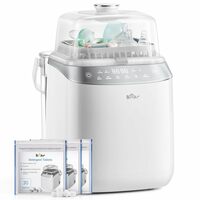 Bear
Bear
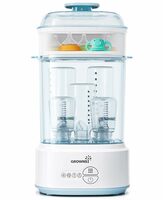 Grownsy
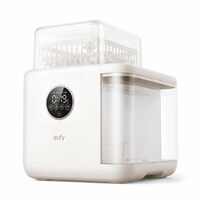 eufy
eufy