A check engine light or a mysterious warning on your dash can send you straight to a repair shop — but a car scanner lets you read that fault code yourself, understand what system triggered it, and make a smarter decision about what to do next. Modern scanners range from simple plug-in code readers that cost under $30 to professional tablet-based tools capable of active component testing and ECU coding, so picking the right one means matching the tool's capability to your vehicle, your skill level, and how much you plan to spend over time. This guide walks you through the key differences in diagnostic depth, what to verify about vehicle compatibility before you buy, and how to size up the true cost of ownership beyond the sticker price.
Who Should Buy a Car Scanner?
Car scanners aren't just for mechanics. Anyone who owns a vehicle and wants more visibility into what's happening under the hood can benefit from having one, and the right tool looks very different depending on how you plan to use it. Think about which scenario fits you best before you start comparing models.
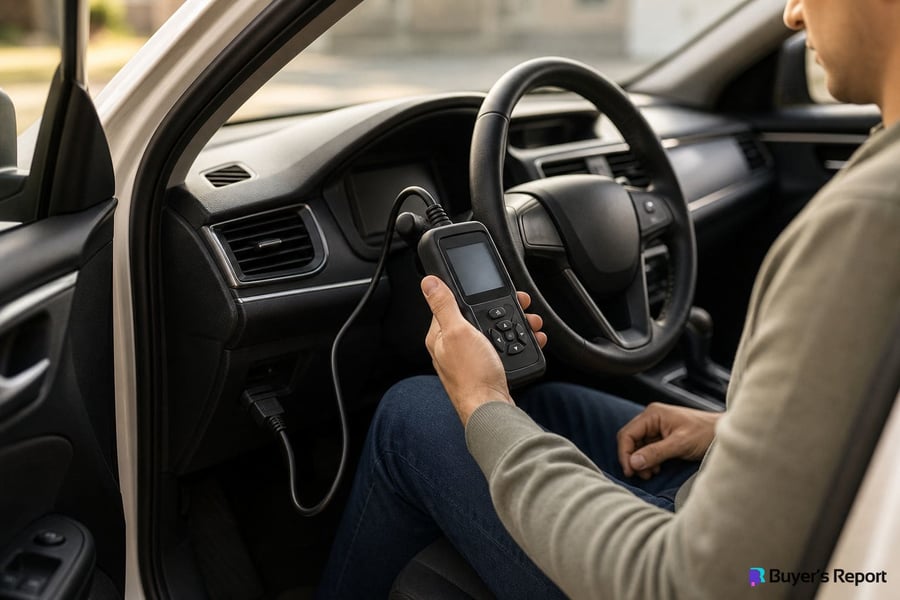
- Everyday drivers: If your main goal is understanding a check engine light before deciding whether to drive to the shop or call a tow truck, a basic code reader or a Bluetooth dongle paired to a smartphone app will handle that job without overcomplicating things. You don't need to spend much to get useful information.
- DIY home mechanics: If you perform your own oil changes, brake jobs, or suspension work, you'll want a tool that can access more than just engine codes and can also trigger service resets like oil life, electronic parking brake retraction, and TPMS relearn. A mid-range to full-system handheld will cover most of those needs.
- Used-car buyers: A scanner used at the curb before you hand over a deposit can reveal stored or pending fault codes a seller hasn't disclosed. Even a basic reader gives you leverage; a full-system tool shows you whether ABS, airbag, or transmission modules are throwing silent faults.
- Multi-vehicle households or enthusiasts: If you own a mix of newer and older vehicles — or anything European, Korean, or Japanese — broad vehicle coverage and support for modern protocols become critical. Vehicle compatibility varies by make, model, year, engine, and trim — always verify your specific vehicle is covered before purchasing.
- Independent shop technicians: Shops need bidirectional control, ECU coding, and fast, reliable vehicle coverage across many makes and years. A professional tablet-based scanner is the right tier here, though the total cost including annual update subscriptions can be substantial.
Diagnostic Depth: Matching the Tool to the Job
Diagnostic depth is the single most important spec to understand before buying, because it determines what you can actually do with the scanner — not just which codes you can read. All 1996-and-newer US vehicles are legally required to support generic OBD2 codes; manufacturer-specific codes and advanced functions vary widely by tool, so "OBD2 compatible" alone tells you very little about real-world capability. A scanner reads and interprets fault codes but does not replace a professional technician's diagnosis for complex or safety-critical repairs, and clearing a code does not address whatever caused it to be set in the first place.
- Basic code readers: These read and clear generic engine fault codes and check I/M readiness monitors — the emissions-test status indicators. They're inexpensive and fine for the single-purpose task of decoding a check engine light, but they can't see ABS, airbag, transmission, or any other module beyond the engine.
- Mid-range handhelds: Typically covering four systems — engine, ABS, SRS (airbags), and transmission — these tools are a meaningful step up for anyone doing their own repairs. You can see why a traction control light is on or whether your airbag module has a stored fault, which is useful for pre-purchase inspections and targeted DIY work.
- Full-system handhelds: These scan every module in the vehicle — body, chassis, powertrain, HVAC, infotainment, and more — giving you a complete fault picture across the whole car. What they don't do is send commands to components; they read and clear codes but can't, for example, cycle an ABS pump or actuate a fuel injector to verify it works.
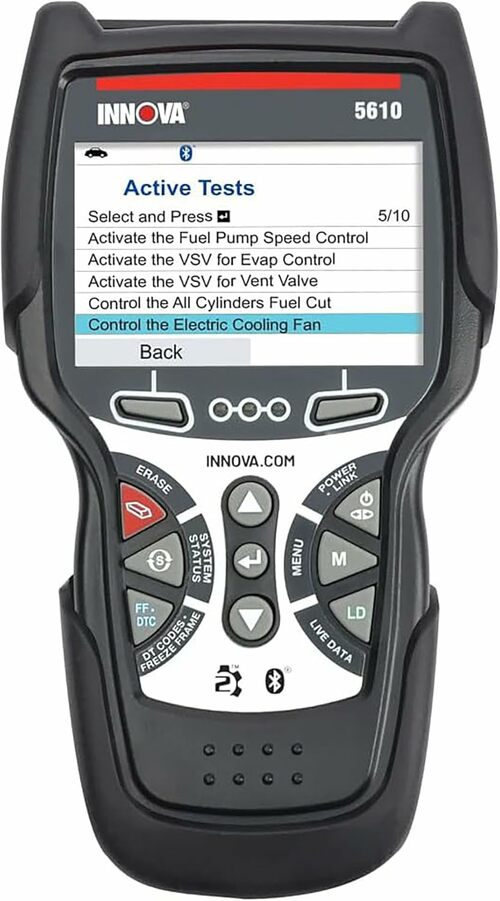
- Bidirectional / prosumer handhelds: The most capable consumer-grade tier, these add active component tests (also called bidirectional control) alongside full-system scanning and service reset menus. Being able to command a component to activate while you watch a live data feed is genuinely useful for narrowing down intermittent faults.
- Professional tablet-based scanners: These add ECU coding, programming, and dealer-level bi-directional tests that consumer tools generally can't replicate. The capability gap between a prosumer handheld and OEM dealer software is real for certain advanced functions, so be clear-eyed about what you actually need versus what a shop should handle — especially for brakes, airbags, and steering work.
- Bluetooth dongles + smartphone apps: Convenient and inexpensive, these pair with iOS or Android apps and work well for engine-code monitoring and live data. Coverage depth depends entirely on the app, which may require a subscription for full-system or advanced features — factor that into your cost math.
Vehicle Compatibility and Modern Protocols
Compatibility is where many buyers get burned. Use the manufacturer's online compatibility checker for your exact year, make, model, engine, and trim rather than relying on broad coverage claims on the box. This matters even more if you own a 2020-or-newer vehicle.
- CAN FD and DoIP: Post-2020 vehicles increasingly use faster communication protocols — CAN FD (Controller Area Network Flexible Data-rate) and DoIP (Diagnostics over Internet Protocol) — that older scanners simply cannot communicate with. If your vehicle is a 2020 model year or newer, confirm the scanner explicitly supports these protocols, or you may find it reads nothing at all beyond basic engine codes.
- EV and hybrid coverage: Electric and hybrid vehicles carry high-voltage battery management systems, thermal modules, and BMS-specific fault codes that require dedicated coverage. Not all scanners surface these, so if you own or plan to buy an EV or hybrid, check explicitly for battery and BMS support — don't assume it's included.
- European and Asian makes: Manufacturer-specific code coverage for European (German, French, Italian) and some Asian brands is inconsistent across scanner tiers. A tool marketed as "covering 80+ makes" may have shallow coverage for the exact brand you drive. Look for coverage lists that break down functions by make, not just vehicle count.
- Fault codes vs. failed parts: Results and code interpretations can vary; a fault code identifies a circuit or system, not necessarily the failed component. A P0420 code, for example, points to catalyst efficiency — but the root cause could be the catalytic converter, an oxygen sensor, an exhaust leak, or something else entirely. Understanding this before you buy sets realistic expectations for what the tool will and won't tell you.
Total Cost of Ownership
The purchase price on the box is only part of the story. Software update policies differ significantly and affect long-term usefulness — factor ongoing costs into the total price when comparing tools. A cheaper scanner with annual paid updates can easily cost more over three years than a pricier scanner with lifetime free updates.
- Lifetime free updates: Some manufacturers include free software and vehicle coverage updates indefinitely. This is the best scenario for long-term value, especially if you plan to keep the tool for several years or buy new vehicles in the future.
- Annual paid renewals: Many mid-range and professional tools charge an annual fee — often $50–$150 — to maintain access to new vehicle coverage and software improvements. After the first free year (which some include), these costs add up quickly. Calculate the three-year total before comparing models.
- Subscription-based apps: Bluetooth dongles that rely on smartphone apps may offer a free tier with basic functions and lock full-system or bidirectional features behind a monthly or annual subscription. Compare what you actually need against what the free tier provides.
- Service reset value: Tools that include service reset functions — oil life reset, TPMS relearn, EPB retraction, steering angle sensor calibration, battery registration — can pay for themselves quickly if you'd otherwise pay a shop to perform those resets after a DIY repair. Verify which resets are included and whether they work on your specific vehicle.
Bottom Line
The best car scanner is the one that matches your actual diagnostic needs — not the one with the most features on the spec sheet. If you just want to decode a check engine light, a basic reader or a Bluetooth dongle will do the job at minimal cost. If you're doing your own repairs and maintenance, a full-system or bidirectional handheld gives you the coverage and control to work more confidently. And if you own newer vehicles or a mix of makes, prioritizing protocol support and verified compatibility will matter far more than any other single spec. Take the time to check your specific vehicle against the tool's coverage list, run the three-year cost math on update fees, and buy the depth of capability you'll genuinely use — not the depth you might someday need.

 Innova
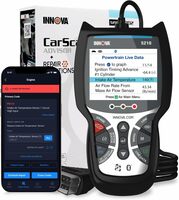 Innova
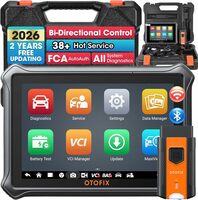 OTOFIX
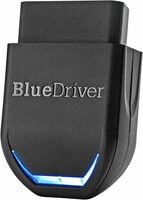 BlueDriver
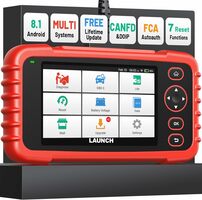 LAUNCH
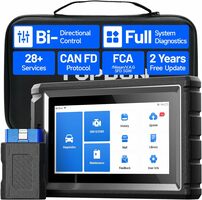 TOPDON