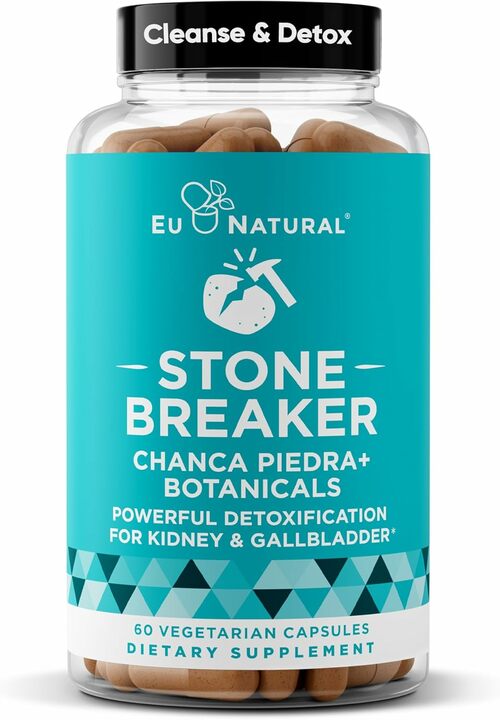
Chanca piedra — a small tropical herb whose name loosely translates to "stone breaker" — has been used in traditional herbal medicine for centuries, particularly across South America and Southeast Asia, where it has long been associated with kidney, liver, and digestive support. Today it's sold widely as a dietary supplement in capsule, tincture, tea, and other forms, attracting adults interested in kidney and urinary wellness, liver function, and herbal alternatives. This guide covers what chanca piedra is, who might consider it, and the quality and labeling factors that separate a well-made supplement from one that isn't worth your money.
What Is Chanca Piedra?
Chanca piedra (Phyllanthus niruri and related species) is a flowering plant that contains a range of bioactive compounds, including phyllanthin, hypophyllanthin, and various flavonoids and tannins. Phyllanthin is the marker compound most often used when manufacturers standardize extracts, and its presence at a verified percentage is the clearest signal that a product contains a consistent, measurable dose of active constituents. Whole-herb products mirror the full-spectrum plant profile used in traditional preparations, while standardized extracts concentrate specific compounds to a defined potency. Neither approach is universally superior — the right choice depends on your priorities around tradition, consistency, and dose transparency.
It's worth setting expectations up front: chanca piedra is a dietary supplement, not a drug, and it cannot be marketed to diagnose, treat, cure, or prevent any disease. Results vary by individual, and the human clinical evidence behind most claimed uses is limited and incomplete.
Who Should Consider Chanca Piedra?
Chanca piedra appeals to a fairly specific group of wellness-oriented adults. Here are the buyer profiles most likely to find it relevant.
- Kidney and Urinary Health: Adults interested in supporting urinary tract comfort, or who have a personal or family history of kidney concerns, are the most common buyers in this category.
- Liver Support: Some buyers seek chanca piedra as part of a broader approach to liver wellness, drawn by its traditional use in supporting healthy liver function.
- Digestive Wellness: Chanca piedra has a history of use for digestive discomfort, and buyers focused on gut health may include it alongside other digestive herbs.
- Herbal and Clean-Label Seekers: Wellness-oriented buyers who prefer plant-based, non-GMO, or organic supplements often gravitate toward this category, where sourcing transparency is especially meaningful.
- Traditional vs. Standardized Users: Some buyers want a whole-herb product that reflects centuries of traditional use; others prioritize a standardized extract with a stated phyllanthin percentage for more predictable potency. Knowing which approach matters to you narrows the field considerably.
Forms and Standardization Explained
The form you choose affects potency consistency, convenience, and how closely a product aligns with traditional use. These differences are meaningful when comparing products across brands, and because bioactive concentrations can vary widely across forms and brands, form choice has real downstream implications for what you're actually getting.
- Capsules or Tablets: The most popular format. Whole-herb capsules contain ground dried plant material and mirror traditional preparations closely, though bioactive concentrations can vary batch to batch. Standardized extract capsules list a phyllanthin percentage on the label, giving you a more reliable benchmark for comparing potency — look for HPLC-verified standardization rather than a vague "extract" claim.
- Liquid Tinctures: Tinctures use alcohol or glycerin to extract plant compounds and are absorbed quickly. A 1:5 herb-to-menstruum ratio is common and tells you how concentrated the preparation is — lower ratios mean a stronger extract. Tinctures suit buyers who want flexibility in dosing but require some tolerance for the taste.
- Tea Bags: The most traditional preparation and typically the least expensive entry point. Potency is the hardest to gauge here since brewing time, water temperature, and herb quality all affect the final cup. Best for buyers who value ritual and whole-plant tradition over dose precision.
- Loose Herb: Simmering loose dried herb extracts a broader range of compounds than standard steeping. This method is rooted in traditional practice but offers no standardization, making it difficult to compare dose-to-dose with encapsulated products.
What to Look for in a Chanca Piedra Supplement
Quality varies widely in this category, and label transparency is your most reliable tool. Independent verification carries extra weight here because bioactive concentrations differ so much across forms and brands, and mislabeling and adulteration are documented risks in the botanical supplement market. Here's what to prioritize.
- Standardization and Phyllanthin %: For extract products, look for a stated phyllanthin percentage confirmed by HPLC testing. A label that says only "proprietary extract" without a marker compound percentage gives you no reliable way to compare potency across brands.
- Third-Party Certification: USP Verified, NSF International certified, or ConsumerLab tested seals indicate independent verification of purity, identity, and label accuracy. A certificate of analysis (CoA) available on request is a meaningful secondary signal.
- GMP/cGMP Manufacturing: Current Good Manufacturing Practice compliance ensures consistent production standards and lowers the risk of contamination or mislabeling. Look for this stated on the label or the brand's website.
- Daily Dose Totals: Compare total daily milligrams — not just the per-capsule amount — across products. A two-capsule serving taken twice daily adds up very differently than a single daily capsule, and value calculations should be based on the daily total.
- Capsule Shell Type: If you follow a vegetarian or vegan diet, confirm the capsule is plant-based (typically hydroxypropyl methylcellulose) rather than gelatin.
- Price vs. Quality Signals: Meaningfully lower prices from unfamiliar brands carrying no certifications and no CoA warrant extra scrutiny. In a category with documented adulteration risk, a rock-bottom price is rarely a straightforward bargain. Form and standardization also affect what a given price actually buys you, so don't assume two products at the same price point are equivalent.
- Organic and Non-GMO Claims: For buyers prioritizing clean-label credentials, look for USDA Organic certification or verified non-GMO status rather than marketing language alone.
Safety, Side Effects & Considerations
Chanca piedra is sold under dietary supplement regulations and is not FDA-approved as a drug. Individual responses vary, and no supplement is risk-free for every person — so a few practical considerations are worth working through before you buy.
- Drug Interactions: Talk with a qualified healthcare provider before starting chanca piedra, especially if you take any prescription or over-the-counter medications, since potential drug interactions are not fully understood. There is particular theoretical concern around blood pressure medications, diabetes medications, diuretics, and anticoagulants.
- Common Side Effects: Nausea and vomiting are among the more commonly reported side effects, and what people experience can vary by dose and product form. Starting at a lower dose can help you gauge your own tolerance.
- Pregnancy and Breastfeeding: If you are pregnant or may become pregnant, seek expert medical advice before taking chanca piedra. Safety in pregnancy has not been established.
- Children: Keep out of reach of children. This supplement has not been studied in pediatric populations and is intended for adults only.
- Kidney or Liver Conditions: Anyone with an existing kidney or liver diagnosis should speak with a physician before use rather than self-supplementing.
Bottom Line
Chanca piedra attracts buyers who want herbal support for kidney, liver, and digestive wellness — but quality differences across products in this category are significant enough that how you choose matters as much as what you choose. Prioritize products with stated phyllanthin standardization (for extracts), third-party certification from USP, NSF, or ConsumerLab, and GMP-compliant manufacturing. Compare daily dose totals rather than per-serving figures, and factor in capsule type and clean-label credentials if those matter to your lifestyle. Above all, loop in a healthcare provider before starting — especially if you take medications or have an existing health condition — to make sure this supplement fits safely into your overall wellness plan.

 Eu Natural
 Eu Natural
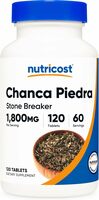 Nutricost
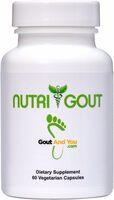 Gout and You