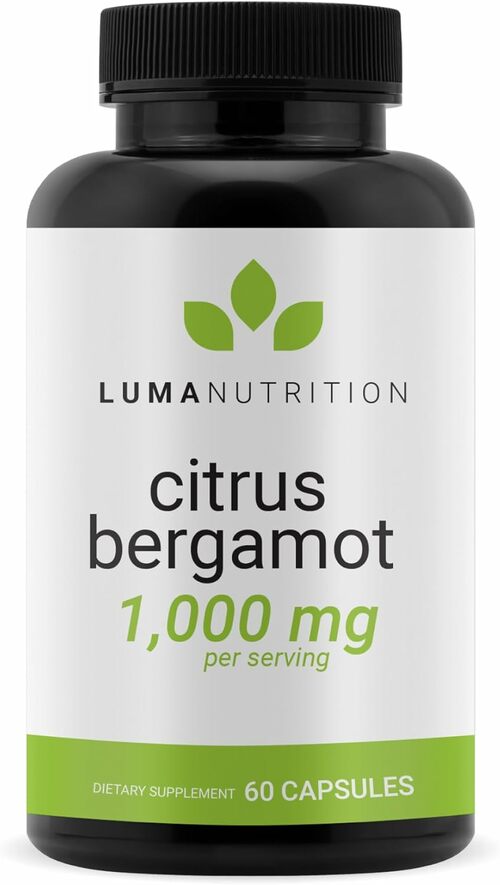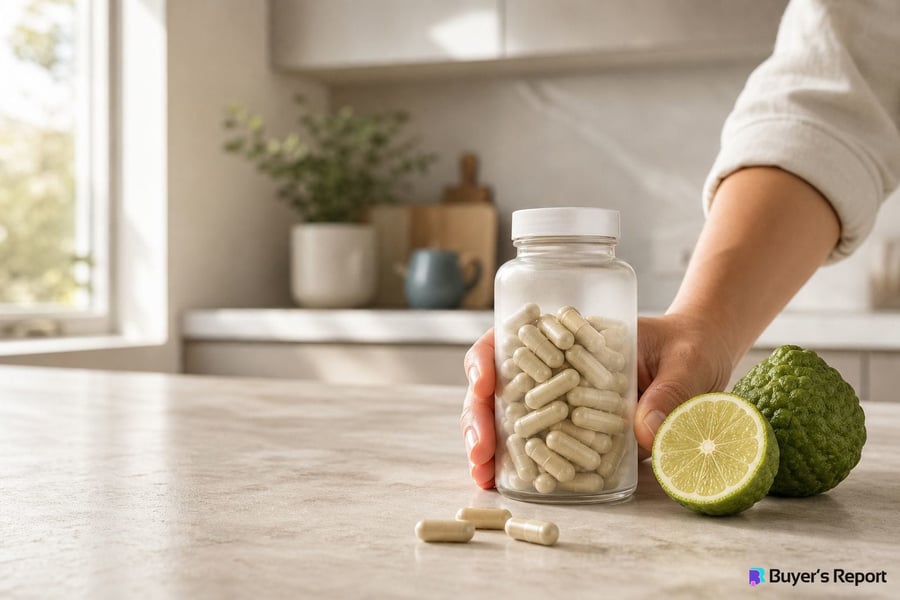
Citrus bergamot is a fragrant citrus fruit grown primarily in southern Italy, and its polyphenol-rich extract has attracted growing attention from adults looking to support healthy cholesterol, triglyceride, and blood glucose levels through natural means. Unlike generic citrus supplements, high-quality bergamot products are standardized to a specific fraction of bioactive compounds — and that distinction makes a meaningful difference when you're comparing labels. This guide walks you through what to look for when buying a citrus bergamot supplement, from understanding extract standardization to evaluating dose, sourcing, and third-party testing.
How Citrus Bergamot Works
The cardiovascular and metabolic interest in bergamot centers on its Bergamot Polyphenolic Fraction, or BPF — a concentrated group of flavonoids that includes two compounds unique to this fruit: melitidin and brutieridin. These polyphenols are thought to interact with pathways involved in lipid and glucose metabolism, which is why bergamot extract has been studied specifically for cardiovascular and metabolic health maintenance rather than general antioxidant support. The existing research distinguishes standardized bergamot extract from many other botanical supplements, but larger and longer human clinical trials are still needed to fully confirm benefits and pin down optimal dosing.
Who Should Consider Citrus Bergamot?
Citrus bergamot supplements appeal to a fairly specific audience — people who are actively focused on cardiovascular and metabolic health markers rather than general wellness. If you fall into one of the groups below, bergamot may be worth exploring as part of a broader approach.
- Cholesterol-conscious adults: People with elevated LDL or unfavorable lipid ratios often look to bergamot as a potential nutraceutical option to consider alongside diet and lifestyle changes.
- Metabolic health seekers: Individuals monitoring blood glucose or triglyceride trends may find bergamot's polyphenol profile relevant, since clinical research has explored its effects on multiple metabolic markers at once.
- Statin adjunct users: Some people taking cholesterol-lowering medications work with their doctors on whether to incorporate evidence-informed supplements. Citrus bergamot is one of the more studied options in this space, however, medical supervision is essential given potential interactions.
- Older adults with lipid concerns: Adults over 45 navigating age-related shifts in cardiovascular health markers may gravitate toward bergamot's relatively robust clinical profile over less-studied botanicals.
- Preventative wellness adopters: Health-conscious individuals already optimizing diet and exercise may add bergamot as a targeted addition to a broader cardiovascular maintenance routine.
Understanding BPF Standardization
Standardization is the single most important concept when buying a bergamot supplement. Without it, you have no reliable way to know whether a product contains the concentrations of active compounds studied in clinical trials — or just inert citrus powder. Learning to read standardization claims on labels takes only a few minutes and can save you from wasting money on underdosed products.
- BPF percentage: This figure tells you what proportion of the extract consists of the active polyphenolic fraction. Look for products stating a BPF of 38–47%, which aligns with the concentrations used in clinical research. A label that only says "bergamot extract" without a BPF percentage is a red flag.
- Melitidin and brutieridin: These two flavonoids are structurally unique to bergamot and are considered key markers of a genuine, high-quality extract. If a label lists BPF content but doesn't mention these compounds, the product may be using a lower-grade, or generic, citrus extract.
- Proprietary blends: Some products blend bergamot with other ingredients and disclose only the total blend weight. This makes it impossible to confirm whether you're getting a meaningful dose of standardized extract. Full disclosure of polyphenol content is the standard you should expect.
- Generic citrus powder: Products labeled simply as "bergamot powder" or "citrus bergamot fruit" without standardization data are unlikely to deliver clinically relevant polyphenol levels. The extraction and concentration process is what gives the supplement its value.
Sourcing, Forms, and What to Look For When Buying
Once you understand standardization, three additional factors can help shape your buying decision: where the bergamot comes from, what form you're taking, and how the product has been verified for purity. Each affects whether you're actually getting what the label promises.
- Calabrian origin: Bergamot grown in Calabria, Italy — the fruit's native region — is often associated with high natural polyphenol density due to local soil and climate. Many reputable products note this origin on the label, and it's a reasonable quality signal, though high-quality extract can come from elsewhere and sourcing alone doesn't replace standardization data.
- Capsules and softgels: These are the most widely used and consistently dosed forms of bergamot extract. Capsules make it easy to confirm you're getting a specific measured amount, which matters when typical clinical dose ranges fall around 500–1,000 mg of standardized extract daily.
- Powders and liquids: Powders can be mixed into drinks and may appeal to people who prefer to avoid capsules, but measuring consistency can vary. Liquid extracts and juice concentrates are less standardized across products and harder to dose accurately against clinical benchmarks.
- Third-party testing matters: Look for products with cGMP certification and, ideally, NSF or equivalent third-party verification. A Certificate of Analysis (CoA) available from the manufacturer confirms verified purity — independent testing for potency, heavy metals, and pesticide residues — so you can avoid contaminants that label claims alone won't catch.
- Price as a quality signal: Very low-cost bergamot supplements often indicate underdosed or poorly standardized extract. Quality BPF extraction is a more involved process than basic citrus drying, and the price should reflect that. If a product is dramatically cheaper than the category average, scrutinize its standardization claims carefully.
Safety, Side Effects, and Important Considerations
Citrus bergamot supplements are generally well-tolerated at doses aligned with clinical research, but bergamot isn't automatically safe for everyone, and there are several considerations worth weighing before purchasing — particularly if you're managing existing health conditions or taking prescription medications.
- Drug interactions: Consult a healthcare professional before starting bergamot supplements, especially if you're taking cholesterol-lowering medications such as statins or other prescription drugs. Bergamot's active compounds may interact with these medications, and professional guidance helps ensure safe and appropriate use.
- High-dose caution: Stick to the dosing range on the label and don't exceed it without professional guidance. High doses may carry adverse health effects, and more is not better with concentrated polyphenol extracts.
- Sensitive populations: Children, pregnant individuals, and breastfeeding individuals should exercise caution and seek medical advice before use. Bergamot supplements aren't appropriate for every population by default.
- Individual variability: Results vary between individuals — not everyone will experience the same effects, and some people may notice little to no change, even with consistent use of a well-standardized product.
- Regulatory status: Bergamot supplements are not FDA-approved drugs, and they are not intended to diagnose, treat, cure, or prevent any disease. Treat them as one component of a broader health strategy rather than a substitute for medical care.
Bottom Line
Citrus bergamot is one of the more rigorously studied botanical supplements in the cardiovascular and metabolic health space, but the quality gap between well-standardized products and generic citrus extracts is significant. When you're buying, prioritize a clearly stated BPF percentage in the 38–47% range, confirmed melitidin and brutieridin content, a daily dose of standardized extract in the 500–1,000 mg range, and third-party testing with available CoAs. Capsules are the most reliable form for consistent dosing, Calabrian sourcing is a useful (but not required) quality signal, and full ingredient transparency on the label is non-negotiable. Used thoughtfully alongside diet, lifestyle, and medical guidance, a high-quality bergamot supplement can be a well-reasoned addition to a cardiovascular wellness routine.

 Luma Nutrition
 Triquetra
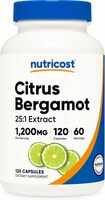 Nutricost
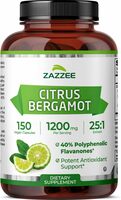 Zazzee