Coconut oil has become a staple in many households, valued for its versatility in the kitchen as well as its wide range of skincare and haircare applications. The category spans everything from richly aromatic virgin oils cold-pressed from fresh coconuts, to odorless refined versions built for high-heat cooking, and even liquid fractionated oils designed for topical use. With so many processing methods, certifications, and marketing claims crowding the shelves, knowing what actually matters can save you from paying a premium for a product that doesn't match how you plan to use it. This guide walks you through the key differences so you can choose with confidence.
How Coconut Oil Is Made — and Why It Matters
The way coconut oil is processed directly influences its flavor, heat stability, nutrient composition, and overall suitability for different uses. At a high level, the choice comes down to oils that retain the coconut’s natural aroma and character, versus those that have been refined for a neutral taste and greater cooking stability.
- Virgin / Cold-Pressed - Oil extracted mechanically from fresh coconut meat — without heat or chemical solvents — retains its natural aroma, flavor, and minor phytonutrients. "Cold-pressed" and "expeller-pressed" are preferable to solvent extraction (often hexane-based), which some consumers want to avoid. Look for one of these terms on the label rather than just "virgin."
- Refined (RBD) - Refined, bleached, and deodorized coconut oil is typically made from dried coconut (copra) and processed to remove odor and color. The result is a neutral-tasting oil with a higher smoke point — around 400°F (204°C) versus roughly 350°F (177°C) for virgin. This matters if you fry, sauté at high heat, or bake at temperatures above 375°F.
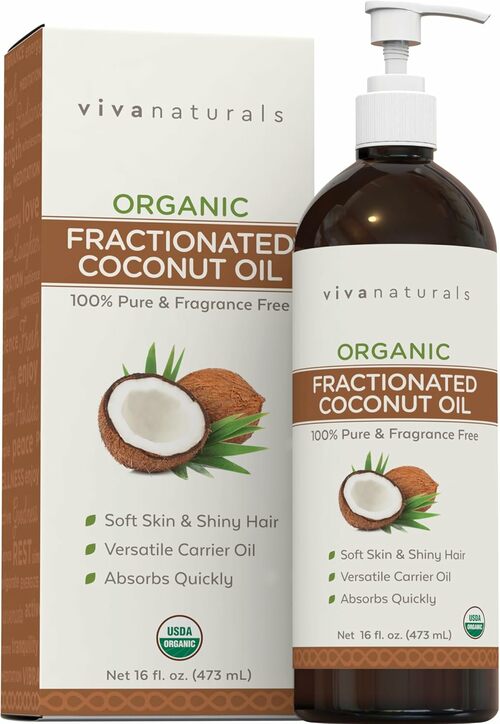
- Fractionated Coconut Oil - This form is processed to isolate specific medium-chain fatty acids — mainly caprylic and capric acid — leaving it liquid at room temperature. It has almost no flavor and a very long shelf life, making it popular for topical use and some dietary applications. It's not the right choice for general cooking.
- Solvent Extraction - Some lower-cost refined oils use hexane or other chemical solvents during processing. If the extraction method matters to you, look for "expeller-pressed" or "cold-pressed" on the label, even for refined versions.
What Can You Use Coconut Oil For?
Your intended use should drive your purchase more than any other single factor. The same product that's ideal for a stir-fry can be the wrong call for a leave-in hair treatment, so matching the type to the job is essential.
- High-Heat Cooking - Refined coconut oil's higher smoke point makes it the better choice for searing, stir-frying, and roasting. Using a virgin oil at temperatures beyond its smoke point degrades flavor and produces off-compounds, so save it for lower-heat applications.
- Baking and Raw Uses - Virgin coconut oil works well as a plant-based butter substitute in baked goods, energy balls, or no-bake recipes where its mild coconut flavor is welcome. If you want a neutral substitute for shortening or butter in savory baking, refined is the better pick.
- Skincare - Virgin and fractionated coconut oils are both popular as moisturizers, makeup removers, and massage bases. Fractionated oil absorbs more readily and won't solidify on skin, while virgin oil offers a richer, more occlusive feel. Individual skin responses vary.
- Hair Care - Virgin coconut oil is widely used as a pre-shampoo treatment, scalp conditioner, or finishing oil for frizz. Its fatty acid profile allows it to penetrate the hair shaft more effectively than many other oils, which is why it's a staple in this space. Results vary by hair type.
- Dietary use - Coconut oil is commonly used in keto and paleo eating patterns due to its fat composition. It is high in saturated fat, and individual responses to dietary intake can vary. If you are considering making significant changes to your diet—particularly if you have cardiovascular concerns—it may be advisable to consult a healthcare professional first.
Types and Grades to Know Before You Buy
Beyond the processing method, a few other distinctions on the label can affect quality and value. Understanding what each term actually means helps you avoid paying a premium for marketing language.
- Organic Certification - A USDA Organic seal (or an equivalent certification in other markets) confirms that the coconuts were grown without synthetic pesticides and that the oil was processed without prohibited substances. This is a verifiable standard, unlike terms such as "natural" or "pure," which have no regulated definition and shouldn't be read as quality guarantees on their own.
- "Extra-Virgin" Labeling - Unlike olive oil, there is no industry or regulatory standard that distinguishes "extra-virgin" coconut oil from "virgin." If you see this term, look past it to the extraction method and sourcing details instead.
- Fractionated vs. Standard Liquid - Some coconut oils are liquid simply because they're in a warm environment — they'll solidify at room temperature. True fractionated oil is permanently liquid because the longer-chain fatty acids have been removed. If you need a liquid oil for a topical recipe or a specific dietary use, confirm the label says "fractionated."
- Powder and Emulsified Blends - Coconut oil powders are made by binding oil to a carrier (often tapioca or acacia fiber) for easier mixing into drinks or recipes. These are convenient for travel or blending, but it’s important to check the ingredient list for fillers and added sugars. They are not a direct substitute for liquid or solid coconut oil in cooking.
What to Look For on the Label
With coconut oil, the label tells you a lot — if you know what signals to trust and which ones to ignore. Prioritize verifiable claims over vague descriptors.
- Extraction Method - "Cold-pressed" or "expeller-pressed" are meaningful, specific claims that indicate mechanical extraction without chemical solvents. If a label only says "pure" or "natural" without naming an extraction method, that's a gap worth noting.
- Country of Origin - Reputable products disclose where the coconuts were sourced — commonly the Philippines, Sri Lanka, or India. Origin transparency is a good signal of traceability and sourcing accountability.
- Third-Party Certifications - Beyond organic, look for non-GMO verification, kosher or halal certification, or certificates of analysis from independent labs. These carry more weight than in-house quality claims. Any health or wellness benefits described on packaging reflect general nutritional context rather than medical advice, and no coconut oil product is FDA-approved to diagnose, treat, cure, or prevent any disease.
- Packaging Quality - Light degrades oil over time. Dark glass jars or opaque containers are preferable to clear plastic, especially for virgin oils you'll store for several months. If you're buying in tins, check that the lining is food-safe and BPA-free.
- MCT Content Claims - Some labels highlight MCT percentage as a selling point. Because coconut oil naturally contains lauric acid (a longer-chain fatty acid that some sources classify differently), MCT figures can vary by methodology, and label claims are worth verifying against third-party testing where possible.
Storage, Shelf Life, and Allergen Notes
Coconut oil is relatively shelf-stable compared to many other cooking fats, but a few practical considerations will help you get the most out of a purchase.
- Typical shelf life - Virgin coconut oil generally keeps for 2 to 3 years when stored properly. Refined oils often have a shorter shelf life, while fractionated oils tend to be more stable and can last longer. Always check the best-by date and store the product according to the manufacturer’s instructions.
- Storage Conditions - Keep coconut oil away from direct sunlight and heat sources. A cool, dark pantry is ideal. There's no need to refrigerate it — doing so just makes solid coconut oil harder to scoop — but avoid storing it near the stove.
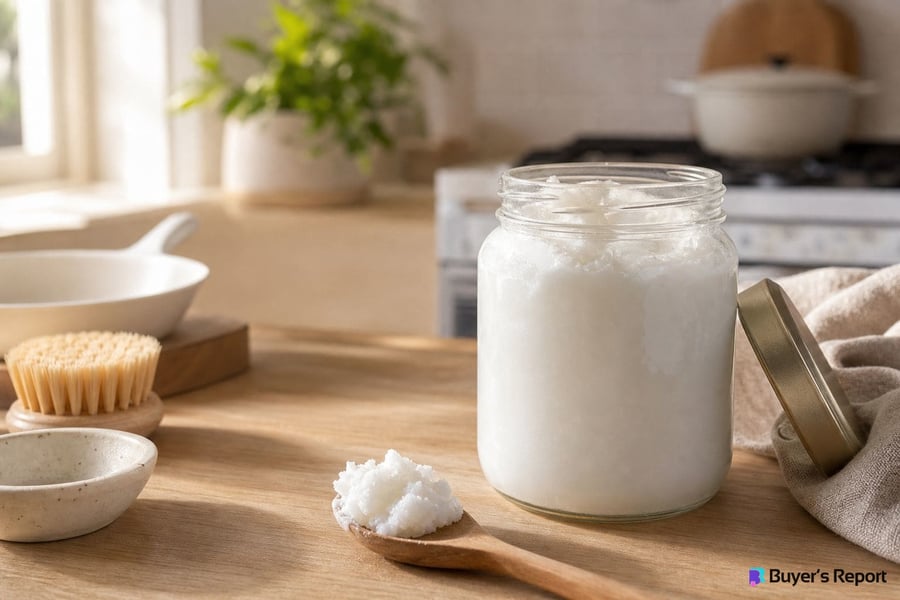
- Texture Changes - Coconut oil solidifies below approximately 76°F (24°C) and melts above that threshold. This is normal and doesn't indicate spoilage. If your oil smells sour or rancid, discard it.
- Allergen Consideration - Although coconut is often referred to as a tree nut in everyday language, the FDA does not classify it as a tree nut for major allergen labeling purposes. Allergic reactions to coconut are uncommon but can occur in some individuals. If you have known food allergies or sensitivities, it may be advisable to consult a healthcare provider before use. Cross-contamination can also vary depending on how and where the oil is processed, so reviewing product labels is recommended if allergen exposure is a concern.
Bottom Line
Coconut oil is one of the more genuinely versatile pantry and personal-care staples you can buy — but only if you match the type to your actual needs. For high-heat cooking, a refined oil's higher smoke point is the practical choice. For raw culinary uses, baking, or topical application, a cold-pressed virgin oil gives you better flavor and a richer feel. Fractionated oil earns its place if you need a permanently liquid option for skin or hair. Whatever type you buy, focus on verifiable indicators — certified organic, cold-pressed or expeller-pressed extraction, named country of origin, and third-party testing — rather than unregulated terms like "pure" or "natural." Get those basics right, and you'll have a product that earns its spot in both your kitchen and your cabinet.

 Viva Naturals
 Nutricost
 Seven Minerals
 Handcrafted Blends