Collagen is a vital protein in our bodies that supports skin elasticity, joint health, and overall vitality. With a variety of collagen supplements available, it can be challenging to choose the right one. BuyersReport's experts have broken down the features, & benefits of the top-rated, most effective collagen supplements, so you can make an informed choice – our comprehensive review can help you find the best supplement for your needs.
 ForestLeaf
 BioTrust
 NUTRAHARMONY
 Viva Naturals
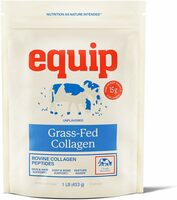 equip
equip
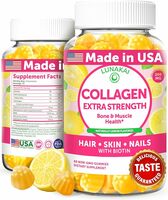 Lunakai
ForestLeaf
Lunakai
ForestLeaf

Collagen supplements and powders may feel like a trend that everyone is talking about, and you may be wondering what this product is and if it actually works. Collagen is the most abundant protein in the human body and a key building block of connective tissues, including skin, joints, tendons, ligaments, bones, and cartilage. The body naturally produces collagen, but production begins to slow as early as our mid-20s and continues to decline with age, stress, sun exposure, and certain lifestyle factors. As a result, collagen supplements and collagen powders have become increasingly popular among adults looking to boost skin health, joint function, and overall structural integrity from the inside out by taking collagen supplements.
With a wide range of collagen products on the market, varying in source, type, form, and added ingredients, it can be challenging to determine which option is best suited to your goals. Understanding how collagen works in the body, who may benefit most, and what to look for on a supplement label can help you choose a product that aligns with your wellness needs and lifestyle.
Collagen supplements are commonly used by adults who want to support skin elasticity, joint comfort, hair and nail strength, and connective tissue health. While collagen is often associated with beauty and anti-aging, its role extends far beyond appearance and plays a critical part in structural support throughout the body.
Collagen may be especially beneficial for people who:
Active individuals often use collagen supplements to support tendons, ligaments, and joints that experience repetitive strain. Older adults may turn to collagen as part of a broader approach to maintaining mobility, skin integrity, and overall resilience. Collagen is also commonly used by people focused on preventative wellness, aiming to support the body’s structural systems before more noticeable changes occur.
While collagen supplements are not intended to replace a balanced diet or medical treatment, they are frequently incorporated into long-term wellness routines that emphasize gradual, supportive benefits rather than immediate results.
Collagen functions as a structural protein, providing strength and support to tissues throughout the body. It forms a flexible framework that helps skin maintain firmness, joints move smoothly, and connective tissues withstand daily stress. Collagen fibers work in conjunction with elastin and hyaluronic acid to provide skin with its elasticity and help joints absorb impact during movement.
As collagen production declines, the body’s ability to repair and maintain these tissues diminishes. Skin may lose elasticity, joints may feel less cushioned, and connective tissues may become more prone to strain. Collagen supplements provide amino acids—such as glycine, proline, and hydroxyproline—that the body uses as raw materials for collagen synthesis.
Unlike topical skincare products, which act on the surface, collagen supplements work internally. They are digested and broken down into peptides and amino acids, which the body then uses where needed. This process takes time, which is why collagen supplementation is typically approached as a long-term strategy rather than a quick fix.
When taken consistently and as directed, collagen supplements may offer a variety of benefits related to structural health and appearance.
Collagen is widely used to support skin firmness, elasticity, and moisture retention, as collagen loss is associated with aging skin. Many users take collagen powder or capsules to help improve the appearance of fine lines and promote smoother-looking skin over time.
Collagen plays a role in maintaining cartilage, tendons, and ligaments. Supplementation may help support joint comfort and flexibility, particularly for people who experience stiffness during daily movement or after physical activity.
Some people use collagen supplements to support stronger nails and healthier-looking hair. While results vary, this is a common reason collagen has gained popularity in beauty-focused wellness routines.
Collagen contributes to bone structure and may help support bone strength as part of a comprehensive approach that includes calcium, vitamin D, and weight-bearing exercise.
Collagen supplements are typically considered gentle and suitable for long-term use when taken as directed, which adds to their appeal, with typically no digestive side effects.
Not all collagen supplements are the same. The type and source of collagen can influence how well it dissolves, how easily it’s absorbed, and which areas of the body it may best support. Understanding these differences can help you select a collagen product that aligns with your specific goals.
Type I collagen is the most abundant form in the body and is primarily associated with skin, hair, nails, bones, and tendons. Type III collagen often works alongside Type I and is found in skin, blood vessels, and connective tissue. Many collagen supplements contain a combination of Types I and III, making them popular for skin and beauty-focused benefits.
Type II collagen is primarily found in cartilage and is often included in supplements designed for joint support. While less common in standard collagen powders, it may be featured in specialized joint formulas.
Hydrolyzed collagen, also known as collagen peptides, is the most common form used in supplements. It has been broken down into smaller peptides, making it easier to dissolve in liquids and more readily absorbed by the body. Collagen peptides are often flavorless and mix easily into coffee, smoothies, or water.
Some supplements contain undenatured collagen, which is less processed and used in smaller doses. This form is more commonly associated with joint-focused products rather than general collagen powders.
Bioavailability simply means how efficiently a supplement is absorbed and used by the body. Collagen supplements are digested into amino acids and peptides, which the body then repurposes for collagen production where it is needed. Hydrolyzed collagen peptides are considered highly bioavailable due to their smaller molecular size.
Absorption can be influenced by factors such as formulation quality, overall diet, and consistency of use. Some collagen products include vitamin C, which plays a role in the body’s natural collagen synthesis process. While collagen can be taken at any time of day, regular daily intake is more important than timing. Choosing a high-quality collagen supplement and using it consistently over several weeks is important to be able to gauge true results.
Many collagen supplements include additional ingredients designed to support skin, joint, or connective tissue health more broadly. These combination formulas can offer convenience and expanded benefits, though ingredient quality and dosage still matter.
Vitamin C is commonly added to collagen supplements because it supports collagen synthesis in the body. This combination may appeal to consumers looking for comprehensive skin and connective tissue support.
Hyaluronic acid helps retain moisture in skin and joints. When paired with collagen, it is often marketed for skin hydration and joint lubrication benefits.
Some collagen formulas include biotin, zinc, or silica, which are frequently associated with hair, skin, and nail support. These blends are often positioned as beauty-from-within supplements.
Collagen supplements aimed at joint health may include ingredients such as glucosamine, chondroitin, or MSM to provide broader connective tissue support.
Combination formulas can be convenient, but it’s important to review labels carefully to ensure ingredients are in the proper amounts and are appropriate for your goals.
Choosing a high-quality collagen supplement is essential for safety and effectiveness. Transparent labeling and reputable manufacturing practices matter.
When shopping, look for:
Collagen supplements are typically sourced from bovine (cow), marine (fish), or poultry sources. Marine collagen is often favored by pescatarians, while bovine collagen is widely used and rich in Types I and III collagen. Vegan “collagen boosters” are also available, though they do not contain collagen itself and instead provide nutrients that support the body’s own collagen production.
With so many collagen supplements available, selecting the right one often comes down to your personal health goals, lifestyle, and preferences. Factors such as the type of collagen, added ingredients, and supplement format can all influence how well a product fits into your routine and what benefits it may support. Taking a moment to match the formula to your specific needs can make collagen supplementation more effective and easier to maintain long-term.
Collagen powders with Types I and III collagen, often paired with vitamin C or hyaluronic acid, may be well-suited for skin-focused goals.
Formulas that include collagen alongside joint-support ingredients may appeal to active individuals or those managing stiffness.
Unflavored collagen powder that dissolves easily into beverages can make daily use simpler and more sustainable.
Collagen is available as powders, capsules, tablets, and ready-to-drink liquids. Powders are popular due to their versatility and higher dose potential, while capsules may appeal to those who prefer simplicity.
Collagen supplements are not a magic solution, and results can vary from person to person. Benefits typically develop gradually and may take several weeks of consistent use to notice. Some individuals may not experience significant changes or changes that are markedly visible.
Mild digestive discomfort, such as bloating or fullness, can occur, particularly at higher doses. People with food allergies should check collagen sources carefully. As with any supplement, individuals who are pregnant, nursing, or managing medical conditions should consult a healthcare provider before starting collagen supplementation.
Collagen supplements have become a staple in modern wellness routines, offering a convenient way to support skin elasticity, joint comfort, and connective tissue health from within. While collagen is not a quick fix, regular use may help support the body’s structural systems as part of a balanced, long-term approach to health and aging.
With many collagen powders and supplements available, understanding product differences and quality indicators can help you make a confident, informed choice. Selecting a collagen supplement that fits your goals, preferences, and lifestyle can make collagen a valuable addition to your daily wellness regimen for years to come.