Evening primrose supplements are known for hormone & skin health. BuyersReport's experts have broken down the features, & benefits of the top-rated, most effective options so you can make an informed choice – our comprehensive review can help you find the best evening primrose oil for your health needs.
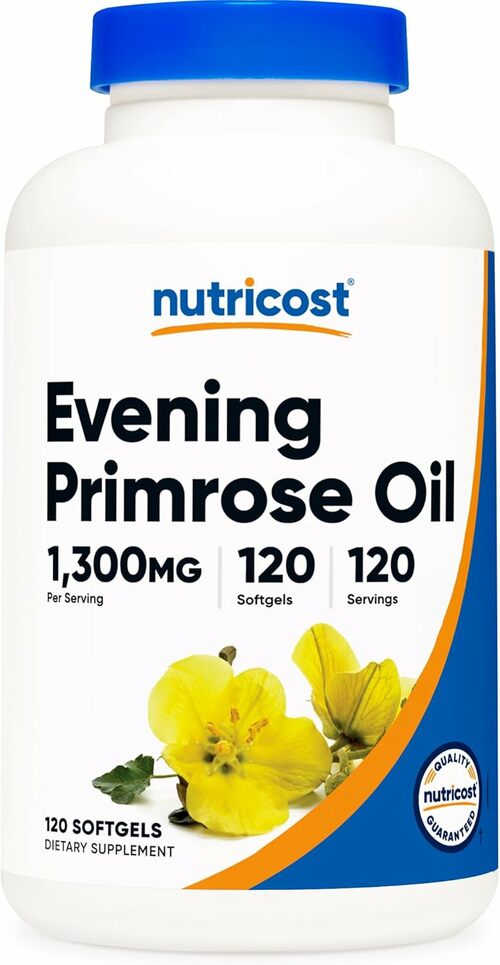
 Nutricost
 Micro Ingredients
 Nutricost
Nutricost
Nutricost
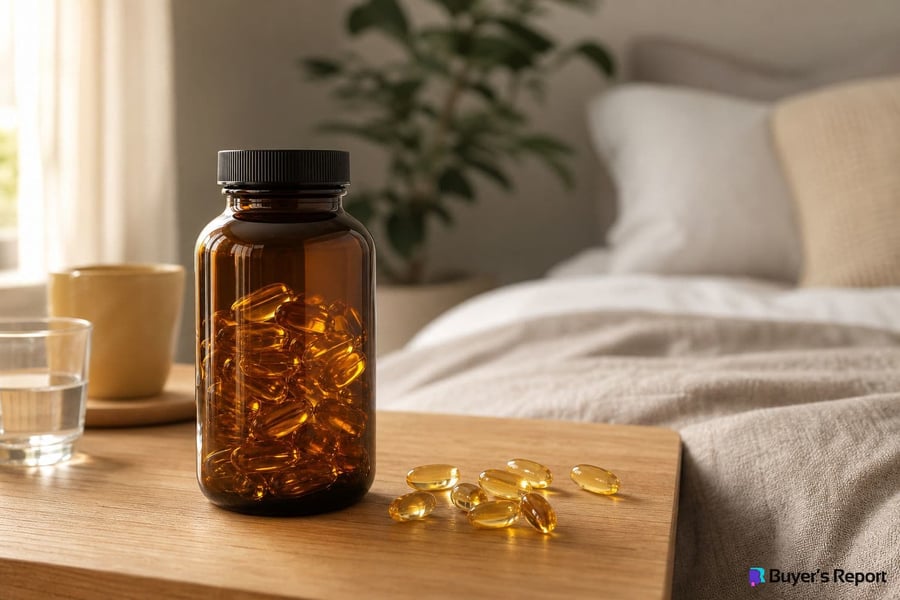
Evening primrose oil (EPO) is a seed oil supplement valued for its concentration of gamma-linolenic acid (GLA), an omega-6 fatty acid that the body uses to produce signaling compounds involved in inflammatory and hormonal pathways. It's most commonly taken by women looking to support hormonal balance, ease cyclical discomfort, or promote skin health — though the quality of products on the market varies considerably. This guide focuses on what actually separates a well-made EPO supplement from a poorly made one, so you can shop with realistic expectations.
Evening primrose oil is extracted from the seeds of the Oenothera biennis plant and is one of the richest plant sources of GLA, a fatty acid that many people don't get in meaningful amounts through diet alone. Once absorbed, GLA feeds into pathways that influence inflammatory and hormonal signaling. The total EPO dose on a label is essentially a vehicle — what you're really after is the GLA it contains, which is why label transparency on actual GLA milligrams matters far more than the headline EPO dose. It's worth remembering up front that EPO is a dietary supplement rather than a medication, and it isn't reviewed by the FDA as a treatment for any specific condition.
EPO appeals to a fairly specific set of buyers with overlapping interests in hormonal health, skin, and inflammatory balance. Here's who tends to seek it out and why.
GLA from EPO may play a role in inflammatory balance, skin barrier function, and hormonal comfort for some people, but responses differ widely and outcomes aren't predictable. Here's a realistic look at the territory.
Because individual responses vary so much, allow a consistent 8–12 week trial period before drawing conclusions about whether EPO is doing anything for you, and always speak with a medical professional before adding a new supplement to your routine.
Most EPO supplements look similar on the shelf, but form and formulation choices have real implications for quality.
The gap between a high-quality EPO supplement and a mediocre one is largely invisible from the outside of the bottle, which makes knowing what to look for on the label essential.
EPO has a meaningful safety profile that should inform your purchase decision, particularly if you take any medications or have certain health conditions. It's always worth talking with a healthcare professional before starting EPO — especially if you take any prescription medications — rather than treating it as a casual addition to your routine.
The most important interaction to flag is bleeding risk: EPO can meaningfully amplify the effects of anticoagulant and anti-platelet medications, as well as herbs and supplements with blood-thinning properties. For the same reason, it's generally advised to stop use at least two weeks before any planned surgery.
EPO is also a poor fit — or one that calls for particular caution and professional guidance — for people with bleeding disorders, epilepsy, schizophrenia, or hormone-sensitive cancers, and for anyone who is pregnant or breastfeeding. Common side effects, more likely at higher doses, include nausea, headache, and digestive upset. Because the oil is oxidation-sensitive, a rancid or poorly stored product can cause more GI discomfort than a fresh, properly packaged one — another reason freshness and packaging quality matter at the point of purchase.
A well-made evening primrose oil supplement comes down to three things: disclosed GLA content, clean extraction, and verified quality. If a label doesn't tell you exactly how many milligrams of GLA are in each serving, you're comparing marketing claims rather than actual potency. Prioritize cold-pressed, hexane-free options with third-party testing, oxidation-protective packaging, and a daily EPO dose that falls within the 1,000–3,000 mg range studied in research. Go in with calibrated expectations, give it a consistent 8–12 week trial before deciding whether it belongs in your long-term routine, and loop in a healthcare professional if you're managing any health conditions or taking medications.