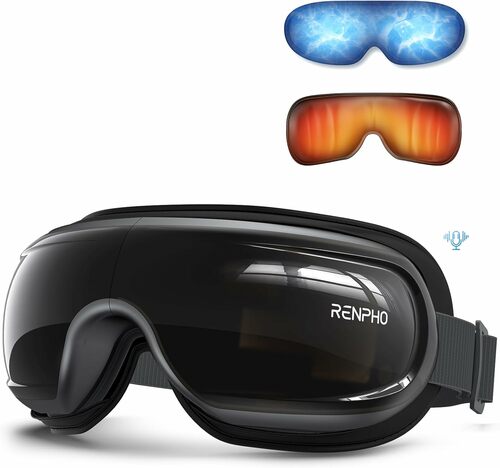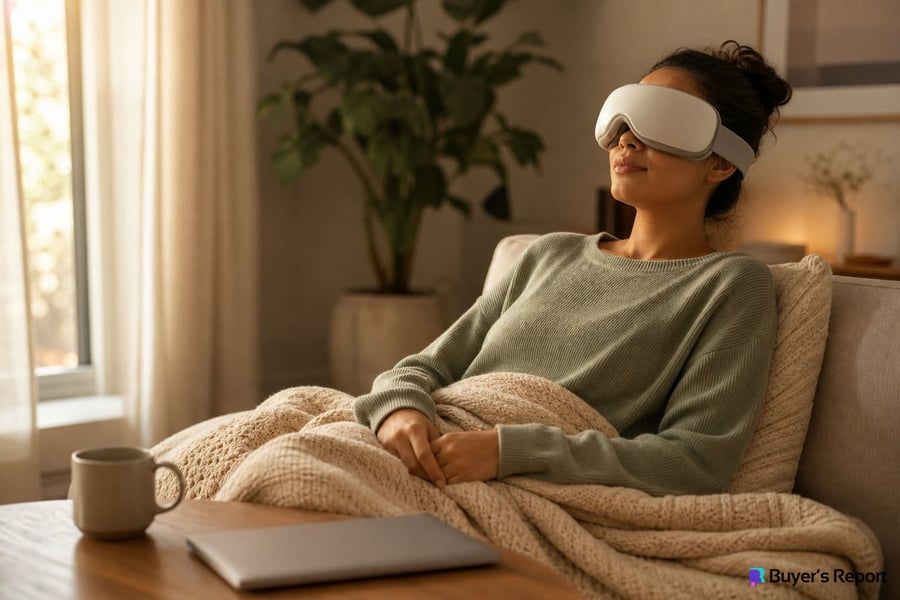
Staring at screens for hours, grinding through deadlines, or simply not sleeping well enough can leave your eyes feeling heavy, strained, and tense — and that tension often radiates outward into headaches and general fatigue. Eye massagers are wearable devices designed to deliver targeted relief through combinations of heat, gentle air compression, and vibration, giving your eyes and the surrounding muscles a chance to decompress. The category spans everything from simple heated masks to feature-rich goggle-style devices with multiple therapy modes, so knowing what to look for before you buy makes a real difference in whether you end up with something you actually reach for every day.
Who Should Consider an Eye Massager?
It's worth being upfront about what these devices are and aren't: eye massagers are wellness and relaxation products, not medical treatments, and they aren't intended to diagnose, treat, cure, or prevent any eye condition or disease. With that framing in mind, they can still be a practical purchase for a wide range of people who deal with everyday eye fatigue and tension. If any of the following describes you, a closer look at this category is worth your time.
- Daily screen users: Remote workers and office professionals who log six or more hours in front of monitors are among the most common buyers. The consistent muscle tension around the eyes and brow that builds up over a workday is exactly what these devices are designed to address during a short wind-down session.
- Tension headache sufferers: Many people find that warmth and gentle compression around the eye area helps ease the tightness that accompanies tension headaches. Results vary by individual — relief from eye strain, puffiness, or headaches is not guaranteed — but for occasional tension, an eye massager may offer meaningful comfort as part of a broader wind-down routine.
- People with eye puffiness or fatigue: Warmth and mild compression can temporarily improve the look and feel of tired, puffy eyes, particularly in the morning. Lasting changes to puffiness or dark circles aren't something any device in this category should be expected to deliver.
- Poor sleepers: Sitting quietly with a heated mask on for ten minutes before bed functions as a forced wind-down ritual, which many buyers fold into a nighttime relaxation routine.
- Frequent travelers: Compact, cordless eye massagers are popular carry-on items for long flights, making them a practical purchase if portability is a priority.
Types of Eye Massagers
The category is broader than it looks. Understanding the core variants upfront helps you narrow the field quickly, since different designs deliver very different experiences.
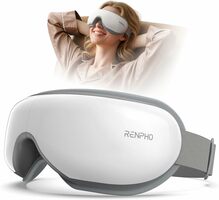
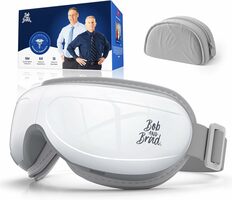
- Goggle-style compression masks: The most feature-rich option, using inflatable airbags to apply rhythmic pressure around the eye socket and temples, typically combined with heat and vibration. Best for buyers who want the most complete therapy experience and don't mind a bulkier form factor.
- Passive heated masks: Warmth only — no moving parts, no airbags, and minimal or no vibration. Lighter, quieter, and less expensive, making them a solid starting point if your main goal is relaxation rather than active massage.
- Vibration-only massagers: A smaller niche focused on oscillating stimulation without heat or compression. Useful for buyers who are heat-sensitive or who want a quicker, more targeted experience.
- Multi-modal devices with Bluetooth audio: Higher-end goggle-style masks sometimes include built-in speakers so you can pair guided meditation or music to the session. If a fully immersive wind-down routine is your goal, audio integration can meaningfully enhance the experience — but it also adds cost and complexity.
- Manual rollers and acupressure tools: Non-electric options that rely on manual pressure along the brow and under-eye area. The most portable and affordable entry point, but they require user effort and deliver a very different (and less consistent) result than powered devices.
Key Features to Look For
Once you've settled on a type, these are the specifications and design details that most directly affect how well the device works for your needs and how often you'll actually use it.
- Heat temperature range: Look for devices with an adjustable temperature range rather than a single fixed setting. A settable range — typically somewhere between 38°C and 42°C (100°F–108°F) — lets you find a warmth level that feels comfortable. Keep in mind that excessive heat or pressure near the eyes can cause discomfort or injury, so it's important to follow the manufacturer's guidelines for session duration and intensity. Fixed-heat devices are a gamble if you haven't tried the exact temperature before.
- Compression intensity levels: More adjustable compression levels mean you can start gentle and work up, which matters if you're pressure-sensitive or plan to use the device during a headache rather than just for prevention. A device with only one intensity setting may be too aggressive for some users and underwhelming for others.
- Battery life and charging: Most sessions run between ten and fifteen minutes, so raw runtime matters less than you'd expect — but if you're a traveler, look for at least 60 minutes of continuous use per charge and USB-C charging for easy top-ups on the go. Proprietary charging cables are an inconvenience worth avoiding.
- Noise level: Airbag inflation motors produce varying amounts of noise, and a loud device actively undermines the relaxation it's supposed to provide — especially if you're using it before sleep. Check for decibel ratings or buyer feedback on motor noise before committing.
- Ease of controls: You'll be operating this device with your eyes closed. Single-button cycling or clearly labeled, easy-to-locate controls are far more practical than multi-button interfaces that require you to peek at the device mid-session.
- Fit and adjustability: An adjustable headband and a nose bridge that accommodates different face depths matter more than they might seem. A mask that doesn't sit flush can let in light, reduce the effectiveness of airbag compression, and cause discomfort over even a short session.
Fit, Comfort, and Compatibility
Fit is one of the most overlooked factors in this category, and a poor fit can make an otherwise capable device nearly unusable. Before buying, consider how the design will work for your specific face shape and any accessories you typically wear.
- Headband adjustability: A wide adjustment range is especially important if the device will be shared or if you have a larger or smaller head than average. Look for a headband with multiple notches or a continuous slide adjustment rather than just small, medium, and large stops.
- Nose bridge depth: Goggle-style masks vary significantly in how deep the eye cavity is. A shallower cavity may press directly on the eyelids, which is uncomfortable and can interfere with the massage effect. Deeper cavities accommodate a wider range of users without contact on the eye itself.
- Glasses and contact wearers: Nearly all powered eye massagers require you to remove glasses before use. If you wear contacts, check whether the heat and pressure levels are appropriate — some contact lens wearers prefer to take their lenses out before a session as a precaution.
- Weight and padding: Heavier devices can cause neck strain or simply feel uncomfortable after a few minutes. Look for adequate foam or fabric padding on any surface that contacts the face, particularly around the nose and forehead.
Safety Features to Verify Before Buying
Because eye massagers operate near sensitive tissue, a few safety-related checks are worth making on the spec sheet before you purchase rather than after.
- Temperature auto-shutoff: Confirm the device has a built-in overheat or temperature-limiting mechanism. A device that self-limits or shuts off after a preset session duration is meaningfully safer than one that runs indefinitely at full heat.
- Session timer or auto-off: Most reputable devices include an automatic shutoff after ten to fifteen minutes. This protects against falling asleep mid-session with heat and compression active — a real scenario given that relaxation is the whole point.
- Regulatory markings: Look for CE, FCC, or equivalent regional safety certifications on the product listing. These indicate that the device has been tested to basic electrical safety standards, and their absence is a red flag.
A few health considerations are worth keeping in mind before you buy. Anyone with a pre-existing eye condition — including glaucoma, retinal detachment, recent eye surgery, or an eye injury — should talk to an eye care professional before using any eye massager. People with pacemakers or other implanted electronic medical devices should check with their physician before using any electrically powered massager near the head. And because an eye massager is a comfort device rather than a substitute for professional eye care or medical advice, persistent or worsening symptoms like ongoing eye strain or headaches are a reason to see a doctor or optometrist rather than lean harder on a wellness product.
Bottom Line
A well-chosen eye massager can become a genuinely useful part of a daily decompression routine, especially for screen-heavy professionals, occasional tension headache sufferers, and anyone who struggles to transition out of work mode before bed. The key is matching the therapy modalities to your actual needs — a heated mask may be all you need for relaxation, while a goggle-style compression device with multiple intensity levels makes more sense if you're chasing meaningful relief from daily eye fatigue. Prioritize adjustable heat, customizable compression, a fit that works for your face, and controls you can operate eyes-closed, and you'll be well-positioned to find a device that earns its place on your nightstand.

 RENPHO
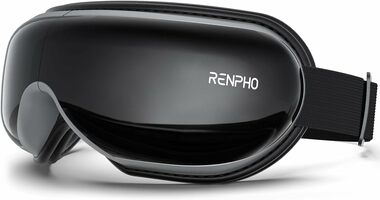 RENPHO
 RENPHO
 Bob and Brad
 Bob and Brad