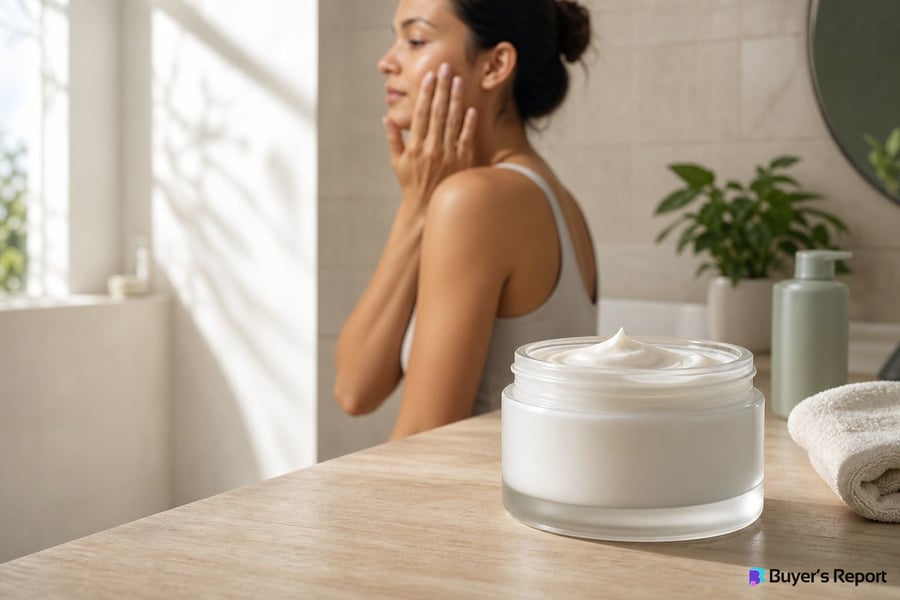
A good face moisturizer is one of the most foundational products in any skincare routine, working to maintain your skin's hydration, reinforce its natural protective barrier, and address a range of concerns — from chronic dryness and sensitivity to visible signs of aging. With hundreds of formulas on the market, from featherlight gels to rich balms, choosing the right one comes down to more than picking up whatever's on sale. This guide walks through how to match a moisturizer to your skin type, which ingredients are worth paying attention to, and what to look for on the label before you buy.
How a Face Moisturizer Works on the Skin
Moisturizers address water loss at the skin's surface through three mechanisms, and the best formulas combine all three in a balanced ratio. Humectants draw moisture into the skin, emollients fill gaps in the skin's surface to smooth and soften, and occlusives form a physical seal to slow water from evaporating. Understanding this trio helps you evaluate any formula you pick up — not just trust the marketing on the front of the jar.
- Humectants — Ingredients like hyaluronic acid, glycerin, and urea attract water from the environment and deeper skin layers to the surface. They're responsible for the immediate plumping effect you feel after applying a moisturizer to damp skin.
- Emollients — Fatty acids, squalane, and plant oils fill microscopic cracks in the skin barrier, leaving skin feeling soft and smooth. A formula heavy in emollients tends to feel richer and is especially useful for dry or compromised skin.
- Occlusives — Ingredients like petrolatum, shea butter, and dimethicone sit on top of the skin to physically slow transepidermal water loss. They're heaviest in balms and ointments, and lighter versions appear in most creams as well.
Who Should Use a Face Moisturizer — and Which Type
Almost everyone can benefit from daily moisturization, but the right formula depends on your skin type and primary concerns. A texture that's mismatched to your skin — say, a thick balm on oily skin — can cause more problems than it solves. Here’s how to think about fit before you buy, keeping in mind that results can vary based on individual skin type, condition, and consistency of use. What works well for one person may not be the best match for another, even within the same category.
- Dry or Very Dry Skin — Look for formulas rich in emollients and occlusives to support the barrier and slow moisture loss. Creams, balms, or ointments with ceramides, shea butter, or petrolatum tend to suit skin that feels tight or flaky.
- Oily or Acne-Prone Skin — A lightweight gel or oil-free lotion with a non-comedogenic label is a sensible starting point. Humectant-forward formulas with hyaluronic acid or niacinamide hydrate without adding heaviness, though individual responses to any formula will differ.
- Combination Skin — A medium-weight lotion applied uniformly works for many people, as does using a lighter formula on oilier zones and a richer one where skin runs dry. Flexibility in texture matters more here than any single formula.
- Sensitive or Reactive Skin — Fragrance-free, minimal-ingredient formulas reduce the chance of irritation. Prioritize barrier-supporting ingredients like ceramides and be cautious with formulas loaded with botanical extracts, which can be common irritants.
- Mature or Aging Skin — Look for formulas that layer humectants and emollients with targeted active ingredients such as peptides, niacinamide, or retinol if your skin tolerates it. A richer base texture tends to suit the drier, thinner skin that often accompanies aging, though no topical product can promise to eliminate wrinkles or deliver permanent anti-aging results.
Key Ingredients and What They Actually Do
The ingredient list is the most reliable part of any moisturizer's packaging. Front-of-label claims are marketing; the INCI list is where you'll find out what's actually in the formula and in what order. These are the active ingredients most worth understanding when comparing products.
- Ceramides — Lipids naturally present in your skin barrier. Moisturizers with ceramides may help support barrier function and reduce sensitivity, and can be particularly useful for dry or compromised skin. Look for them listed in the first half of the ingredient list.
- Hyaluronic Acid — One of the most effective humectants available, capable of holding many times its weight in water. Works best when applied to slightly damp skin. Some formulas include multiple molecular weights of HA, which may allow it to work at different skin depths.
- Niacinamide — A form of vitamin B3 that may support an even skin tone, minimize the appearance of pores, and improve barrier function over time. Generally well tolerated, including by sensitive skin, and pairs well with most other active ingredients.
- Retinol — A vitamin A derivative that may help reduce the visible signs of aging — fine lines, uneven texture, and dullness — with consistent use. Concentrations typically range from 0.025% to 1%; start low if you're new to it. Over-the-counter retinol is a cosmetic ingredient and is not the same as a prescription retinoid, so it shouldn't be treated as a substitute for one your clinician has recommended.
- Peptides — Short chains of amino acids that may signal the skin to support its collagen structure, potentially improving firmness and elasticity over time. Generally well tolerated and a useful addition for those who can't tolerate retinol.
- SPF Filters — Broad-spectrum SPF 30 or higher is the daily minimum recommended by most dermatologists for UV-driven photoaging. Moisturizers with SPF are classified as OTC drug products, meaning their sun protection claims are held to a regulatory standard that plain moisturizers are not.
Formulation Types: Matching Texture to Your Skin
The format of a moisturizer — its weight and base — affects how it feels, how quickly it absorbs, and how well it works for your skin type. This is often where buyers go wrong, choosing based on a favorite ingredient rather than whether the texture will actually suit them.
- Gel Moisturizers — Water-based and lightweight with minimal occlusive content. Often suited to oily, acne-prone, or combination skin in humid climates. They absorb quickly and rarely feel heavy, but may not provide enough barrier support for dry or mature skin.
- Lotions — A step up from gels, with higher emollient content but still fast-absorbing. A solid all-rounder for normal to combination skin and warm-weather months. They tend to layer well under SPF or makeup.
- Creams — The most widely available format, offering a balanced ratio of humectants, emollients, and light occlusives. Suitable for dry to normal skin year-round, and for most skin types in cold or dry climates where more barrier support is needed.
- Balms and Ointments — Heavily occlusive formulas often used on very dry, cracked, or sensitized skin. The high petrolatum or wax content creates a strong seal but can feel greasy — many people prefer them as a nighttime treatment rather than a daytime base.
- Tinted Moisturizers — Combine light hydration with a sheer wash of pigment. Useful for simplifying a routine, but check whether they contain SPF and confirm it's broad-spectrum if UV protection matters to you.
- Moisturizers with SPF — A practical daytime option that cuts a step from your routine. Look for broad-spectrum SPF 30 at minimum. SPF-containing moisturizers need to be reapplied throughout the day like any other sunscreen for continued UV protection — a single morning application isn't enough for extended outdoor exposure.
What to Look For When Buying
Once you've identified your skin type and ingredient priorities, a few label-reading habits will help you make a smarter purchase and avoid wasting money on formulas that won't deliver.
- Skin Type Match First — Texture and weight are the single biggest purchase decision. A strong formula in the wrong format for your skin type will underperform — prioritize fit before active ingredients.
- Fragrance-Free vs. Fragranced — Fragrance is one of the most common contact allergens in skincare. If you have sensitive, reactive, or barrier-compromised skin, fragrance-free formulas reduce irritation risk. "Unscented" is not the same as fragrance-free — check the ingredient list.
- Non-Comedogenic Claims — Worth looking for if you're oily or acne-prone, but the label isn't regulated or standardized. It reflects the manufacturer's intent, not a guaranteed outcome for every user, and no formula can promise it will never cause breakouts.
- Active Placement in the List — Ingredients are listed in descending order of concentration. A headline active listed near the end of a long formula is present at very low levels and may contribute little real benefit.
- Packaging for Actives — Retinol and vitamin C degrade with light and air exposure. Airless pumps or opaque tubes protect these actives better than open jars, which also introduce bacteria with every dip of a finger.
- Price-Per-Ounce Value — Compare cost relative to formula quality and the evidence behind key actives. An expensive moisturizer isn't automatically better, and affordable formulas often contain well-studied ingredients at effective concentrations.
Patch Testing, Irritation, and Safety
Even well-formulated moisturizers can cause reactions in some individuals, as sensitivity to specific ingredients is always possible with topical products. If irritation, redness, or breakouts occur, it may be advisable to discontinue use. Patch-test new formulas, especially those containing retinol or other potent actives, by applying a small amount to your inner arm or behind your ear for several days before using them on your full face. Retinol, in particular, can cause initial dryness, flaking, or sensitivity when you're first introducing it; persistent or severe irritation is a signal to stop and reassess.
Moisturizers are cosmetic products, not medicines — they aren't intended to diagnose, treat, cure, or prevent any skin disease, and they shouldn't be used in place of medical care such as prescription eczema therapy. If you're dealing with persistent skin concerns, severe dryness, or anything that looks like a medical condition, it's worth consulting a dermatologist rather than self-treating with over-the-counter products.
Bottom Line
The best face moisturizer for you is the one that matches your skin type, delivers the right balance of humectants, emollients, and occlusives for your needs, and contains active ingredients at meaningful concentrations for your specific concerns. Start with texture and skin type fit — get that right first, then layer in ingredients like ceramides, niacinamide, peptides, or retinol based on what you're trying to address. If you want daytime UV protection built in, look for a broad-spectrum SPF 30 or higher and reapply it throughout the day as you would any sunscreen. Keep your routine consistent, read the ingredient list rather than the front-label claims, and give any new formula at least four to six weeks before judging whether it's working.

 MAREE
MAREE
 Eight Saints
 Dr. Reju-All
 EASYDEW