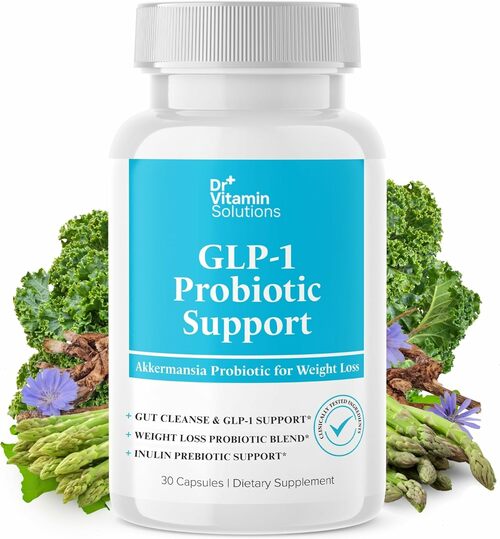
Boost your wellness routine with GLP-1 supplements designed to support healthy appetite control, balanced metabolism, and steady energy. BuyersReport's experts have broken down the features, & benefits of the top-rated, most effective options so you can make an informed choice – our comprehensive review can help you find the best GLP-1 supplement to complement your weight management goals.
 Dr. Vitamin Solutions
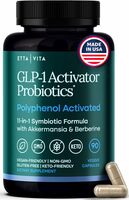 Etta Vita
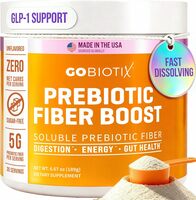 GoBiotix
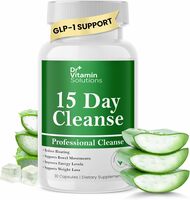 Dr. Vitamin Solutions
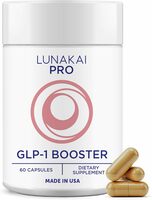 Lunakai
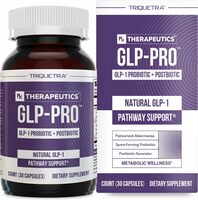 Triquetra
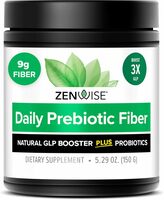 Zenwise
Dr. Vitamin Solutions
Zenwise
Dr. Vitamin Solutions
Interest in metabolic and appetite support has surged alongside the rise of prescription GLP-1 medications, and a growing category of dietary supplements now markets itself to adults seeking similar support without a prescription. These products typically feature ingredients like berberine, fiber compounds, or bitter melon extract — ingredients that may support gut signaling, insulin sensitivity, or satiety through their own mechanisms. This guide explains what GLP-1 supplements actually are, how to evaluate ingredients and labels, and what to look for when comparing options so you can make an informed purchase decision.
GLP-1, or glucagon-like peptide-1, is a hormone naturally produced in the gut that helps signal fullness, regulate insulin release, and support blood sugar balance. Prescription GLP-1 receptor agonists work by directly activating these receptors in the body, and are used in clinical settings to help manage conditions such as type 2 diabetes and, in some cases, weight management under medical supervision..
GLP-1 supplements, however, are a separate category. They fall under the dietary supplement framework rather than being approved drugs, and they cannot legally claim to diagnose, treat, cure, or prevent any disease. They also do not contain semaglutide, tirzepatide, or any prescription GLP-1 receptor agonist, nor can they claim to replicate or replace these medications.
Instead, these supplements may be formulated to support related processes such as appetite regulation, blood sugar balance, and gut hormone activity through ingredients that act via their own mechanisms.
This category is not a fit for everyone, but several groups may find value in exploring it as part of a broader wellness approach. Diet, exercise, and sleep have a stronger evidence base for metabolic health than any supplement on the market, and these products work best as complements to — not replacements for — healthy daily habits.
The category spans several distinct formula types and delivery formats, each with different strengths depending on your goals and lifestyle. Understanding what you're buying before comparing products makes evaluation much easier.
Label quality varies dramatically when comparing GLP-1 supplements, and the gap between a well-formulated product and a poorly made one can be significant. These are the criteria that most directly distinguish better options from weaker ones.
GLP-1 supplements carry specific safety considerations that should factor heavily into your purchase decision. Berberine and similar ingredients may interact with diabetes medications and cause blood sugar to drop too low — a clinically meaningful risk worth taking seriously, not a routine footnote. Talk with a qualified healthcare provider before starting any product in this category, especially if you take diabetes medications or other blood-sugar-lowering drugs.
Fiber-based formulas are generally better tolerated but can cause bloating or digestive discomfort, particularly at high doses or when introduced too quickly. Anyone who is pregnant, nursing, or managing a chronic condition should speak with a physician before adding any new product to their routine.
GLP-1 supplements occupy a real but clearly bounded space in the wellness market — they may support appetite regulation, blood sugar balance, or satiety through ingredients with their own documented mechanisms, but they are not medications and should never be evaluated as if they were. When shopping, prioritize full label transparency, third-party testing certification, and ingredients backed by human clinical data at appropriate doses. Avoid any product that implies equivalence to prescription therapy or makes outcome guarantees. The strongest candidates in this category are honest about what they are, rigorous about quality standards, and realistic about what supplementation alone can achieve.