Glucosamine is a popular supplement that many people take to support joint health and reduce inflammation. As a naturally occurring compound found in cartilage, it is often used to help alleviate symptoms of osteoarthritis and other joint-related issues. With numerous options available in the market, it can be challenging to decide which glucosamine supplement is best for you. BuyersReport's experts have broken down the features, & benefits of the top-rated, most effective, glucosamine supplements, so you can make an informed choice – our comprehensive review can help you find the best option for your needs.
 Luma Nutrition
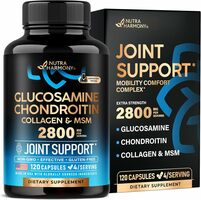 NUTRAHARMONY
 Nutricost
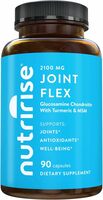 NutriRise
Luma Nutrition
NutriRise
Luma Nutrition

Joint health plays a crucial role in how we move, exercise, and function in everyday life, yet it’s often taken for granted until you feel discomfort. Whether it’s stiffness when getting out of bed, soreness after physical activity, or chronic aches that develop over time, joint issues are extremely common among adults of all ages. While some degree of joint wear is a normal part of aging and activity, ongoing pain and limited mobility don’t have to be accepted as your lot in life.
Glucosamine is one of the most widely used dietary supplements for joint support. It is a naturally occurring compound found in cartilage, the connective tissue that cushions joints and allows bones to move smoothly against one another. As the body’s natural production of glucosamine declines with age, injury, or long-term joint stress, glucosamine supplements have become a popular option for people looking to support joint comfort, flexibility, and overall mobility.
With countless glucosamine supplements on the market available in many different forms, doses, and combinations, it can be difficult to know which product is best for your needs. Understanding how glucosamine works, who may benefit most, and what features to look for can help you make a more informed and confident buying decision.
Glucosamine supplements are commonly used by adults who want to support joint health, particularly those experiencing stiffness, discomfort, or reduced range of motion. While glucosamine is often associated with aging populations, many younger adults use it proactively or in response to physical strain.
Glucosamine may be especially beneficial for people who:
Athletes and active individuals often use glucosamine to help maintain joint resilience under repeated stress, while older adults may turn to it to help preserve mobility and independence. People who spend long hours walking, standing, or lifting may also find joint-support supplements helpful in managing everyday wear and tear.
While glucosamine is not intended to replace medical treatment or provide immediate relief, it is often used as part of a long-term wellness strategy focused on joint maintenance rather than immediate relief of pain.
Glucosamine plays an important role in the formation of glycosaminoglycans and proteoglycans—key components of cartilage and synovial fluid. Cartilage acts as a protective cushion between bones, while synovial fluid lubricates joints and allows for smooth, pain-free movement.
Over time, cartilage can break down due to aging, injury, inflammation, or mechanical stress. When cartilage deteriorates faster than it can be repaired, joints may become stiff, inflamed, or uncomfortable. Glucosamine supplementation is believed to support the body’s natural cartilage repair and maintenance processes by providing raw materials used in joint tissue production.
Unlike pain relievers, glucosamine does not block pain signals or reduce inflammation immediately. Instead, it works gradually and is typically used consistently over weeks or months. This slow, supportive approach is why glucosamine is often described as a structural joint supplement rather than a quick-acting solution.
When used consistently and as directed, glucosamine supplements may offer several benefits related to joint comfort and mobility.
Many users take glucosamine to help manage everyday joint discomfort, particularly in the knees, hips, shoulders, and hands. While individual results vary, this is the most common reason people choose glucosamine supplements.
Glucosamine contributes to the maintenance of cartilage, which can help joints absorb impact and reduce friction during movement. Supporting cartilage health may be especially important as natural repair processes slow with age.
By supporting joint structure and lubrication, glucosamine may help preserve ease of movement and flexibility, making daily activities more comfortable.
Some people view glucosamine as a preventative supplement, using it to help support joint health before significant discomfort develops.
When used as directed, glucosamine is often considered gentle enough for long-term use, making it a popular option among adults seeking ongoing joint support.
Not all glucosamine supplements are created equal, and the specific form used can influence how the supplement is absorbed, tolerated, and incorporated into joint health formulas. Understanding the differences between the main types of glucosamine can help you choose a product that aligns with your joint support goals, dietary preferences, and sensitivity considerations.
Glucosamine sulfate is the most widely researched and commonly recommended form for joint health. The sulfate component plays a role in maintaining cartilage structure, and many clinical studies evaluating glucosamine’s impact on joint comfort and mobility use this form. Because of its long history of use, glucosamine sulfate is often favored for long-term joint maintenance and is frequently found in both standalone supplements and comprehensive joint formulas.
Glucosamine HCl is a more concentrated form, delivering a higher percentage of glucosamine per serving. While it does not contain the sulfate component, it is often included in formulas alongside other joint-support ingredients such as MSM or chondroitin. This form is sometimes preferred by people looking for smaller capsule sizes or simpler formulations while still receiving a meaningful glucosamine dose.
N-acetyl glucosamine is a modified form that is less commonly used for joint-specific supplementation. It is more frequently found in products aimed at digestive or skin health, as it plays a role in glycoprotein production. For consumers focused primarily on cartilage support and joint comfort, NAG is generally not the first-choice option.
Bioavailability simply means how efficiently a supplement is absorbed and used by the body. Glucosamine is absorbed through the digestive tract and incorporated into joint tissues gradually, which is why consistent, long-term use is typically recommended. Absorption can vary based on factors such as formulation quality, dosage, and an individual’s digestive system. Taking glucosamine with meals may improve tolerance for some users. While no single form has been shown to absorb better for everyone, you’ll have better results by choosing a high-quality supplement and maintaining consistent daily use.
Understanding the different forms of glucosamine and how they are absorbed into your body can also make it easier to evaluate products that include additional joint-support ingredients. This is why many supplements combine glucosamine with compounds designed to support cartilage, lubrication, and connective tissue health.
Many glucosamine supplements are formulated with additional ingredients to provide more comprehensive joint support. These combination formulas are designed to address multiple aspects of joint health at once, including cartilage maintenance, joint lubrication, and connective tissue support. For consumers looking for a convenient, all-in-one joint supplement, glucosamine combination products can be an appealing option.
Chondroitin is one of the most common ingredients paired with glucosamine in joint health supplements. It helps cartilage retain water, which supports its ability to cushion joints and absorb impact. Products labeled as glucosamine with chondroitin are often marketed for long-term joint comfort and are commonly used by adults concerned with maintaining mobility, especially in weight-bearing joints like the knees and hips.
MSM is a sulfur-containing compound frequently included in glucosamine MSM formulas. Sulfur plays a role in connective tissue structure, and MSM is often added to support joint flexibility and overall comfort. Combination supplements that include both glucosamine and MSM are popular among active individuals and those managing ongoing joint stress.
Hyaluronic acid is a key component of synovial fluid, which lubricates joints and allows for smooth movement. When included in joint support supplements, it is intended to support joint lubrication and ease of motion, particularly for individuals experiencing stiffness.
Some glucosamine joint formulas also include plant-based ingredients such as turmeric, boswellia, or ginger. These ingredients are commonly used to support a healthy inflammatory response and may appeal to consumers seeking a more holistic joint health supplement.
Combination formulas can offer broad joint support in a single product, though shoppers should still review ingredient amounts, potential sensitivities, and overall formulation quality to ensure the supplement aligns with their specific joint health needs.
Evaluating the quality of a supplement is just as important as choosing the right formulation. High-quality glucosamine supplements clearly disclose ingredient sources, dosages, and manufacturing standards.
When shopping, look for:
Many glucosamine products are derived from shellfish, so individuals with shellfish allergies should seek shellfish-free or synthetic alternatives. Vegetarian and vegan options are increasingly available.
A standard glucosamine sulfate supplement taken consistently may be sufficient for general joint maintenance.
People who place heavy demands on their joints may benefit from combination formulas that include MSM or chondroitin.
Lower-dose or single-ingredient formulas can be a good starting point for those prone to digestive upset.
Glucosamine is available as capsules, tablets, powders, and liquids. Choosing a format that fits your routine increases the likelihood of consistent use.
Glucosamine does not work for everyone, and results are often gradual. It may take several weeks of daily use before noticeable changes occur, and some individuals may not experience meaningful benefits, so be mindful of thinking of glucosamine as a quick fix.
Mild side effects such as bloating or digestive discomfort can occur. People with diabetes, shellfish allergies, or those taking medications should consult a healthcare provider before starting glucosamine.
Product quality can vary widely, making brand reputation and transparency especially important.
Glucosamine is typically taken daily and evaluated after two to three months to assess how effective it is. Some people continue long-term if they find it helpful, while others use it intermittently based on activity levels or symptoms.
Consistency is more important than timing, and taking glucosamine with meals may improve how your body tolerates it.
Glucosamine is one of the most popular supplements for joint health on the market, offering a non-invasive option for adults looking for joint comfort, flexibility, and long-term mobility. While it is not a fast-acting solution, consistent use may help maintain joint function as part of an overall wellness approach.
With many formulations available, understanding how glucosamine works and how products differ can help you make a more informed decision. Choosing a high-quality supplement that fits your lifestyle and health goals can make glucosamine a practical tool for supporting joint health and everyday movement well into your golden years.