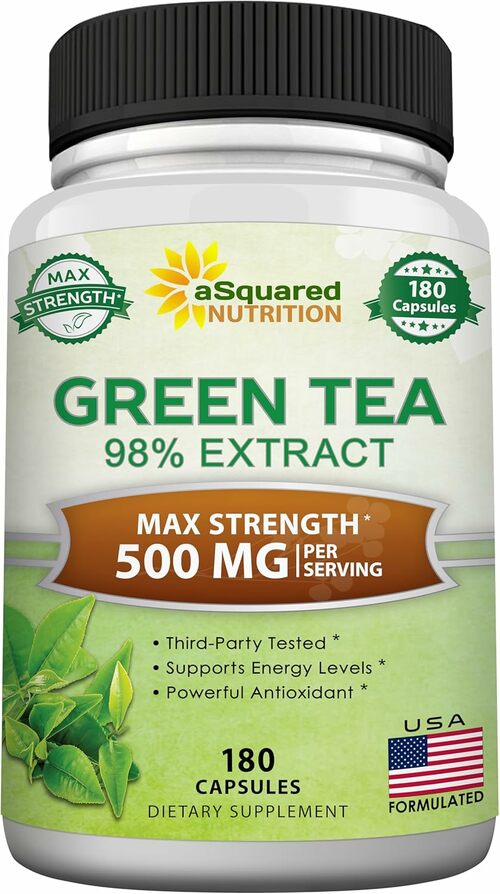
Green tea supplements offer a concentrated way to get the beneficial plant compounds found in brewed green tea — particularly a catechin called EGCG (epigallocatechin gallate) — without drinking multiple cups a day. Adults take them for a range of reasons, from potential antioxidant and cardiovascular support to complementing a healthy diet and exercise routine for metabolic wellness. Because potency, purity, and caffeine content vary widely across products, knowing what to look for on the label makes a meaningful difference in what you actually get. This guide covers the key buying criteria — EGCG standardization, caffeine profile, third-party testing, and safety considerations — so you can choose a product that fits your goals and health situation.
How Green Tea Extract Works
The active compounds in green tea extract are polyphenols — specifically a family of antioxidants called catechins, of which EGCG is the most potent and most studied. EGCG is thought to neutralize free radicals, support healthy inflammatory responses, and interact with metabolic pathways involved in fat oxidation and cardiovascular function. The extract is essentially a concentrated form of what's naturally present in green tea leaves, with the ratio of catechins amplified well beyond what a single cup of tea delivers. Caffeine is also naturally present in most extracts and contributes to any energy or metabolic effects you might notice.
Who Should Consider Green Tea Supplements?
Green tea supplements appeal to a fairly broad range of health-conscious adults, but a few specific goals and situations make them a particularly relevant consideration.
- Antioxidant Support Seekers: Adults looking to increase their intake of plant-based antioxidants — particularly those who don't drink tea regularly — may find a standardized green tea extract a practical daily option.
- Metabolic Wellness Goals: People who are already eating well and exercising sometimes use green tea extract as complementary support for metabolic health. Results vary significantly between individuals, and any weight-related effects observed in studies are modest and not guaranteed.
- Cardiovascular Health Focus: Those interested in supporting healthy circulation as part of a broader lifestyle approach often look to EGCG for its antioxidant properties.
- Caffeine-Sensitive Individuals: People who want the catechin profile without much stimulant effect have decaffeinated extract options available — though these still may contain residual caffeine and warrant careful label review.
- Fitness-Focused Users: Active adults who stack supplements for pre-workout energy or fat oxidation support sometimes include caffeinated green tea extract. Avoid stacking multiple catechin or stimulant sources at once without professional guidance, since the combined load can amplify both desired effects and side effects.
Standardization and Label Transparency
This is the single most important thing to evaluate when comparing green tea supplements. A label that simply says "green tea extract 500mg" tells you almost nothing useful — what matters is how much of that extract is actually EGCG, and how much total catechins and polyphenols it contains. Look for a label that explicitly states both the percentage standardization and the absolute milligram amount of EGCG per serving; anything less makes it hard to compare products or know what you're actually taking.
- EGCG Percentage: Aim for at least 45–50% EGCG standardization. A 500mg extract at 50% EGCG delivers 250mg of EGCG per capsule — a meaningful dose — while the same 500mg at an unlisted or low percentage may deliver far less.
- Total Catechin Disclosure: A quality label also lists total catechin or total polyphenol content as a percentage. This gives you a fuller picture of antioxidant potency beyond EGCG alone.
- No Proprietary Blends: Avoid products that lump green tea extract into a proprietary blend with undisclosed individual doses. If you can't see exactly how much EGCG you're getting, you can't make an informed choice or stay within safe daily limits.
- Extraction Method: Water-based extraction is generally preferred over solvent-based processes for purity reasons. Some brands disclose this; if the label is silent and purity matters to you, look for third-party testing as a proxy.
Caffeinated vs. Decaffeinated
Caffeine content in green tea supplements ranges from near-zero in decaf versions to 100mg or more per serving in full-spectrum caffeinated extracts. Caffeine content varies meaningfully by product and can cause adverse effects in sensitive individuals, so read labels carefully — including the residual caffeine that remains in products labeled "decaffeinated," which is not the same as caffeine-free. Some decaf products still retain 5–15mg per serving after processing.
- Caffeinated Extracts: These more closely mirror the profile of brewed green tea and may be preferred by fitness-focused users seeking a mild energy effect alongside catechin support. The exact milligram amount should be clearly stated on the label — if it isn't, that's a transparency red flag.
- Decaffeinated Extracts: A better fit for caffeine-sensitive individuals, evening use, or anyone already consuming caffeine from coffee or pre-workouts. Check whether the label specifies residual caffeine levels.
- Stimulant Stacking: Combining multiple catechin or stimulant sources at once is best avoided without professional guidance, as it can intensify side effects like elevated heart rate or anxiety.
What to Look for When Buying
Beyond standardization and caffeine, several other quality and formulation factors separate a well-made supplement from a mediocre one. These criteria directly affect whether you're getting a safe, well-formulated, and fairly priced product.
- Third-Party Testing: Look for certification from an independent testing body that verifies potency, purity, and absence of contaminants such as heavy metals and pesticides. This matters especially for plant-based extracts, which can vary widely in quality depending on source and manufacturing.
- Serving Count and Daily Dose: Some products require two or three capsules to reach the stated daily EGCG amount. Add up total daily EGCG across all servings — and keep it within roughly 800mg per day, in line with EFSA guidance — rather than looking only at the per-capsule figure.
- Absorption Enhancers: Some formulas include piperine (from black pepper) or use phytosome and liposomal delivery systems intended to improve bioavailability. These additions may affect how much EGCG your body actually absorbs and can justify a higher price point if the formulation is well documented.
- Fillers and Additives: Cleaner formulas with minimal binders, artificial colors, and unnecessary fillers are generally preferable, particularly for daily long-term use.
- Iron Interaction Awareness: EGCG may interfere with iron absorption, so avoid taking green tea supplements close in time to iron supplements or iron-rich meals if iron status is a concern for you.
Safety, Side Effects, and Considerations
Green tea supplements are dietary supplements, not FDA-approved drugs, and they aren't intended to diagnose, treat, cure, or prevent any disease. They are generally well tolerated by most healthy adults when used as directed, but no supplement is risk-free at any dose, and there are meaningful safety considerations every buyer should understand.
- Liver Safety High-dose EGCG supplements have been associated with rare but documented cases of liver injury. Stay within recommended daily limits — no more than roughly 800mg of EGCG per day, per EFSA guidance — and don't exceed label directions in pursuit of faster results.
- Take With Food Taking green tea extract on an empty stomach can increase the risk of nausea and stomach upset and may also raise hepatotoxicity risk. Taking it with food is a simple step that meaningfully reduces both concerns.
- When to Talk to a Clinician Check with a healthcare professional before starting a green tea supplement if you have a liver condition, take any medications (including blood thinners or stimulants), or are pregnant or breastfeeding. This is a real step worth taking, not a box to tick.
- Realistic Expectations Individual responses vary, and any weight or metabolic effects associated with EGCG in research are modest rather than guaranteed. A supplement works best alongside — not in place of — a healthy diet and active lifestyle, and it isn't a substitute for prescription treatments.
Bottom Line
A well-chosen green tea supplement can be a practical way to support antioxidant intake and overall wellness, but the gap between a high-quality product and a low-transparency one comes down almost entirely to the label. Prioritize clear EGCG milligram disclosure, at least 45–50% standardization, honest caffeine reporting, and third-party testing for purity. Match the caffeine profile to your sensitivity and daily intake, keep total EGCG within safe daily limits, and take it with food. Do that, and you're in a strong position to make a purchase you can feel confident about.

 aSquared
 Zazzee
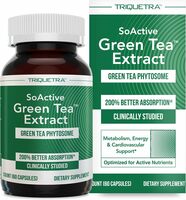 Triquetra