A good hair conditioner does more than soften your hair—it helps restore moisture, reduce frizz, and improve manageability after every wash. Whether your hair is dry, damaged, color-treated, or fine, the right conditioner can leave it feeling healthier, smoother, and easier to style. BuyersReport's experts have broken down the features and benefits of our top hair conditioner picks so you can make an informed choice – our comprehensive review can help you find the best hair conditioner for softer, healthier-looking hair.
 MAREE
MAREE
 New York Biology
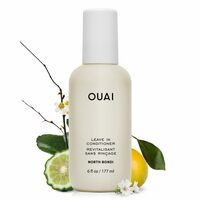 OUAI
OUAI
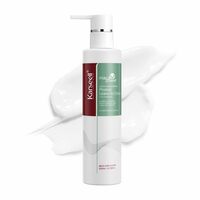 Karseell
MAREE
Karseell
MAREE
Healthy, shiny hair is often associated with genetics, good fortune, or expensive salon treatments. But in reality, much of what determines the look and feel of your hair comes down to your everyday hair care routine. While shampoo tends to get most of the attention, hair conditioner plays an equally important role in maintaining long-term hair health. Without proper conditioning, hair can become dry, brittle, dull, and prone to breakage, no matter how high-quality your shampoo is.
Hair conditioners are designed to replenish moisture, smooth the hair cuticle, protect against damage, and improve overall manageability. Whether your hair is straight, curly, color-treated, or chemically processed, choosing the right conditioner for your hair type can help restore balance and keep strands looking and feeling their best. However, with so many formulas on the market—ranging from lightweight daily conditioners to deep conditioning treatments—it can be difficult to know which option is best for your particular hair needs.
Understanding how hair conditioners work, who they’re best suited for, and what features to look for can make the buying process far less overwhelming. With the right information, it becomes easier to select a conditioner that supports healthier, more manageable hair over time.
In short: almost everyone. Hair conditioner isn’t a luxury product just for people with damaged or chemically treated hair—it’s a key part of basic hair care for most people. Shampoo cleanses the scalp and removes oil, dirt, and product buildup; however, in doing so, it can also strip away the natural oils that protect and soften the hair shaft. Conditioner helps restore that lost moisture, smooth the cuticle, and support hair’s natural moisture balance after shampooing.
Conditioner is especially important for people who:
Even those with fine or oily hair can benefit from using a hair conditioner when you choose the right formula. Lightweight or volumizing conditioners can provide hydration without weighing your hair down. Applying conditioner mainly to the mid-lengths and ends helps prevent greasy roots.
From children to seniors, and across all hair textures, conditioner plays an important role in protecting hair from daily stressors and supporting long-term hair health.
Each strand of hair is covered by a protective outer layer known as the cuticle. When hair is healthy, the cuticle lies flat, allowing light to reflect evenly and giving hair a smooth, shiny appearance. Daily wear and tear, including frequent washing, brushing, styling with heat, and environmental exposure, can lift or damage the cuticle, making hair appear dull and frizzy.
Hair conditioners work by coating the hair shaft with moisturizing and smoothing ingredients that help flatten the cuticle. Many formulas also contain conditioning agents that reduce static, improve texture, and make hair easier to detangle. This not only improves the appearance of hair but also helps prevent breakage caused by brushing or styling.
Some conditioners also include oils, proteins, or strengthening ingredients that temporarily reinforce weakened areas of the hair, helping strands feel stronger, smoother, and more resilient with regular use.
Using the right conditioner consistently can offer a wide range of benefits for both the appearance and overall health of your hair. While results vary based on hair type and formulation, common benefits of hair conditioning include:
One of the main purposes of hair conditioner is to replace moisture lost during washing and styling. Well-hydrated hair feels softer, looks shinier, and is less prone to dryness and split ends.
By smoothing the hair cuticle, conditioners help control frizz caused by humidity, static, and dryness. This benefit is especially noticeable for curly, wavy, or coarse hair types.
Conditioners add slip to the hair, making it easier to comb through wet strands without pulling or breakage—an important factor in preventing long-term hair damage.
A smoother cuticle allows hair to reflect light more evenly, resulting in shinier, healthier-looking hair.
Many conditioners help protect hair from heat styling, environmental stress, and mechanical damage caused by brushing or daily styling routines.
Not all hair conditioners are the same, and understanding the different types can help you choose the best option for your routine.
This is the most common type of conditioner, and what most people think of when they consider conditioners. They are designed for regular use after shampooing. Applied to wet hair and rinsed out after a short time, rinse-out conditioners provide daily hydration and improved manageability.
Leave-in conditioners are lightweight formulas that remain in the hair after washing. They provide ongoing moisture, detangling support, and frizz control throughout the day. These are usually best for curly, damaged, or frizzy hair.
Deep conditioners and hair masks are intensive treatments typically used weekly or as needed. They penetrate more deeply into the hair and are especially helpful for dry, damaged, or chemically treated hair.
Often called co-washes, cleansing conditioners gently clean hair without traditional shampoo. They’re often used by people with curly or textured hair who prefer a more moisture-focused approach.
While marketing claims can be helpful, the ingredient list on a hair conditioner often gives the clearest insight into how a formula will perform. Most conditioners rely on a blend of moisturizing, smoothing, and strengthening ingredients that work together to improve hair’s softness, shine, and manageability.
Moisturizing ingredients such as glycerin, aloe vera, panthenol (provitamin B5), and hyaluronic acid help draw moisture into the hair and prevent dryness. These ingredients are especially beneficial for dry, coarse, or textured hair, as well as hair exposed to frequent heat styling or environmental stress.
Many conditioners also contain oils and butters—such as argan oil, coconut oil, jojoba oil, and shea butter—that help seal in moisture and smooth the hair cuticle. These ingredients reduce frizz, improve slip, and help protect hair from breakage. Richer oils are often found in conditioners for damaged hair, while lighter oils are better suited for fine hair.
Strengthening ingredients, including keratin, silk protein, and wheat protein, are commonly added to conditioners designed for weakened or color-treated hair. These ingredients can help hair feel smoother and more resilient, though moisture-focused formulas may be better for hair that already feels stiff or brittle.
Many conditioners also include smoothing agents that reduce tangles and static, making hair easier to detangle after washing. Some formulas rely on silicones, while others use plant-based alternatives. Both can be effective, depending on personal preference and hair type.
Selecting the right hair conditioner starts with understanding your hair’s natural texture, oil production, and any chemical or heat treatments it may be exposed to. Conditioner labels often include helpful cues that indicate who the formula is best suited for, and knowing which terms and ingredients to look for can help narrow down your options.
The goal for fine or oily hair is to add moisture without weighing hair down or causing buildup. Lightweight or volumizing conditioners are typically the best choice, as they provide hydration while maintaining lift and movement. On product labels, look for phrases such as “lightweight,” “volume,” “weightless moisture,” or “oil-free.” Ingredients like glycerin, panthenol, aloe vera, and lightweight oils such as jojoba oil are often good bets for this hair type. It can also be helpful to avoid very rich butters or heavy oils, which may leave fine hair feeling flat or greasy.
Dry or coarse hair generally benefits from richer, more emollient conditioners that focus on deep moisture and softness. These formulas help smooth the hair cuticle, reduce roughness, and improve manageability. Labels may highlight terms like “moisturizing,” “hydrating,” “nourishing,” or “repair.” Common ingredients in conditioners for dry hair include shea butter, coconut oil, argan oil, avocado oil, and glycerin. These ingredients help replenish moisture and protect hair from further dryness caused by heat styling or environmental exposure.
This hair type often requires extra hydration to maintain curl definition and control frizz. Deeply hydrating conditioners and formulas designed for curls help enhance natural texture while reducing dryness and tangling. Look for label wording such as “curl-enhancing,” “frizz control,” “moisture-rich,” or “for textured hair.” Ingredients like shea butter, aloe vera, coconut oil, and humectants that attract moisture are commonly found in conditioners formulated for curls. Many people with curly hair also prefer conditioners that provide plenty of slip to make detangling easier.
Hair that has been color-treated benefits from conditioners designed to protect color vibrancy while maintaining moisture and strength. These formulas help reduce fading caused by washing, heat styling, and sun exposure. On the bottle, look for phrases such as “color-safe,” “color-protecting,” “gentle,” or “for color-treated hair.” Ingredients like antioxidants, moisturizing agents, and proteins such as keratin, biotin, or amino acids are often included to help support hair that has been chemically processed. Avoiding harsh cleansing ingredients can also help preserve color over time.
While hair conditioners are generally safe and beneficial, using the wrong formula or applying too much can cause buildup, flatness, or greasiness. Applying conditioner primarily to the mid-lengths and ends, rather than the scalp, can help avoid heaviness.
Some people may also be sensitive to certain ingredients or fragrances. If irritation occurs, discontinuing use and consulting a professional is recommended.
Most people benefit from conditioning every time they shampoo, though frequency can vary based on hair type and lifestyle. Deep conditioners are typically used once a week or as needed, while leave-in conditioners may be applied daily or after washing.
Many shoppers now prioritize environmentally conscious hair care products. When evaluating conditioners, consider:
These factors can help minimize environmental impact while still supporting healthy hair.
Hair conditioner is an essential part of maintaining healthy, manageable hair, regardless of texture or style. By restoring moisture, smoothing the hair cuticle, and protecting against daily damage, the right conditioner can noticeably improve the look and feel of your hair over time.
With so many options available, understanding your hair’s needs—and knowing what to look for in a hair conditioner—can help you make a confident, informed decision. Whether you’re looking for lightweight hydration, deep conditioning, or frizz control, choosing the right formula can support long-term hair health and simplify your daily routine.