Inositol is a naturally occurring compound that plays a role in insulin signaling and cellular communication, and it has become one of the more researched supplements for PCOS, fertility, metabolic balance, and mood support. The catch is that "inositol" covers a family of related compounds, and the form you take — and how much — matters enormously depending on your goal. This guide walks you through the key formula decisions, label red flags, and quality markers so you can choose a product suited to your situation. Worth knowing up front: inositol supplements aren't FDA-approved drugs, they're not meant to diagnose, treat, cure, or prevent any condition, and individual response varies considerably from person to person.
Understanding Inositol Forms: Myo vs. D-Chiro and Why the Ratio Matters
Most inositol supplements contain one or both of two forms: myo-inositol (MI) and D-chiro-inositol (DCI). They serve overlapping but distinct roles in insulin signaling, and getting the ratio wrong for your goal is one of the most common buying mistakes. Pure myo-inositol is the most widely studied form overall, while the combination ratio between the two is what drives most of the PCOS-specific research.
- Pure Myo-Inositol: The default form, and the one used in mood, anxiety, and general metabolic research. It's appropriate as a standalone when your goal isn't specifically tied to ovulatory or hormonal PCOS outcomes, and it's the form used in the higher-dose (12–18 g/day) preliminary trials for mood and anxiety support.
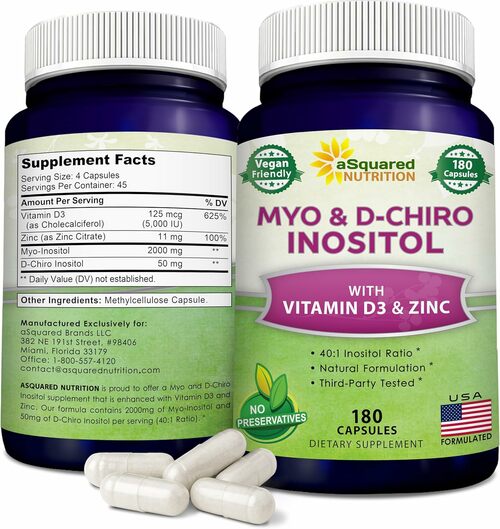
- The 40:1 MI:DCI Ratio: This specific ratio mirrors what researchers believe is the physiologically optimal balance for ovarian tissue. The 40:1 blend has the strongest clinical backing for PCOS metabolic outcomes, though effect sizes are modest compared to prescription options like metformin — inositol is not a substitute for prescription therapy. If PCOS, ovulation, or egg quality is your primary focus, this is the formula type to look for.
- Pure D-Chiro-Inositol: DCI alone is specialist territory. High doses of pure DCI may actually impair oocyte quality — a phenomenon researchers call the "DCI paradox" — and buyers should be aware of this risk. It isn't appropriate for general fertility use without direct clinical supervision, so avoid it unless a qualified provider has specifically recommended it for your situation.
Matching Formula to Your Use Case
Once you understand the forms, the next step is matching the right formula to your specific goal. The research doesn't treat all inositol applications equally — some use cases have a clearer evidence base and a more established dosing target than others. Timelines also vary: effects on insulin sensitivity and ovulation typically take 8–12 weeks to appear, and cycle regularity may take 3–6 months.
- PCOS and Ovulatory Support: A 40:1 MI:DCI blend at 4 g of myo-inositol per day (total daily dose) is the most studied protocol here. Look for products that clearly state the dose of each form separately — not just "inositol blend."
- Fertility and Egg Quality: The same 40:1 ratio applies, with the same DCI caution: avoid formulas skewed heavily toward DCI. Some fertility-focused products also include folate, which is worth considering if you're in the preconception window.
- Gestational Diabetes Risk: Myo-inositol combined with folate has been studied in this context. If this is your reason for supplementing, look specifically for an MI + folate combination product rather than a general PCOS blend. Talk to a qualified healthcare provider before starting any inositol regimen — this is especially important if you're pregnant, trying to conceive, or managing a diagnosed condition like PCOS.
- Mood and Anxiety Support: This use case involves significantly higher doses — clinical trials have used 12–18 g/day of pure myo-inositol. Those trials are older, smaller, and less conclusive than the PCOS literature, so any mood or anxiety benefits should be treated as preliminary rather than established. High-dose powder formats are essentially the only practical way to reach these amounts.
- General Metabolic Balance: Pure myo-inositol at the 2–4 g/day range is reasonable here. This is also where broad hormone-support blends appear — they can contain inositol alongside other ingredients, which may dilute the inositol dose below a meaningful threshold. Check the per-serving inositol amount before assuming a blend delivers a functional dose.
Reading a Label: Dose Transparency, Format, and Quality Certification
The supplement market has no shortage of inositol products that look clinically credible on the front panel but fall apart on the back. Knowing what to look for — and what to walk away from — on a supplement facts panel is the most practical skill you can apply before buying. Independent third-party testing is your primary assurance that label claims are accurate and the product is free from undisclosed contaminants.
- Exact Dose Disclosure: The label should list myo-inositol and D-chiro-inositol as separate line items with specific gram or milligram amounts. Any product listing only "inositol blend" with a combined total obscures whether you're getting a meaningful or appropriate dose of each form.
- Serving Burden: For PCOS protocols, powder dissolves easily in water and is far more practical than taking 8–10 capsules to reach the same dose. Capsule formats work well for lower-dose applications (general metabolic support, folate combinations) where the total daily dose is more manageable per capsule.
- Third-Party Certifications: Look for NSF Certified for Sport, USP Verified, or Informed Sport logos. These indicate an independent lab has confirmed the product contains what the label claims and screened for common contaminants. GMP-certified manufacturing is a baseline minimum, but it doesn't verify label accuracy the way third-party testing does.
- Ingredient Cleanliness: Avoid products hiding behind proprietary blends, which make it impossible to verify the inositol dose. Artificial sweeteners, unnecessary fillers, and undisclosed "other ingredients" are worth scrutinizing, particularly for a supplement you may be taking at high doses daily.
- Price Per Effective Dose: Compare cost per day of your target dose, not cost per container. A larger container at a lower unit price can still be poor value if the per-serving dose is too low to be meaningful for your goal.
Bottom Line
The most important decision when buying an inositol supplement isn't brand — it's formula. Match the inositol form and ratio to your specific goal, confirm the exact dose of each form on the label, choose a delivery format that makes your daily dose realistic to maintain, and prioritize products with independent third-party testing. Research in this space is promising but still evolving, and what works well for one person may do little for another — so if you're managing a diagnosed condition, pregnant, or actively trying to conceive, partner with a qualified clinician on whether inositol fits your situation and what dose makes sense.

 aSquared
 Nutricost
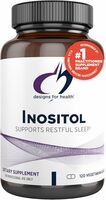 Designs for Health
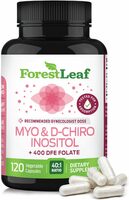 ForestLeaf
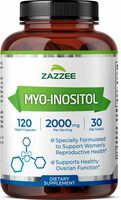 Zazzee