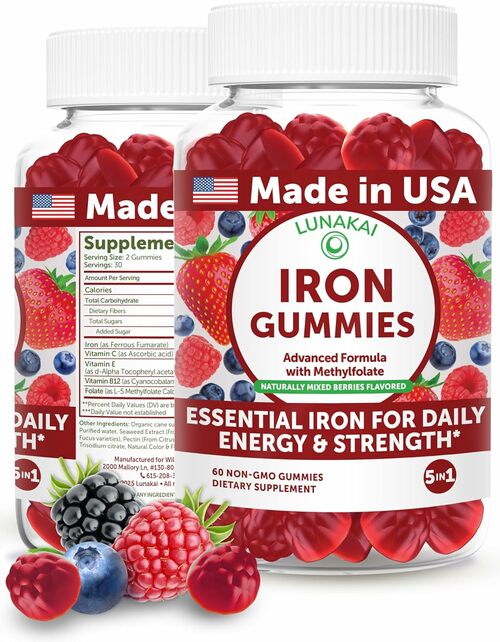
Iron is an essential mineral that plays a crucial role in transporting oxygen throughout the body. For those with iron deficiency or anemia, taking an iron supplement can be an effective way to restore balance. BuyersReport's experts have broken down the features, & benefits of the top-rated, most effective options so you can make an informed choice – our comprehensive review can help you find the best iron supplements for your health needs.
 Lunakai
 Doctor's Recipes
 Vykee
Vykee
 Nutricost
 NUTRAHARMONY
Lunakai
NUTRAHARMONY
Lunakai
Iron is an essential mineral your body uses to produce hemoglobin, the protein in red blood cells that carries oxygen throughout your tissues. When iron levels fall too low — whether from heavy menstrual periods, pregnancy, a plant-based diet, or increased athletic demand — fatigue, brain fog, and reduced physical performance can follow. This guide walks through the key differences between iron forms, doses, and delivery formats so you can choose a supplement that matches your needs, digestive tolerance, and lifestyle.
Iron supplements replenish the body's iron stores, which are then drawn on to synthesize hemoglobin and support cellular energy metabolism. When you take an iron supplement, the iron is absorbed primarily in the small intestine and transported into the bloodstream, where it is used immediately or stored as ferritin. The compound your iron is bound to — sulfate, glycinate, heme polypeptide, and others — directly affects how efficiently that absorption happens and how your digestive system responds to it.
Iron supplements are not appropriate for everyone, and taking them without a confirmed deficiency carries real risks. Before starting, get blood work — including ferritin, hemoglobin, and transferrin saturation — to confirm iron deficiency, and don't self-diagnose based on symptoms alone. Several groups face a higher risk of depletion and are most likely to be evaluated for supplementation.
The iron compound you choose is the single most important decision you'll make, because it shapes both how much iron you actually absorb and how likely you are to experience side effects. Iron comes in two oxidation states — ferrous (Fe²⁺) and ferric (Fe³⁺) — with ferrous forms absorbing more readily in the gut. Within the ferrous category, how the iron is bound further shapes tolerability and cost.
Once you know which form suits your tolerance and dietary needs, a few label details separate a well-made product from a mediocre one. Pay attention to these factors before you make a purchase.
Iron is one of the few common supplements where toxicity risk is real and well-documented. Iron overdose can be fatal, particularly in children under 6, so it is important to store all iron supplements in child-resistant packaging and keep them well out of reach. In adults, taking more than the recommended amount without clinical guidance can cause serious harm even when symptoms aren't immediate.
Common side effects at typical doses include nausea, constipation, dark stools, and stomach cramping. Starting at a lower dose and gradually increasing, taking iron with a small amount of food, or switching to a better-tolerated form can help. Iron also interacts with several common medications — including levothyroxine, levodopa, penicillamine, methyldopa, carbidopa, ciprofloxacin, certain antibiotics, antacids, and bisphosphonates — so spacing doses apart or avoiding the combination may be required. Walk through your full medication list with a pharmacist or physician before starting supplementation, and don't dismiss these interactions as minor.
It's worth remembering that iron supplements are dietary supplements rather than approved drugs, and they aren't meant to diagnose, treat, cure, or prevent any disease. Individual response varies significantly — how you respond depends on the form you take, the dose, the timing, and the underlying cause of your low iron status. If your levels don't improve after several weeks of consistent use, go back to your clinician to reassess rather than simply increasing your dose on your own.
Choosing an iron supplement comes down to three things: confirming you actually need one with blood work, selecting a form your gut can handle, and verifying that the dose and label are accurate through independent testing. For many people with mild GI sensitivity, a chelated form such as ferrous bisglycinate paired with vitamin C offers a reasonable balance of absorption and tolerability. Those with more significant deficiency or complex health histories should work closely with a healthcare professional to determine the appropriate path forward. An iron supplement is only as useful as the clinical picture guiding its use — start there.