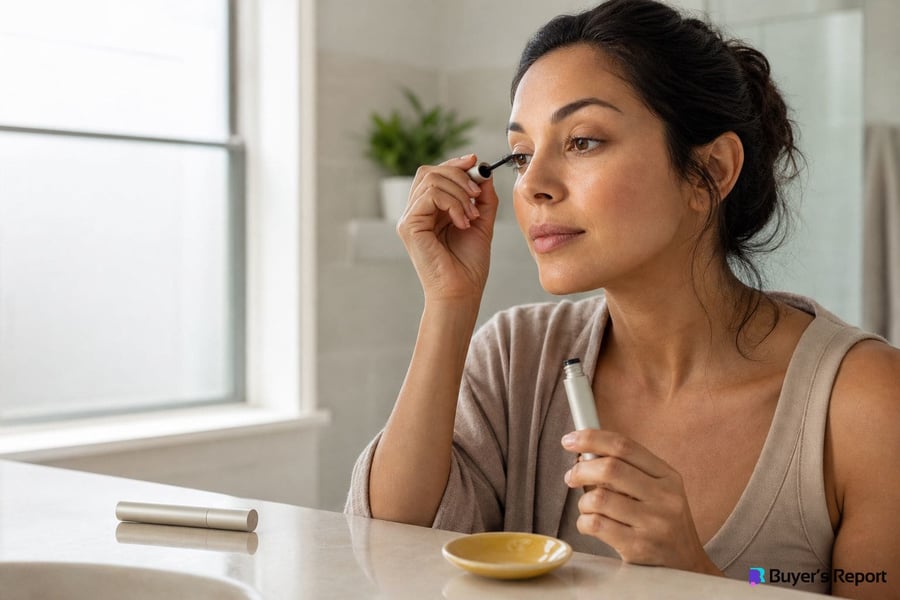
If you've noticed your lashes looking thinner, shorter, or more sparse than they used to, an OTC lash serum may be worth adding to your routine. These topical cosmetics are designed to support the appearance of longer, fuller, and denser natural lashes over time — and while they've exploded in popularity, not all formulas are built equally. The ingredient category you choose has a bigger impact on both your results and your risk profile than the price tag does, and understanding that difference is the most important decision you'll make when shopping for this product.
Prostaglandin Analogs, Peptides, and Conditioners: Choosing Your Ingredient Category
Lash serums are split into three broad ingredient classes, each with a different mechanism, evidence base, and safety profile. Knowing which category a product falls into before you buy tells you far more about what to expect than any marketing claim on the front of the box. It's worth knowing upfront that the only product specifically cleared by the FDA for eyelash growth is prescription bimatoprost, a pharmaceutical prostaglandin analog; the OTC lash serums you'll find on store shelves are sold as cosmetics, not as approved drugs to treat, diagnose, or cure any medical condition.
- Prostaglandin analog serums use synthetic molecules that mimic prostaglandins to influence the lash growth cycle. These carry the strongest evidence for visible growth among OTC options, but they also come with the most significant side-effect considerations — more on those in the safety section below. Because OTC prostaglandin-like molecules are sold as cosmetics, they haven't been through the same vetting process as the prescription drug, and shouldn't be assumed to carry equivalent safety validation.
- Peptide-based serums typically feature ingredients like myristoyl pentapeptide-17 or biotinoyl tripeptide-1, which are thought to signal follicle cells and support keratin production. The clinical evidence is more limited than for prostaglandins, but the safety profile is considerably more favorable — making peptide formulas a strong choice if you have sensitive eyes, wear contact lenses, or simply want to minimize risk.
- Botanical and vitamin conditioners rely on ingredients like pumpkin seed oil, ginseng, castor oil, and biotin to nourish and protect existing lashes rather than stimulate new growth. Expect subtle improvements in lash appearance and reduced breakage rather than dramatic lengthening. These are the most broadly suitable option for sensitive eyes and those primarily focused on lash health after extension use.
- Growth factor serums are an emerging category built around protein-based actives. Evidence is still developing and long-term data is limited, but they may be worth considering as a middle-ground option between peptides and prostaglandin analogs.
Who Should Consider a Lash Serum
Lash serums aren't one-size-fits-all, and matching the formula type to your specific situation makes a real difference in both safety and satisfaction. Your starting point — whether you're dealing with age-related thinning, post-extension recovery, or simply wanting more visible lashes — should guide which category you shop.
- Mild age-related thinning is one of the most common reasons people turn to lash serums. Both prostaglandin analog and peptide formulas may support a fuller appearance over time, but if you're in your 40s or 50s with no prior eye issues, a peptide serum is a reasonable starting point given its more favorable risk profile.
- Post-extension recovery calls for a conditioning or peptide formula first. Lashes that have been weakened by adhesive and mechanical stress need nourishment and protection more than they need a growth-stimulating active — look for serums that emphasize fortifying ingredients alongside any growth peptides.
- Sensitive eyes and contact lens wearers should prioritize peptide or botanical formulas and check that the serum is labeled ophthalmologist-tested. Prostaglandin-class actives carry a higher chance of irritation and are generally a riskier choice for this group. If you have an existing eye condition, use prescription eye drops, or wear contact lenses, it's worth a quick conversation with a dermatologist or ophthalmologist before starting any lash serum.
- Budget-conscious shoppers should know that price and evidence don't track together cleanly in this category. Effective peptide and even some prostaglandin-analog formulas exist in the $30–$65 range, and paying significantly more is not a reliable signal of better results.
- Significant or sudden lash loss may have an underlying medical cause, and a cosmetic lash serum isn't the right tool for that situation. Anyone experiencing dramatic loss should see a clinician rather than rely on an OTC product in place of professionally supervised care.
How to Read a Lash Serum Ingredient List
The ingredient list is the single most reliable source of information on a lash serum — more so than "clinically tested" claims or before-and-after photography. Cosmetic ingredient lists are ordered by concentration from highest to lowest, which means where an active appears tells you a lot about how much of it is actually in the formula. It's also worth knowing that OTC cosmetic serums aren't required under current US law to clear an FDA safety or efficacy review before they hit shelves, so the burden of scrutiny lands on you as the buyer.
- Active placement in the list matters enormously. A peptide or prostaglandin-analog ingredient buried at the very end of a long list is likely present in trace amounts — too little to produce meaningful results. Look for key actives appearing in the upper-middle portion of the ingredient list for confidence that they're present at a functional level.
- Proprietary blend labels are a red flag. When a brand hides actives inside a named "lash complex" without disclosing the individual components or their order, you can't verify concentration. Prefer formulas that list every ingredient individually and transparently.
- Prostaglandin-class identifiers to look for include isopropyl clovenate, dechloro dihydroxy difluoro ethylcloprostenolamide, and similar synthetic prostaglandin-like molecules - often ending in ‘prost’. If you see these and weren't expecting a prostaglandin formula, reconsider whether the side-effect profile fits your situation.
- Filler-heavy formulas with long lists dominated by fragrance components, alcohols, or preservatives before any active ingredient suggest the active load is low. A clean, short-to-medium length ingredient list with actives near the top is generally a better signal of efficacy.
Safety, Side Effects, and When to Pause
Understanding the side-effect profiles of different formula types is as important as evaluating efficacy — especially because lash serums are applied close to the eye, one of the most sensitive areas on the body.
- Prostaglandin analog risks are well-documented and deserve serious weight before buying. These ingredients have been linked to iris pigmentation changes (a permanent darkening of eye color in some users), periorbital skin darkening, eyelid drooping, and eye irritation. These aren't theoretical concerns to brush aside — they're part of the trade-off that comes with this ingredient class.
- Peptide and botanical tolerability is significantly better across most users, with mild irritation being the most commonly reported concern. This is why peptide-based formulas are the default recommendation for anyone with a history of eye sensitivity.
- Stop using the serum if you notice redness, persistent irritation, changes in eye color, or any other unexpected ocular symptoms, and check in with a professional before restarting.
- Contact lens use requires care regardless of formula type. Most serums should be applied after lens removal, and you should wait the recommended period — usually 15 minutes — before reinserting lenses. Verify this with the specific product instructions.
- Timelines and outcomes vary meaningfully from person to person depending on the ingredient class and how consistently you apply it. Most formulas need a minimum of 8–16 weeks of consistent nightly application before visible improvement can be fairly assessed, and gains typically fade once use is discontinued. No serum will deliver a guaranteed amount of lengthening.
Bottom Line
The most important lash serum decision you'll make is which ingredient category to buy into — and that choice should be driven by your risk tolerance as much as your growth goals. Prostaglandin-analog formulas offer the strongest OTC evidence for visible growth but carry documented side-effect risks that deserve serious consideration before purchase. Peptide-based serums offer a more balanced option for most shoppers, particularly those with sensitive eyes or contact lenses. Conditioner formulas are the safest and most universally tolerable, best suited to lash maintenance and post-extension recovery. Whatever category you choose, prioritize ingredient list transparency, realistic timeline expectations, and formulas that have been ophthalmologist- or clinically tested — and remember that consistency over weeks, not days, is what separates results from disappointment.

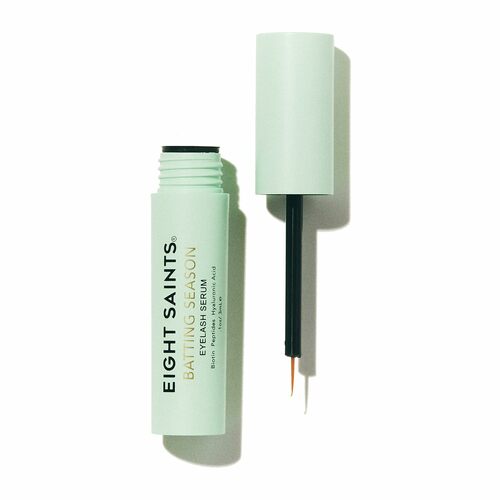
 Eight Saints
 Pronexa
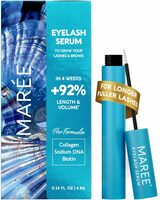 MAREE
MAREE