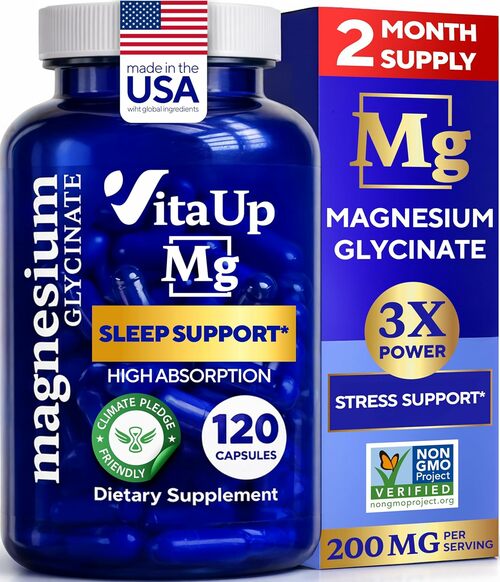
Magnesium is a popular supplement that many people take to support their overall health. With numerous options available in the market, it can be challenging to decide which magnesium supplement is best for you; for example, Magtein increases focus, supports cognitive functioning, and boosts positive mood while Glycinate improves sleep quality. Let BuyersReport help you make an informed choice, with our experts who have broken down the features & benefits of the top-rated and most effective magnesium supplements.
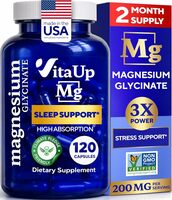 VitaUp
 Double Wood
 aSquared Nutrition
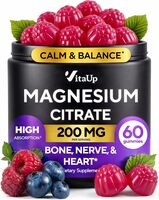 VitaUp
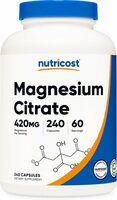 Nutricost
VitaUp
Nutricost
VitaUp

Magnesium is one of those nutrients that does a lot of heavy lifting in the body quietly, behind the scenes, yet it rarely gets the attention it deserves. It plays a role in everything from muscle movement to sleep quality, stress response, and energy production. When we don’t get enough magnesium, the signs aren’t always obvious at first. But over time, issues like muscle tightness, low energy, poor sleep, or increased stress can start to present.
Although magnesium is found naturally in foods such as leafy greens, nuts, seeds, and whole grains, most adults don’t get enough through diet alone. Modern food processing, depleted soils, and busy lifestyles can all make it harder to get the actual level of magnesium our bodies need. That’s why magnesium supplements, especially magnesium powders, have become a popular option for people looking to get the benefits of this important mineral, namely increased relaxation, muscle recovery, and overall wellness.
With so many magnesium supplements and powders available in different forms, blends, and flavors, choosing the best magnesium powder can feel confusing. Understanding the types of magnesium, how magnesium works in the body, and what to look for in a high-quality magnesium supplement can help you make a more confident and informed decision.
Magnesium supplements are commonly used by adults seeking support for everyday wellness concerns, including stress management, muscle function, and sleep quality. While magnesium needs vary from person to person, supplementation may be especially helpful for individuals who have increased demands or limited dietary intake.
Magnesium may be worth considering if you:
Athletes and active individuals often use magnesium to support muscle recovery and hydration balance, while people under chronic stress may turn to it for its calming effects on the nervous system. Older adults may also benefit, as magnesium absorption can decline with age.
Magnesium is not a sedative or stimulant, nor is it a quick fix. Instead, it is typically used as part of a broader wellness routine focused on long-term balance and resilience.
Magnesium is an essential mineral that acts as a cofactor in over 300 enzymatic reactions. These reactions influence everything from muscle contraction and nerve transmission to blood sugar regulation and protein synthesis.
One of magnesium’s most important roles is supporting proper muscle and nerve function. Magnesium helps muscles relax after contraction, which is why low levels are often associated with cramping or tightness. In the nervous system, magnesium plays a role in regulating neurotransmitters involved in stress response and relaxation.
Magnesium is also critical for:
Unlike fast-acting medications, magnesium works gradually by replenishing the body's mineral stores. Consistent intake over time allows magnesium levels to stabilize, which is why regular daily use is typically recommended.
When taken consistently and in recommended amounts, magnesium supplements may support various wellness goals. Individual results vary, but many users report noticeable improvements over time.
Magnesium is widely used to support muscle relaxation, particularly after exercise or physical strain. It may help reduce cramping, tightness, and post-workout soreness.
Magnesium plays a role in regulating the body’s stress response. Many people take magnesium to support calmness, mental clarity, and emotional balance during periods of chronic stress.
By supporting relaxation and nervous system regulation, magnesium may help improve sleep quality and promote more restful nights, especially when taken in the evening.
Because magnesium is involved in energy production at the cellular level, adequate intake may help support sustained energy and reduce feelings of fatigue.
Magnesium contributes to bone mineralization and supports healthy heart rhythm and blood vessel function, making it an important mineral for long-term health.
Not all magnesium supplements are the same. The form of magnesium used can affect absorption, tolerance, and the specific benefits a supplement is best suited to provide. Understanding these differences is especially important when choosing magnesium powders.
Magnesium citrate is one of the most commonly used and well-absorbed forms. It dissolves easily in water, making it popular in powdered magnesium supplements. While effective, it can have a mild laxative effect at higher doses, which may be helpful or undesirable depending on individual needs.
Magnesium glycinate is bound to the amino acid glycine and is known for being gentle on digestion. It is often recommended for stress support, sleep, and muscle relaxation, and is less likely to cause gastrointestinal discomfort.
Magnesium malate combines magnesium with malic acid, which plays a role in energy production. This form is frequently used by individuals looking to support energy levels and muscle function without promoting drowsiness.
Magnesium threonate is a newer form that has gained attention for its ability to cross the blood-brain barrier. It is often marketed for cognitive support and mental clarity, though it is typically more expensive and used in lower doses.
Magnesium oxide contains a high percentage of elemental magnesium but is less bioavailable than other forms. It is more commonly used for digestive purposes rather than systemic magnesium replenishment.
Bioavailability refers to how efficiently a nutrient is absorbed and utilized by the body. Magnesium absorption can vary significantly depending on the form used, overall gut health, and individual nutrient status.
Powdered magnesium supplements are often favored because they allow for flexible dosing and easy absorption when mixed with water. Some users also find powders easier to tolerate than capsules or tablets.
Taking magnesium with food may improve absorption and reduce the likelihood of digestive upset. Splitting doses throughout the day can also help improve tolerance, especially for individuals sensitive to higher amounts.
No single magnesium form is ideal for everyone, which is why many high-quality magnesium powders use blended formulations to support both absorption and tolerance.
Many magnesium powders include additional ingredients designed to enhance absorption or provide complementary benefits. These combination formulas can be appealing for individuals seeking broader wellness support.
Some magnesium powders include calcium and vitamin D to support bone health. While these nutrients work together, balance is important, as excessive calcium intake without adequate magnesium may interfere with absorption.
Potassium is another electrolyte commonly paired with magnesium to support hydration, muscle function, and nerve signaling, particularly for active individuals.
L-theanine is an amino acid often added to magnesium powders marketed for relaxation and stress support. This combination may appeal to people seeking calm focus without sedation.
B-complex vitamins are sometimes included to support energy metabolism and nervous system health, complementing magnesium’s role in cellular energy production.
When choosing combination products, it’s important to review ingredient dosages and ensure they align with your specific goals rather than adding unnecessary complexity.
Magnesium supplement quality can vary widely. High-quality products are transparent about sourcing, formulation, and testing.
Look for magnesium powders that offer:
Flavored magnesium powders should use natural flavoring where possible, and unsweetened options are available for those sensitive to additives.
Choosing the right magnesium supplement comes down to understanding your personal health goals, lifestyle, and how your body responds to different forms of magnesium. Some people prioritize relaxation and sleep support, while others are focused on muscle recovery, energy, or digestive comfort. Factors like magnesium type, dosage, and delivery format can all influence how effective a supplement feels over time. Taking a little time to match the formulation to your specific needs can make magnesium supplementation both more comfortable and more beneficial.
Magnesium glycinate or blended calming formulas may be best suited for evening use and relaxation.
Active individuals often opt for magnesium citrate or malate powders for post-workout support.
Magnesium malate or lower-dose blends can support energy without promoting drowsiness.
Gentler forms such as magnesium glycinate or lower-dose powders may be easier to tolerate.
Magnesium is available in capsules, tablets, liquids, and powders. Powders offer dosing flexibility and are often easier to absorb, especially for individuals who dislike swallowing pills.
Make sure to choose a form you willtake consistently is one of the most important factors in long-term effectiveness.
Magnesium supplements are generally well tolerated, but potential considerations include:
People with kidney conditions or those taking prescription medications should consult a healthcare provider before starting magnesium supplementation.
Magnesium is often taken daily as part of a long-term wellness routine. Some people notice benefits within a few weeks, while others may require longer, consistent use.
Reassessing your dose from time to time can help determine whether adjustments in dose or form are needed based on lifestyle changes or health goals.
Magnesium is an essential mineral that supports muscle function, stress regulation, sleep quality, and overall metabolic health. With many forms and formulations available, especially in powder form, there is no one-size-fits-all solution.
By understanding how magnesium works, the differences between supplement types, and what quality markers to look for, you can choose a magnesium powder that fits your lifestyle and wellness goals best. When used consistently and properly, magnesium can be a valuable addition to a balanced, long-term approach to your overall health.