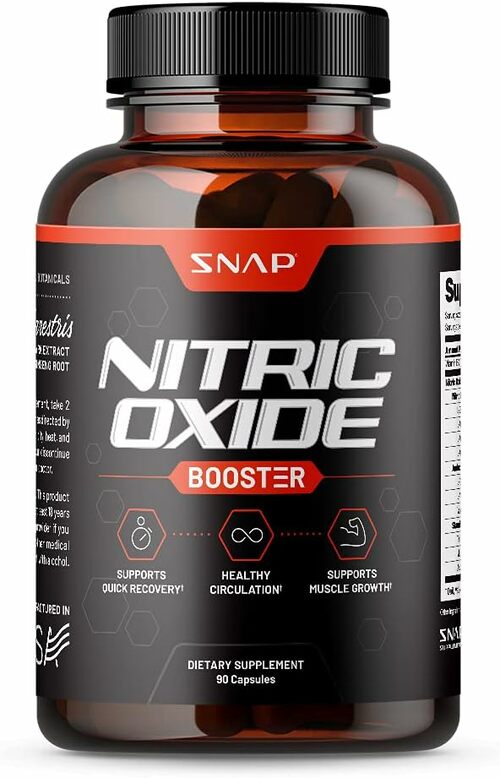
Nitric oxide supplements have become a staple in performance and cardiovascular wellness routines, used by everyone from gym-goers chasing a better muscle pump to endurance athletes looking for an edge in oxygen efficiency. Worth knowing up front: these products don't actually contain nitric oxide — they supply precursor compounds that your body converts into nitric oxide through one of two distinct biological pathways. Because those pathways differ in how they work and what they support, choosing the right formula means understanding which pathway, which precursor dose, and which delivery format best match your primary goal. This guide walks you through what to look for so you can compare options with confidence.
How Nitric Oxide Supplements Work
Nitric oxide is a signaling molecule your body produces naturally. It relaxes and widens blood vessels, which may support circulation, oxygen delivery to working muscles, and cardiovascular function. Production tends to decline with age and certain lifestyle factors, which is one reason supplementation has attracted both athletes and adults with general wellness goals.
Supplements support this process through two main precursor pathways, and the one a formula uses shapes everything — from when to take it to what benefits it may support:
- The arginine/citrulline pathway uses the amino acids L-arginine or L-citrulline as raw material for an enzyme called nitric oxide synthase, which converts them into nitric oxide. L-citrulline is generally preferred in this pathway because it converts to arginine more efficiently and has better oral absorption. This route is most associated with the acute muscle pump and blood-flow effects gym-goers seek during training.
- The nitrate-nitrite-NO pathway uses dietary nitrates — typically from beetroot extract, red spinach, or similar vegetable concentrates — which the body reduces sequentially into nitrite and then nitric oxide. This pathway can function even in low-oxygen environments and is often linked to endurance performance and sustained cardiovascular support, making it popular among runners and cyclists.
- Combination/multi-pathway formulas blend amino acid precursors with nitrate sources to engage both pathways simultaneously. These may appeal to buyers who want workout-intensity benefits alongside longer-duration cardiovascular support, though you'll want to verify that each ingredient is present at a meaningful dose rather than a token amount.
Who Should Consider Nitric Oxide Supplements?
Nitric oxide precursor supplements attract a wide range of buyers, but the ideal formula varies significantly by goal. Individual responses differ, so before purchasing it helps to identify which of the following profiles most closely matches your primary motivation.
- Gym-goers and recreational athletes typically want enhanced muscle pump, improved blood flow during training, and better workout endurance. A citrulline-forward formula or a pre-workout blend with nitric oxide ingredients often suits this group well.
- Endurance athletes — runners, cyclists, and rowers — are often drawn to the nitrate-nitrite pathway for its potential to support oxygen efficiency and stamina over longer efforts. Beetroot or red spinach-based products are a natural starting point.
- Stimulant-sensitive individuals who want performance support without caffeine will find standalone, stim-free nitric oxide boosters more suitable than combination pre-workout blends. These can also be taken later in the day without affecting sleep.
- Older adults experiencing age-related declines in natural nitric oxide production may be drawn to this category for general wellness support. Physician guidance is especially important in this group before starting any new supplement protocol.
- Adults with cardiovascular wellness goals should approach this category only under physician supervision, as nitric oxide precursors can interact with several common prescription medications.
What to Look for When Buying
Label reading matters more here than in almost any other supplement category. Dose, transparency, and testing credentials are the three variables that most reliably separate a quality product from a cleverly marketed one.
- Clinically relevant doses are non-negotiable. Research on ingredients like L-citrulline uses specific dose ranges from published trials — not trace amounts buried in a proprietary blend. If a label shows only a blend total rather than individual ingredient amounts, you have no way to confirm you're getting an effective dose of anything.
- Full ingredient transparency means every active ingredient and its exact dose is disclosed on the label. Proprietary blends that list only a combined weight obscure individual doses and make it impossible to evaluate the product objectively. Prioritize fully disclosed formulas.
- Nitrate source quality matters if you're shopping in the dietary nitrate category. Food-derived nitrates from whole-food concentrates like beetroot or red spinach are preferable to isolated synthetic nitrate fillers such as sodium nitrate, which lack the co-occurring phytonutrients found in vegetable sources.
- Third-party testing certifications — such as NSF Certified for Sport, Informed Sport, or production in a GMP-certified facility — help verify that what's on the label is actually in the bottle and that the product is free from banned substances. This matters especially for competitive athletes subject to drug testing.
- Stimulant profile is a key purchasing variable. Stim-free formulas are versatile — they can be taken at any time of day, stacked with other supplements, and used by people who are caffeine-sensitive. Pre-workout blends that include caffeine, beta-alanine, or creatine alongside nitric oxide ingredients offer convenience but less flexibility.
- Delivery format and absorption affect how quickly active ingredients enter circulation. Powders and lozenges generally absorb faster than capsules, which can matter if you're timing intake around a training window. Capsules offer portability and convenience for travel or on-the-go use.
Safety, Side Effects, and Who Should Consult a Doctor First
A quick note on regulatory context: nitric oxide products in this category are sold as dietary supplements rather than as FDA-approved drugs, and they aren't intended to diagnose, treat, cure, or prevent any disease. They contain precursors that support your body's own nitric oxide production rather than nitric oxide itself, and how much benefit any individual notices will vary from person to person.
For most healthy adults, these supplements are reasonably well-tolerated at recommended doses. That said, there are meaningful safety considerations buyers should take seriously before purchasing:
- Drug interactions are the single biggest concern in this category. Serious interactions are possible with blood pressure medications, PDE5 inhibitors (such as medications used for erectile dysfunction), nitrate medications prescribed for heart conditions, and anticoagulants — combining these with nitric oxide precursors can cause dangerous drops in blood pressure. If you take any of these, do not use nitric oxide supplements without explicit physician clearance, and never stop or substitute a prescribed medication on your own.
- Cardiovascular and liver conditions warrant medical review. Individuals with cardiovascular conditions, liver disease, or a history of heart attack should seek medical clearance before use. More broadly, it's wise to talk to a healthcare provider before starting any new supplement, especially if you take prescription medications.
- Pregnancy and nursing call for professional input. Pregnant or nursing individuals should consult a physician before use.
- Dose limits matter more than many buyers realize. Don't exceed the recommended dosage on the label — excessive intake can cause adverse effects including low blood pressure, headaches, and gastrointestinal discomfort. Higher doses are not automatically more effective.
- Beetroot quirks are worth noting for first-time buyers. Beetroot-based supplements can temporarily turn urine or stool pink or red — a harmless phenomenon called beeturia, but alarming if you're not expecting it.
Bottom Line
The most important purchase decision in this category isn't brand — it's pathway and dose. Identify whether your primary goal is acute training performance, endurance support, or general cardiovascular wellness, then match that goal to a formula using the right precursor pathway at a clinically relevant, fully disclosed dose. Verify third-party testing credentials, decide whether you want stimulants included or prefer a stim-free formula you can use flexibly, and choose a delivery format that fits your routine. If you have any existing health conditions or take prescription medications, get physician input before adding any nitric oxide supplement to your regimen.

 Snap Supplements
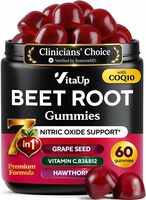 VitaUp
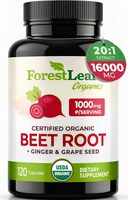 Forest Leaf
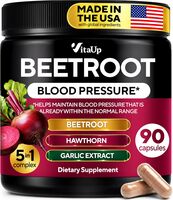 VitaUp
 Nutricost