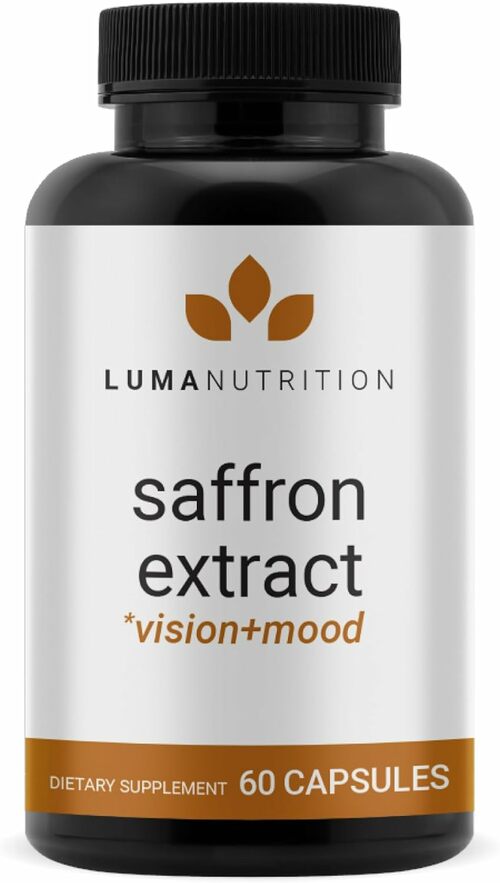
The right saffron supplement can support positive moods, healthy vision, and heart wellness. Our experts have broken down the potency, standardization methods, and wellness benefits of the top-rated, most effective saffron extract supplements, so you can make an informed choice. This review can help you find the best quality capsules or gummies for emotional well-being, healthy vision support, and improved cognitive function.
 Luma Nutrition
 NutriRise
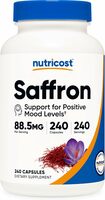 Nutricost
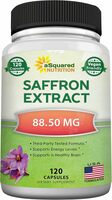 aSquared
Luma Nutrition
aSquared
Luma Nutrition
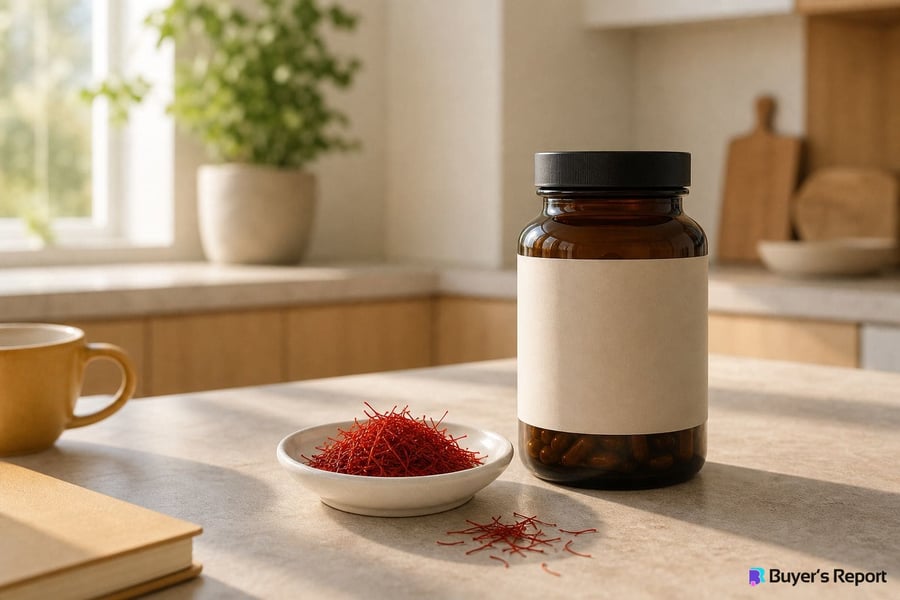
Saffron, the vivid red spice derived from the Crocus sativus flower, has attracted serious scientific interest as a botanical supplement for mood, sleep, and appetite support — but the gap between culinary saffron and a clinically relevant supplement is wider than most buyers realize. The key is standardization: how much of the active compounds a product actually delivers, and whether that dose aligns with what researchers have studied. This guide walks you through what to look for on a label, how to avoid the quality pitfalls that are unusually common in this category, and how to match a product to your wellness goal.
Saffron's potential effects come from a handful of naturally occurring compounds — primarily crocins, safranal, and picrocrocin — found in the stigma of the flower. These bioactives are thought to interact with neurotransmitter systems in the brain, particularly serotonin pathways, which researchers believe may help explain the mood and sleep associations observed in clinical trials. The catch is that the bioactive content of culinary saffron threads can vary up to tenfold depending on origin, harvest, and handling, which is why the spice itself isn't a substitute for a standardized supplement extract — you simply can't know how much active compound you're getting from threads alone.
Saffron supplements tend to appeal to adults looking for a botanically sourced option with at least some published clinical data behind it. That said, results vary between individuals, and the clinical evidence is preliminary and drawn mostly from small, short-term studies — so the right buyer is someone with realistic expectations about what a botanical can and can't do.
The form and standardization type of a saffron supplement determine whether it can plausibly deliver a meaningful dose. Differences across products matter more here than in most supplement categories.
This category has a well-documented adulteration problem — independent testing has found that nearly 40% of marketed saffron products contain adulterants such as safflower petals or turmeric used to mimic color and weight. That makes quality verification more critical here than in most supplement aisles.
Saffron supplements have a reasonable safety profile at studied doses, but there are important considerations before you buy — particularly if you take other medications. It's worth consulting a qualified healthcare professional before starting saffron, especially if you take antidepressants, anticoagulants, or other prescription medications, since interactions are possible. At very high doses, saffron has been associated with a bleeding risk, which is another reason to stay within an established, studied range. Safety in pregnant or nursing women and in children hasn't been established, and these groups should avoid use without direct medical supervision.
On the efficacy side, go in with grounded expectations. Saffron supplements are dietary supplements, not medicines — they aren't intended to diagnose, treat, cure, or prevent any disease, and they aren't reviewed or approved by the FDA as drugs. Long-term continuous use beyond six months hasn't been systematically studied, so periodic reassessment with a healthcare provider is a sensible practice.
Saffron supplements offer a genuinely interesting botanical option for adults curious about mood, sleep, or appetite support — but only if the product you choose is actually built to deliver what the research has studied. The single most important step for a buyer is verifying standardization: find the bioactive marker, confirm the percentage, and match the extract dose to the clinical target. Pair that with third-party testing verification, and you've screened out the majority of low-quality and adulterated products in this category. Skip those steps and you may be paying premium prices for an unverified powder with no reliable bioactive content at all.