Stick vacuum cleaners are ideal for quick cleanups and everyday messes, offering powerful suction in a lightweight design. Perfect for hard floors, carpets, and tight spaces, these vacuums deliver easy maneuverability and strong performance. BuyersReport's experts have broken down the features, & benefits of the top-rated, most effective options so you can make an informed choice – our comprehensive review can help you find the best stick vacuum for your cleaning needs.
 LEVOIT
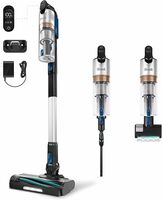 LEVOIT
 Eureka
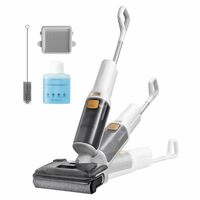 roborock
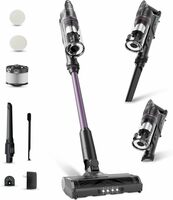 Candy
Candy
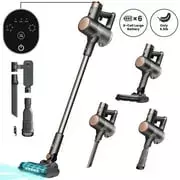 KISSAIR
LEVOIT
KISSAIR
LEVOIT
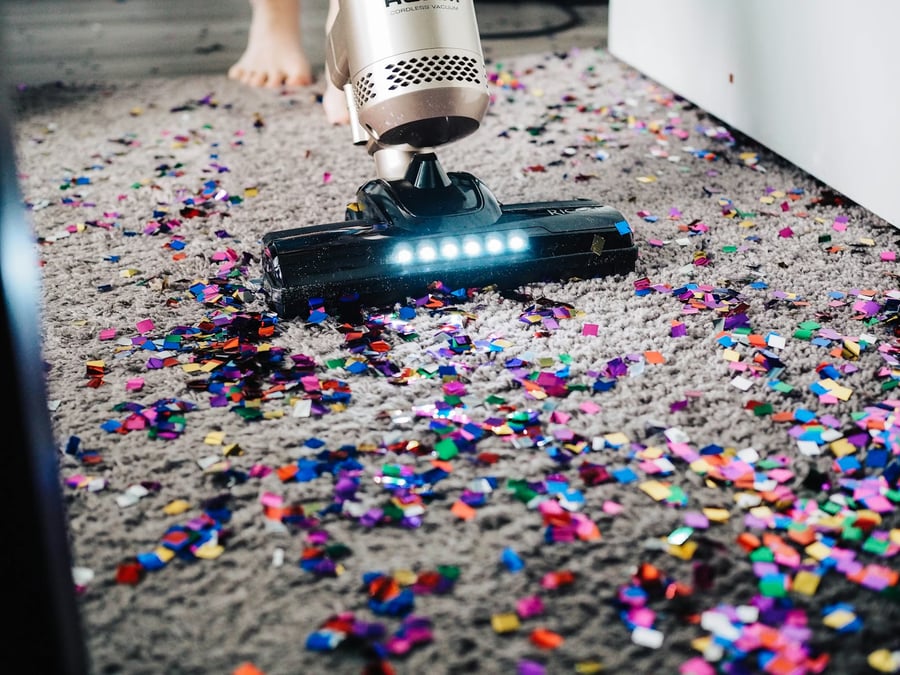
Keeping floors clean is an essential part of maintaining a comfortable, healthy home, but traditional vacuum cleaners can make the task feel more time-consuming than it needs to be. Bulky uprights, tangled cords, and awkward storage can turn quick cleanups into chores that get put off. In reality, convenience matters just as much as cleaning power.
Stick vacuums are designed to be lightweight, compact, and easy to maneuver. They make full-room cleaning faster and easier. Unlike traditional upright vacuums that can be difficult to move and store, stick vacuum cleaners offer a streamlined design that makes both quick touch-ups and more thorough cleaning far less of a hassle.
What sets stick vacuums apart is their versatility. Many models perform well on hardwood, tile, and carpet, and some convert into handheld units for furniture, stairs, or car interiors. Cordless stick vacuums have upped their battery life game and can now deliver impressive runtime and suction without being stuck near an outlet. For homes with pets, mixed flooring, or limited storage space, a good stick vacuum can be just the versatile cleaning tool you’ve been looking for.
The variety of stick vacuum options can seem overwhelming. There are corded and cordless models, budget-friendly options, and premium designs, vacuums built for pet hair and those optimized for hard floors. Understanding what sets one stick vacuum apart from another, and knowing which features actually matter for your home, can help you find the right fit without spending too much or settling for something that doesn’t work very well.
A stick vacuum is a lightweight, upright-style vacuum cleaner designed for easy maneuverability and compact storage. Most models feature a slim profile, a small dustbin, and either corded or battery-powered operation. Many stick vacuums convert into handheld units, allowing them to clean floors, furniture, stairs, and vehicle interiors with the same device. Their versatility and ease of use have made them an increasingly popular alternative to traditional vacuums.
Stick vacuums work well for a wide range of households and cleaning situations. They’re especially popular among people who want a lighter, more agile cleaning tool that doesn’t sacrifice effectiveness. While traditional upright vacuums still have their place, stick vacuums excel in homes where convenience, storage space, and quick access matter.
A stick vacuum may be a good fit if you:
Households with young children, pet owners, and anyone who does frequent spot cleaning tend to appreciate the grab-and-go nature of stick vacuums. People with mobility challenges also favor them, as traditional vacuums can be heavy or awkward to maneuver. That said, stick vacuums may not fully replace a more powerful upright in homes with thick carpeting or very large floor areas.
Stick vacuums use suction to pull dirt, dust, and debris from floors into a dustbin and filter system. Most modern stick vacuums rely on cyclonic separation technology, which spins air rapidly to separate particles from airflow before they reach the filter. This helps maintain consistent suction and reduces filter clogging over time.
Cordless models are powered by rechargeable lithium-ion batteries that run both the motor and any motorized brush rolls. Battery performance directly impacts runtime, suction strength, and overall cleaning capability. Higher-quality models are built with motors that provide strong airflow while using power more efficiently.
Brush rolls spin to loosen dirt from carpet fibers and move it into the vacuum’s airflow. On hard floors, some models use soft roller designs that are gentler on surfaces while still capturing fine dust and larger particles. Filtration is another key element. Many stick vacuums include washable or replaceable filters, and some use HEPA filtration to help trap allergens and fine particles. Keeping filters clean is essential for maintaining suction and indoor air quality.
While results vary depending on the specific model, floor type, and maintenance habits, many households find that a well-chosen stick vacuum improves both cleaning consistency and convenience.
Stick vacuums typically weigh between five and 10 pounds, making them a popular choice for anyone looking for a lightweight vacuum cleaner that’s easy to lift and maneuver around furniture, under beds, and on stairs.
Cordless stick vacuums eliminate the need to plug and unplug as you move between rooms, allowing for faster, more flexible cleaning.
Most stick vacuums store upright in a closet or mount on a wall, taking up significantly less space than traditional vacuums.
Many models convert into handheld units or include attachments for upholstery, crevices, and dusting, allowing one vacuum to handle multiple tasks.
Quality stick vacuums perform well on hardwood, tile, laminate, and low- to medium-pile carpet, with some models automatically adjusting based on floor type.
Not all stick vacuums are built the same way. Understanding the main types can help narrow your options.
Powered by rechargeable batteries, cordless models offer maximum mobility. Runtime ranges from about 15 minutes on high power to over an hour on lower settings, depending on the vacuum.
Corded models provide continuous suction without battery limits. They’re often lighter and more affordable but restrict movement due to cord length.
These designs function as both a stick vacuum and a handheld, making them especially versatile for multi-surface cleaning.
Some stick vacuums are designed specifically for pet hair, hard floors, or allergy concerns, featuring enhanced brush rolls or filtration systems.
For cordless stick vacuums, battery performance is one of the most important considerations. It affects how long you can clean, how strong the suction remains throughout use, and how quickly the vacuum is ready again.
Most models offer multiple power modes. Standard settings balance runtime and suction, while high-power modes deliver stronger cleaning at the expense of battery life. Eco modes extend runtime on hard floors but may not provide enough power for carpets.
Charging time varies, typically ranging from three to five hours. Removable batteries add flexibility, allowing you to swap in a charged backup for longer cleaning sessions. Since lithium-ion batteries degrade over time, choosing a vacuum with replaceable batteries can extend overall product lifespan.
Many stick vacuums include extra tools that expand their functionality:
These features can add real value when they match your specific cleaning needs.
Quality varies widely among stick vacuums. Look for models that offer:
Avoid overly complex designs, sealed batteries, or models known for frequent clogs and breakdowns. Verified user reviews often reveal long-term issues that specs alone don’t show.
Regular maintenance plays a major role in how well a stick vacuum performs over time. Emptying the dustbin frequently, cleaning filters as recommended, and removing hair from brush rolls all help preserve suction and airflow. For cordless models, proper battery care—such as avoiding constant overcharging—can extend battery life. Vacuums with accessible parts and replaceable components tend to offer better long-term value.
Finding the best stick vacuum means matching features to your home’s layout and cleaning habits.
While stick vacuums offer clear advantages in convenience and ease of use, they do come with a few trade-offs worth considering. Cordless models, in particular, are limited by battery life, which can restrict cleaning time on higher power settings and may require recharging mid-session in larger homes. Their compact design also means smaller dustbins, so frequent emptying is often necessary during more intensive cleaning.
Performance can vary on thick or high-pile carpeting, where some stick vacuums may struggle to provide the deep cleaning and sustained suction that heavier upright models offer. Over time, ongoing maintenance costs should also be factored in. Filters need regular cleaning or replacement, and lithium-ion batteries will gradually lose capacity as they age. In households with expansive floor plans or heavy carpet coverage, a stick vacuum may be best suited as a supplemental cleaning tool rather than your primary vacuum.
Stick vacuums make everyday cleaning easier by offering a lightweight, easy-to-store alternative to traditional vacuums, without giving up the performance most homes need. They’re a natural fit for busy households that value convenience and quick access over bulky equipment. Understanding your space, floor types, and cleaning habits goes a long way toward finding a model that truly fits your routine.
Whether you’re keeping up with pet hair, staying ahead of daily messes, or simply looking for a more manageable alternative to a traditional vacuum, a well-chosen stick vacuum can make routine cleaning feel easier and less of a chore.