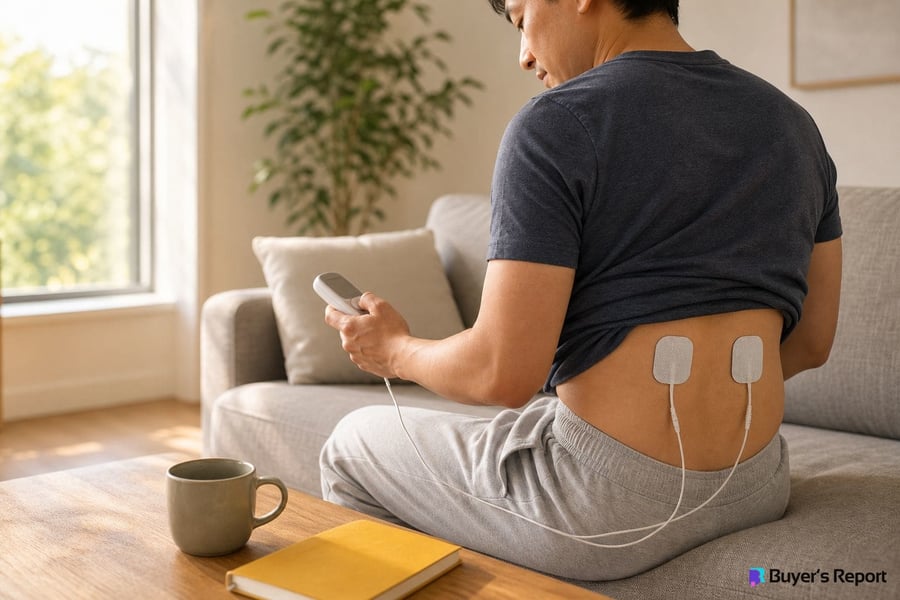
If you're managing chronic back pain, recovering from an injury, or looking for a drug-free way to take the edge off muscle soreness, a TENS unit may be worth adding to your toolkit. TENS — transcutaneous electrical nerve stimulation — delivers mild electrical pulses through adhesive electrode pads placed on the skin, and many people find it a useful complement to their broader pain management routine. Results vary from person to person, and TENS may not relieve pain for everyone, but for those it does help, the appeal is clear: portable, non-invasive, and medication-free. This guide walks you through the key specs, variants, and safety checks that should drive your buying decision.
Who Should Consider a TENS Unit?
TENS units appeal to a wide range of buyers, but they're not the right fit for everyone. Before spending money on one, it helps to know whether your situation is a good match for what these devices actually do. TENS units are not a substitute for professional medical diagnosis or treatment — think of them as one tool in a broader plan, not a standalone fix.
- Chronic pain sufferers: People managing ongoing back pain, sciatica, arthritis, or fibromyalgia often use TENS as a complementary tool alongside other therapies. It can fit neatly into a broader pain management plan rather than replacing it.
- Post-injury recovery: Those working through soft-tissue injuries or post-surgical soreness sometimes use TENS between physiotherapy sessions. If you're in active recovery, check with your care team before buying.
- Athletes and active adults: Drug-free muscle soreness relief is a common reason recreational and competitive athletes reach for TENS. Consumer-grade OTC units are typically sufficient for this use case.
- Older adults with joint pain: For musculoskeletal aches that flare up regularly, a simple dual-channel unit with preset programs can offer on-demand relief without complex setup.
- Pregnant individuals: Maternity TENS units are designed specifically for labour pain, but they require separate consideration — covered below under Safety.
Types of TENS Units
The market breaks down into a handful of distinct form factors and capability tiers. Knowing the differences upfront will save you from either overspending on features you won't use or underspending on a unit too limited for your needs.
- Wired handheld units: The traditional format — a small controller connected to electrode pads via lead wires. These tend to offer more manual control over intensity and pulse settings, and replacement pads are widely available. A solid choice if you'll primarily use the device at home.
- Wireless and Bluetooth units: App-controlled devices with no lead wires. They're discreet enough to wear under clothing during daily activities, which is a meaningful advantage if you need pain management on the go. The trade-off is dependency on a charged phone and a companion app that may vary in quality.
- Combination TENS/EMS units: These add electrical muscle stimulation alongside TENS. EMS contracts the muscle rather than just working on pain signals, which can be useful for athletes or people in rehabilitation. If you want both functions, check that the device clearly separates TENS and EMS modes rather than blending them.
- Maternity TENS units: Purpose-built for labour pain, these include a boost button for contraction peaks and are designed to be used during labour under appropriate guidance. They are not standard TENS devices and should not be used interchangeably with general-purpose units.
- OTC consumer units: Compact, plug-and-play devices with a limited intensity range and a small set of preset programs. Easy to use and widely available without a prescription, they're a common pick for general muscle discomfort and mild aches. Worth knowing: over-the-counter TENS units are not the same as prescription-strength clinical units — intensity and mode range differ meaningfully between the two categories.
- Prescription-strength clinical units: Higher mA output, broader program libraries, and more granular manual controls. Typically recommended by a physiotherapist or physician for specific clinical applications. If a healthcare provider has directed you toward TENS therapy, ask whether a clinical-grade unit is warranted for your situation.
Key Specs That Drive the Buying Decision
Three numbers will tell you more about a TENS unit than any marketing claim. Learn to read them and you can compare almost any two devices side by side in under a minute.
- Intensity range (mA): Output is measured in milliamps. Consumer OTC units typically top out around 15–80 mA; clinical units can reach 100 mA or higher. Larger body areas and deeper tissue generally call for more output before sensation registers — a unit that feels strong on a forearm may feel faint on the lower back. The right approach is to start on the lowest intensity setting and increase gradually to avoid skin irritation or discomfort, so look for a wide adjustable range, not just a high maximum.
- Number of channels: A single-channel unit powers one pair of pads; a dual-channel unit can power two pairs simultaneously, letting you cover a larger area or two separate pain sites at once. For lower back pain or bilateral joint pain, dual-channel is worth the usually modest price difference. Higher numbers aren't automatically better — channel count should match how you'll actually use the device.
- Preset programs: More programs mean greater versatility across different pain types and body areas. A unit with only two or three modes may serve a specific recurring pain well but offer little flexibility. If your pain varies in type or location, aim for at least eight to ten programs, and check whether intensity is adjustable within each preset.
Features to Look for When Comparing Models
Beyond the headline specs, a handful of practical features separate devices that are genuinely convenient to own from those that become frustrating quickly.
- Electrode pad compatibility: Some units lock you into proprietary replacement pads, which can be expensive over time. Universal-compatible pads are widely available and significantly cheaper. Check before you buy whether the unit accepts standard snap or pin connectors.
- Battery type and life: Rechargeable units are more economical long-term and better for the environment, but if the battery dies mid-session, you're out of luck until it charges. Replaceable-battery units offer flexibility for travel. Look at rated session life — a unit claiming 20 hours on a charge is meaningfully different from one offering four.
- Timer and auto-shutoff: A built-in session timer prevents overuse and is a useful safety feature, particularly for new users or those who may fall asleep during treatment. Most quality units include this; confirm it before purchasing.
- Display and controls: For older adults or anyone managing dexterity issues, large buttons and a clear display matter more than a sleek app interface. If you're buying for ease of daily use, prioritize physical controls you can operate without squinting at a smartphone.
Safety Features and Compliance to Verify Before Buying
TENS units are regulated medical devices, and there are specific safety checks you should complete on the spec sheet before committing to a purchase. This is not the section to skim.
- FDA clearance: FDA clearance indicates a device meets established safety and performance standards — look for it when comparing units. A cleared device has been reviewed for its intended use; an uncleared device has not. This is one of the clearest quality filters available to you as a buyer.
- Contraindication disclosures: Any reputable unit will clearly list who should not use it. People with pacemakers, implanted electrical devices, epilepsy, active cancer, or those who are pregnant should not use a TENS unit without explicit medical clearance. If a product listing glosses over contraindications, treat that as a red flag.
- Pad placement warnings: Responsible manufacturers will be explicit that you should not place electrode pads on the head, throat, spine, or over broken or irritated skin. Verify that the device documentation includes clear placement guidance before buying, and review it before your first session.
- Intensity graduation: A well-designed unit makes it easy to begin at a minimal setting and step up from there — this protects against skin irritation and discomfort, particularly during early use. Avoid units where the minimum setting jumps straight to an uncomfortable level.
A quick note on expectations: consult a doctor or qualified healthcare professional before using a TENS unit, especially if you have an underlying medical condition. These devices are not intended to diagnose, treat, cure, or prevent any disease or medical condition.
Bottom Line
A well-matched TENS unit gives you an accessible, drug-free option for managing pain on your own terms — but "well-matched" is doing real work in that sentence. Start by identifying your pain type and primary use location, then use channel count and mA range to filter out devices that aren't built for that job. Verify FDA clearance, confirm pad compatibility won't become a recurring expense, and make sure the contraindication list has been honestly disclosed. Get those fundamentals right, and you'll have a device that earns its place in your daily routine rather than collecting dust in a drawer.

 Neocarbon
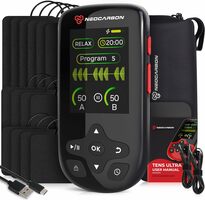 Neocarbon
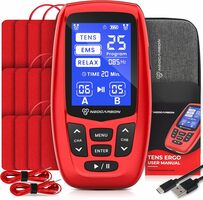 Neocarbon
 Neocarbon