Turmeric is known for anti-inflammatory & antioxidant properties. Whether you’re looking to support joint health, enhance cognitive function, or boost your overall well-being, it can be challenging to choose the right one. BuyersReport's experts have broken down the features and benefits of our top CoQ10 supplement picks so you can make an informed choice – our comprehensive review can help you find the best turmeric supplement for your health needs.
 Luma Nutrition
 aSquared Nutrition
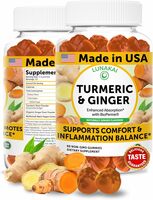 Lunakai
 Nutricost
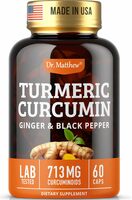 Dr. Matthew
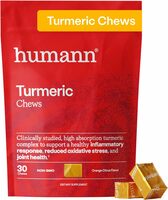 humanN
Luma Nutrition
humanN
Luma Nutrition

When most people think of turmeric, they may think of curry powders, natural food colorings, and other culinary applications. Lately, however, turmeric has become widely popular as part of a balanced lineup of nutritional supplements, making its way onto health food and grocery store shelves across the nation in capsule form. Enthusiasts have claimed numerous benefits to users’ brains, bodies, and overall mood from taking turmeric, making it not just delicious, but also an easy choice for improving your health. Keep on reading for the benefits, dosages, and everything you need to know before adding turmeric to your health regimen:
Turmeric is a spice closely related to ginger, famous for its iconic orange-yellow color (and its ability to stain everything it touches). An iconic ingredient in Indian food and numerous Asian cuisines, turmeric has also become a popular health supplement used to reduce inflammation, remove free radicals, ease gut pain, and even improve overall cognitive function and mood. Turmeric’s history goes back thousands of years, where it was used in India and the surrounding region as a delicious spice and also a powerful medicinal ingredient.
While the supplement has many benefits, it’s also important not to overdo it. Overindulging on turmeric supplements and turmeric-rich foods can lead to indigestion, diarrhea, allergic reactions, and gallbladder issues among other problems. Thankfully, it’s fairly hard to overdose in most cases, but it’s always best to consult a health professional before making major changes to your diet or supplement lineup.
When choosing a turmeric supplement, it helps to look for products that clearly list their curcumin content, since this is the compound most closely tied to turmeric’s potential benefits. Many formulas also include black pepper extract or piperine to improve absorption, which can make the supplement more effective. Shoppers may also want to compare capsules, powders, and gummies to find a form that fits easily into their routine, keeping in mind that quality testing and transparent ingredient sourcing can make a meaningful difference in overall value.
When choosing a turmeric supplement, it helps to look for products that clearly list their curcumin content, since this is the compound most closely tied to turmeric’s potential benefits. Many formulas may also include black pepper extract or piperine to help improve absorption, which can make the supplement more effective and easier to digest. You may also want to compare capsules, powders, and gummies to find a form that fits easily into your routine, keeping in mind that quality testing and transparent ingredient sourcing can make a meaningful difference in overall value.
It takes consistent doses of turmeric to show measurable results, but thankfully, it’s delicious and hosts a ton of powerful health benefits. Turmeric is a good choice for just about anyone, so we’ll break down the main benefits and who might be interested in them below:
One of turmeric’s biggest and most well-documented benefits is its anti-inflammatory properties. The spice is often used as a home remedy for arthritis and joint pain. Curcumin, the primary chemical compound in turmeric, is responsible for turmeric’s ability to reduce inflammation, but some research suggests that large and/or regular doses are required for any medically relevant results.
Another benefit of curcumin is its ability to help regulate blood sugar. Some research even suggests that people who regularly take curcumin supplements may have a lower risk of developing type 2 diabetes.
Migraines aren’t very well understood by researchers, but thanks to its anti-inflammatory properties, turmeric is often used to alleviate and prevent headaches and migraines. Whil e turmeric is closely related to ginger, its ability to actually alleviate headaches isn’t as well-documented as the spicier root.
While more research is needed, some animal trials and lab studies have shown turmeric can boost the strength of detoxifying enzymes and even halt the growth of cancer cells in some cases. Turmeric and curcumin are not cancer cures, though, and some research also shows that turmeric may negatively impact the effectiveness of chemo drugs.
Before choosing a turmeric supplement, there are a few key factors to keep in mind. Identifying the best dosages and sorting through the hundreds of nearly-identical options can often feel overwhelming — it’s important to understand the differences before grabbing a random supplement. While some users know exactly why they’re in the market for a curcumin or turmeric supplement, it’s important to maximize your benefits by choosing the supplement that’s right for you. Some factors that may impact your decision include:
Turmeric is already widely available in most supermarkets, so when taking it in pill form, companies often include other ingredients such as black pepper, ginger, and boswellia to complement turmeric’s health benefits and increase bioavailability. Besides checking whether you’re allergic to these additional substances, make sure to consider whether the benefits these supplements claim are areas of concern for you. If not, you may be better off buying curcumin by itself or simply including turmeric regularly in your diet.
Turmeric and curcumin dosages vary widely, and while some claim turmeric to be safe at up to 8 grams per day, most supplements tend to contain around 500mg of turmeric and are meant to be consumed twice a day with food.
Regardless of the dosage of your supplement, consistency is the most important factor. It can take anywhere from a month to 12 weeks to show results, so make sure to take your supplements as directed every day if you want to experience the benefits.
Determining the quality of your curcumin or turmeric supplements can be challenging given the lack of standardization in product certifications and testing. Beside overall quality, make sure you understand which ingredients are present — check for not just the curcumin or turmeric, but also for any other additives like ginger, black pepper, or sugar and gelatin for gummies and softgels. You’ll also want to check to ensure the product doesn’t include any unwanted additives. Read the label carefully and do some research on the brand, as well as any quality control or third-party testing the product undergoes.
Thanks to its wide availability, turmeric supplements are very affordable in general. Higher-quality supplements with high-absorption formulae or extra ingredients will often cost more, while lower-dose alternatives are cheaper. Keep in mind that extra ingredients don’t automatically make for a better experience or a higher-quality product — make sure that you read the label carefully and consider your preferred intake method (gummies, softgels, capsules, etc.).
Turmeric supplements and curcumin are great options for reducing inflammation, regulating blood sugar, and even headache relief. While there isn’t much clinical evidence supporting the benefits of turmeric, there are centuries of anecdotal evidence claiming a wide range of powerful medicinal properties. Despite the wide range of benefits, it’s always important to speak with a physician before taking a new supplement to avoid any unexpected side effects, determine a good dosage for you, and make sure that any pre-existing conditions or potential interactions with other medications or supplements are accounted for. Taking a measured approach to your turmeric usage can provide an excellent option for managing stubborn inflammatory issues.