
Vitamin C is one of the most widely taken dietary supplements in the world, and for good reason — it plays a central role in immune function, antioxidant defense, and the body's ability to produce collagen. While most people get some vitamin C through food, those with limited fruit and vegetable intake, higher physical demands, or sensitive digestion often turn to supplements to fill the gap. This guide walks you through the key differences in form, dose, and quality so you can choose a vitamin C supplement that fits your needs.
How Vitamin C Works in the Body
Vitamin C, or ascorbic acid, is a water-soluble nutrient the body cannot produce on its own, which means you need a consistent daily supply from food or supplementation. It functions as an antioxidant, helping to neutralize free radicals that can damage cells over time. It also supports normal immune function by contributing to the activity of white blood cells, and it plays a role in collagen synthesis, which helps maintain skin, joints, and connective tissue. Because it is water-soluble, the body does not store excess vitamin C — whatever isn't used is excreted through the kidneys, which has real implications for how much you actually need to take.
Who Should Consider Vitamin C Supplements
Whole foods remain the preferred source of vitamin C, and supplements are best thought of as a way to fill genuine dietary gaps rather than replace a balanced diet. That said, there are several situations where a daily vitamin C supplement makes practical sense.
- Limited Fruit and Vegetable Intake. If your daily diet doesn't include much fresh produce, you may not be reaching the recommended 75–90 mg per day from food alone. A modest-dose supplement can help bridge that gap reliably.
- Sensitive Stomachs. Standard ascorbic acid can be harsh for some people at higher doses. Buffered forms like sodium ascorbate or calcium ascorbate are worth considering if you've experienced digestive discomfort with vitamin C before.
- Athletes and Physically Active Adults. Intense exercise increases oxidative stress, and some active individuals look to vitamin C as part of a broader antioxidant strategy. Absorption and dose considerations become especially relevant here.
- Those Taking Iron Supplements. Vitamin C taken alongside non-heme iron (the form found in plant foods and many supplements) may support better iron absorption, making it a useful addition for people managing low iron levels.
- Adults Focused on Daily Immune and Antioxidant Support. If your goal is general immune and antioxidant maintenance, a well-formulated daily supplement with a sensible dose is a simple addition to a wellness routine. Results vary from person to person, and supplementation may not produce the same effect for everyone.
Forms of Vitamin C: Which Type Fits Your Stomach and Budget
Not all vitamin C supplements are formulated the same way. The chemical form affects both how well your body tolerates it and how much you'll pay per dose. Understanding the tradeoffs helps you match the right product to your situation.
- Ascorbic Acid. This is the most common and least expensive form, and it's chemically identical to the vitamin C found in food. It's effective at standard doses but can cause stomach upset or acid reflux in people who are sensitive, particularly at higher amounts.
- Buffered Forms (Sodium or Calcium Ascorbate). These are ascorbic acid bound to a mineral salt, which raises the pH and makes the supplement gentler on the digestive tract. A good option if you've had GI issues with standard vitamin C, though they typically cost a bit more.
- Liposomal Vitamin C. Encased in a lipid layer that may aid uptake through the gut wall, liposomal forms come as liquids or softgels and are the most expensive option. While they're often marketed as superior, no single form has been shown to outperform others for all users, and the extra cost may not be worthwhile if you're taking sensible doses.
- Powders and Stick Packs. Powdered vitamin C offers flexibility in how you dose and is easy to mix into water or juice. It can be ascorbic acid or buffered, and loose powder is often one of the better value options per serving.
- Gummies and Chewables. These are popular for ease of use, but tend to contain added sugars, fewer milligrams per serving, and less formulation flexibility. Check the label carefully for dose and ingredient cleanliness.
- Vitamin C with Bioflavonoids. Some supplements add plant-based bioflavonoids, which naturally accompany vitamin C in whole foods. A reasonable choice if you're looking for a more whole-food-aligned formula.
What to Look for When Buying Vitamin C Supplements
Once you've identified the right form, a few additional quality markers help separate well-made supplements from mediocre ones.
- Third-Party Certification. A seal from an independent verifier like USP, NSF International, or ConsumerLab is the most reliable way to confirm that a product contains what the label claims and is free from harmful contaminants. Look for these marks before anything else.
- Dose Per Serving. Absorption plateaus around 200–400 mg per day for most adults, and megadoses above this threshold offer diminishing returns as the excess is simply excreted. A supplement that delivers 250–500 mg per serving is generally appropriate for daily use; you don't need to chase the highest number on the label.
- Ingredient Cleanliness. Scan the "other ingredients" section for artificial colors, unnecessary fillers, or high added sugar — especially in gummies. A shorter, cleaner ingredient list is usually a better sign.
- Allergen and Dietary Considerations. If you avoid GMOs, have allergen sensitivities, or follow a specific diet, check whether the product is labeled non-GMO, gluten-free, or vegan. Most synthetic ascorbic acid is not derived from corn directly, but some products will call out sourcing transparency if it matters to you.
- Value Per Effective Dose. Compare cost per serving at the dose that actually matters — typically 250–500 mg — not per bottle. A high-milligram product that costs twice as much isn't automatically better value.
Dosage and How to Take It
The recommended daily intake for most adults is 75–90 mg, with an upper tolerable limit generally set at 2,000 mg per day by health authorities. For most people taking a supplement for general support, a single daily serving of 250–500 mg is a sensible range. If you're taking a higher-dose product, splitting servings throughout the day can support more consistent uptake, since the gut's transport mechanism becomes saturated at around 200–400 mg at a time. Taking vitamin C with food tends to reduce the likelihood of stomach upset, particularly with ascorbic acid forms. Consistency matters more than timing — a modest dose taken daily will generally serve you better than large doses taken sporadically.
Safety, Side Effects, and Considerations
Vitamin C is a dietary supplement, not a drug, and is not FDA-approved to diagnose, treat, cure, or prevent any disease. For most healthy adults, moderate daily supplementation is well tolerated — but a few caveats are worth keeping in mind before you start.
- GI Side Effects at Higher Doses. High doses, generally above 1,000 mg per day, may cause gastrointestinal side effects such as diarrhea or stomach cramps. Buffered forms can reduce but won't always eliminate this risk.
- Kidney Stone Risk. Anyone with a history of kidney stones or chronic kidney disease should talk to a clinician before taking high-dose vitamin C, since the excess is processed through the kidneys and may raise oxalate levels.
- Medications and Health Conditions. It's worth checking in with a healthcare provider before starting supplementation, especially if you have a chronic condition, are pregnant or nursing, or take medications — including blood thinners or chemotherapy agents, which may interact with high-dose vitamin C.
Bottom Line
A well-chosen vitamin C supplement is a simple, affordable addition to a daily wellness routine — particularly if your diet doesn't reliably cover the basics. Focus on finding the right form for your digestive tolerance, a sensible dose in the 250–500 mg range, and a product verified by a recognized third-party certifier. You don't need the most expensive liposomal formula or the highest milligram count on the shelf. A clean, certified product at a moderate dose, taken consistently, is almost always the smarter buy.

 aSquared Nutrition
 Nutricost
 Viva Naturals
 Lunakai
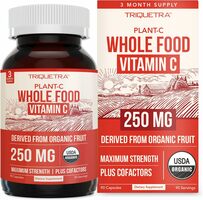 Triquetra