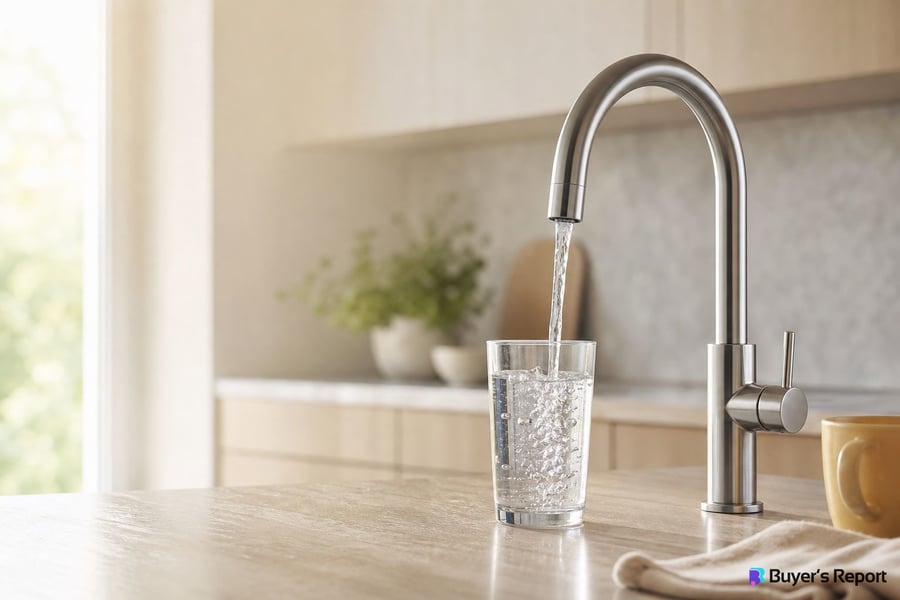
Clean drinking water is something most people take for granted — until they notice a strange taste, receive a concerning water quality report, or move somewhere with a private well. Water filtration systems exist to reduce contaminants that may be present in your water supply, whether that's chlorine and taste compounds in municipal water or sediment, heavy metals, and bacteria in well water. The right system depends almost entirely on what's actually in your water, which makes this a more research-driven purchase than most home appliances. This guide walks you through how to identify what you need, which technologies address which contaminants, and what to verify before you buy.
Who Should Consider a Water Filtration System?
Water filtration isn't a one-size-fits-all purchase, and not every household needs the same level of treatment. The right fit depends on your water source, your household's priorities, and how much you're willing to invest in installation and ongoing maintenance.
- Municipal water, taste concerns: If your tap water smells of chlorine or has an off-putting taste, a basic carbon-based pitcher, faucet-mount, or under-sink filter is often all you need. These are lower-cost, low-installation options that can make a noticeable everyday difference.
- Lead or PFAS exposure: Households in older homes with lead pipes, or in areas with known PFAS contamination, need a system specifically certified to reduce those contaminants. Not all filters address these — certification verification is essential here.
- Private well users: Well water is unregulated and can contain sediment, bacteria, nitrates, heavy metals, or hardness minerals depending on your location and geology. A multi-stage or whole-house system is usually necessary, and professional water testing is non-negotiable before buying.
- Renters or frequent movers: Pitcher filters and countertop units require zero installation and move with you. They're a practical starting point if you can't modify plumbing or don't want to commit to a permanent setup.
- Plastic bottle reduction: If your primary goal is reducing single-use plastic, almost any certified point-of-use system will serve you well — the key is choosing one you'll actually use consistently.
Types of Water Filtration Systems
Filtration technology varies widely, and each type targets a different range of contaminants. Understanding the major categories helps you match the right system to your specific water problem rather than defaulting to the most expensive or most marketed option.
- Pitcher and countertop gravity filters: These use activated carbon to reduce chlorine, taste, and odor. They're affordable, require no installation, and are ideal for renters or light use — but flow rate is slow and contaminant coverage is limited compared to more advanced systems.
- Faucet-mount filters: Attached directly to your tap, these offer on-demand filtered water with a simple toggle. Carbon-based, they address taste and chlorine well, but may not fit all faucet types and have shorter filter lifespans.
- Under-sink filters (single and multi-stage): Installed under the kitchen sink with a dedicated tap, these offer higher flow rates and more filtration stages than countertop options. Multi-stage versions can combine sediment, carbon, and specialty media to address a broader contaminant range.
- Reverse osmosis (RO) systems: RO forces water through a semi-permeable membrane that rejects a wide range of dissolved contaminants including lead, arsenic, nitrates, and PFAS. It's among the more thorough point-of-use technologies available, but it produces some wastewater and may reduce flow rate at the tap.
- Whole-house (point-of-entry) systems: Installed where the main water line enters your home, these treat all water — showers, laundry, and drinking — before it reaches any fixture. They're especially relevant for well-water households dealing with sediment or hardness, but require professional installation and higher upfront cost.
- UV purification systems: UV light inactivates bacteria, viruses, and other microorganisms without adding chemicals. UV does not remove particulates or dissolved contaminants, so it's typically used as a final stage in a multi-step system rather than a standalone solution.
Understanding NSF/ANSI Certifications
NSF/ANSI certification is the standard way to verify a system actually reduces the contaminants it claims to target. Marketing language like broad percentage-removal claims means little without independent certification behind it — what matters is which specific standard the system is certified to, and whether that standard covers your contaminant of concern.
- NSF/ANSI 42: Covers aesthetic improvements only — chlorine taste, odor, and particulates. This is the most common certification and the one most pitcher and faucet-mount filters carry. It says nothing about health-related contaminants like lead or PFAS.
- NSF/ANSI 53: Covers health-related contaminants including lead, certain VOCs, and cysts. If lead is your concern, confirm the system is certified under Standard 53 specifically for lead reduction — not just a general 53 listing.
- NSF/ANSI 58: Applies specifically to reverse osmosis systems and covers contaminants reduced by the RO membrane, including nitrates, arsenic, barium, and radium. RO systems may also carry Standards 42 and 53 for their pre- and post-filters.
- NSF/ANSI 401: Covers emerging contaminants not addressed in older standards, including certain pharmaceuticals, herbicides, and PFOA/PFOS. If PFAS is a concern, look specifically for 401 certification that lists those compounds.
- NSF/ANSI P231: Microbiological purification — relevant if your water source may contain bacteria or viruses. Particularly important for well-water buyers and anyone with compromised infrastructure.
Water Testing and Coverage: Two Decisions to Make First
Before you evaluate a single product, two foundational questions should shape your entire search: what's in your water, and how much of your home's water do you need to treat? Getting these right prevents you from spending money on a system that's mismatched to your actual situation.
- Test your water before buying — the right system depends on what contaminants are actually present in your specific water supply. Municipal customers can start with their utility's annual Consumer Confidence Report, but it won't reflect what happens inside your home's plumbing — especially relevant for lead. Well-water users should always use a certified lab test, since home kits vary in accuracy and may miss key contaminants. Skipping this step is the most common way buyers end up with the wrong system.
- Know what to test for: At minimum, test for the contaminants most likely in your area — lead and chlorine byproducts for older municipal systems; bacteria, nitrates, hardness, and heavy metals for well water. A broader panel costs more but can prevent buying the wrong technology.
- Point-of-use vs. point-of-entry: Point-of-use systems (under-sink, pitcher, RO) filter water at a single tap and are ideal when your concern is drinking and cooking water only. Point-of-entry systems treat all water entering the home and make more sense when contaminants affect bathing, laundry, or appliances — common with hard well water or high sediment.
- Municipal vs. well considerations: Municipal water is pre-treated, so the filtration job is typically finishing work — removing residual chlorine, byproducts, or pipe-introduced contaminants. Well water arrives untreated, so the system needs to handle the full contamination load, which almost always means multiple filtration stages.
What to Verify Before Buying
No filter removes all contaminants — always verify the specific contaminants a system is certified to reduce, not just general marketing claims. No residential filtration system should be represented as making water safe to drink in all situations; for serious contamination concerns, consult local water quality data and a qualified water professional. Nothing in this guide is intended to diagnose, treat, cure, or prevent any disease or medical condition.
- Certification scope, not just presence: A system may carry NSF/ANSI 53 for cyst reduction but not for lead reduction. Always check the certified contaminant list for that specific model, which should be available on the certifying body's website (NSF, IAPMO, or WQA).
- Filter replacement compliance: Filter replacement schedules must be followed — an overdue filter can stop working effectively or even release trapped contaminants back into water. Before buying, confirm that replacement cartridges are readily available and factor the cost and frequency into your decision.
- Materials certifications: Verify that any system in contact with drinking water uses components certified under NSF/ANSI 61, which covers material safety and ensures the filter housing itself doesn't leach harmful substances into the water.
- UV system prerequisites: UV systems require water to be pre-filtered for turbidity and sediment — UV light cannot penetrate cloudy water effectively. If you're considering a UV stage, confirm the upstream filtration is adequate for your source water.
- Expect some variability: Results vary based on source water quality, usage volume, and maintenance adherence. A system certified under controlled lab conditions may perform differently in your home if water chemistry, temperature, or flow rate differs significantly from test parameters.
Bottom Line
Choosing the right water filtration system comes down to knowing your water first and matching technology to that reality — not defaulting to the most impressive-sounding filter on the shelf. Start with a water test, identify your target contaminants, and then look for systems that carry the specific NSF/ANSI certifications that address those contaminants. Factor in whether you need point-of-use coverage for drinking water or whole-home treatment, what your realistic budget is for ongoing filter replacement, and how much installation complexity you can manage. A well-matched, properly maintained filtration system can meaningfully improve your water quality — but only if the specs align with what's actually in your tap.

 Waterdrop
 Waterdrop
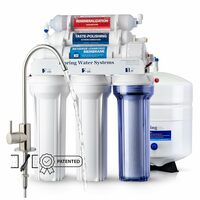 iSpring
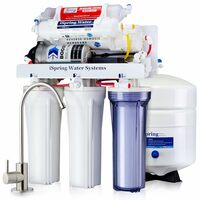 iSpring