Zinc is an essential trace mineral your body cannot produce or store on its own, which means you depend entirely on diet and, when needed, supplementation to maintain adequate levels. It plays a role in hundreds of enzymatic processes and is closely tied to immune function, skin health, and cellular repair. Many adults fall short of optimal intake — a pattern especially common among vegetarians, vegans, older adults, and people with high physical output. This guide walks you through the zinc forms worth knowing, how to match format and dose to your goal, and the quality markers that separate a well-made supplement from a mediocre one. Zinc supplementation is meant to complement a balanced diet and appropriate medical care, not replace either one.
Who Should Consider Zinc Supplementation?
Zinc supplements are used across a wide range of wellness goals, from shoring up a dietary gap to supporting the body during cold and flu season. Your reason for supplementing shapes which form, dose, and format makes the most sense for you. Before starting any zinc regimen, it is worth checking in with a healthcare provider — especially if you take prescription medications or have an underlying condition.
- Immune Support Seekers: Adults looking for seasonal immune support often turn to zinc during cold and flu season. Lozenges dissolved slowly in the mouth are sometimes chosen for this purpose because they keep zinc in contact with the upper respiratory tract rather than relying on systemic absorption.
- Deficiency-Prone Groups: Vegetarians and vegans tend to absorb less zinc from plant-based diets because phytates in legumes and grains inhibit absorption. Older adults, endurance athletes, and people with certain gastrointestinal conditions are also more likely to have low zinc status and may consider a targeted supplement after consulting a provider.
- Skin Health Focused: Zinc participates in skin cell turnover and inflammatory regulation, which is why it appears in regimens aimed at acne-prone or slow-healing skin. People pursuing this goal typically use a daily oral supplement rather than a lozenge or short-term protocol.
- Pill-Averse Users: People who have difficulty swallowing tablets or capsules can find zinc in liquid drops or chewable formats that deliver the same mineral without the swallowing challenge.
- Medication Users: Individuals taking antibiotics or other prescription drugs may need to time zinc intake carefully to avoid interactions — a detail covered in the safety section below.
Zinc Forms and Bioavailability
The form of zinc in a supplement influences how efficiently your body absorbs it and how well your stomach tolerates it. No single form is universally best — the right choice depends on your priorities, your tolerance, and what you are trying to accomplish.
- Zinc Picolinate: This chelated form binds zinc to picolinic acid, a compound the body naturally produces. It is among the more widely studied organic forms and is a common choice for daily maintenance supplementation.
- Zinc Citrate: Citrate is generally well-absorbed and tends to be gentle on the digestive system, even without food. It offers a practical middle ground for people who want solid bioavailability without strict meal timing.
- Zinc Bisglycinate: This amino acid-chelated form bonds zinc to two molecules of glycine, which tends to be easier on sensitive stomachs. It is a reasonable pick if GI discomfort has been a problem with other forms.
- Zinc Gluconate: Gluconate is one of the most accessible forms, found in lozenges and standard OTC tablets. Bioavailability is decent and availability is broad, though chelated forms generally show better absorption in comparative studies.
- Zinc Acetate: If you are specifically shopping for cold-season lozenges, zinc acetate has a notable body of research behind it for that delivery format. It is not typically the first choice for general daily supplementation.
- Zinc Oxide and Zinc Sulfate: These inorganic forms tend to show the lowest bioavailability and are more likely to cause nausea, particularly sulfate. Oxide appears frequently in multivitamins where cost matters more than absorption efficiency. If the label lists one of these as the zinc source in a standalone supplement, it is worth comparing alternatives.
A Note on Nasal Zinc
Zinc nasal sprays and gels are a separate category from oral supplements and should not be treated as interchangeable. Intranasal zinc products have been associated with loss of smell, and this guide's recommendations apply only to oral formats — capsules, tablets, lozenges, liquids, and chewables.
Choosing by Wellness Goal and Format
The right zinc supplement is not just about the compound on the label — format and dose should reflect what you are actually trying to accomplish. A product chosen for cold-season use looks meaningfully different from one designed for daily nutritional support.
- Daily Maintenance: A capsule or tablet delivering 8–15 mg of elemental zinc from a chelated form fits most adults supplementing to fill a dietary gap. This range typically stays well within safe limits and does not require copper co-supplementation in most cases.
- Deficiency Correction: If a confirmed deficiency is the starting point, doses are often higher and should be guided by a healthcare provider. At those levels, copper monitoring or a formula that includes copper becomes more important — a point addressed in the next section.
- Upper-Respiratory Support: Lozenges, not capsules or tablets, are the format people reach for here. Zinc gluconate or zinc acetate lozenges are the common picks, used at the first sign of symptoms. The proposed mechanism depends on local contact in the throat, so a swallowed capsule is not a substitute.
- Skin Health: Daily oral supplementation with a chelated form at standard doses is the typical approach. There is no evidence that higher doses produce better skin outcomes, and more is not better with zinc.
- Liquid and Powder Formats: Zinc drops and liquid formulas are practical for people who cannot swallow pills, for pediatric use under medical guidance, or for anyone who prefers mixing supplements into a beverage. Check elemental zinc per serving carefully, as concentrations vary widely between products.
What to Look for on the Label
Reading a zinc supplement label well takes less than a minute once you know what matters. These are the factors that separate a supplement worth buying from one that looks good on the front panel but underdelivers.
- Elemental Zinc Per Serving: Always compare products by elemental zinc milligrams, not total compound weight. A tablet listing "50 mg zinc gluconate" delivers only about 7 mg of actual zinc. The elemental zinc figure should be clearly stated; if it is not, move on.
- Third-Party Certification: Look for verification from NSF International, USP, or ConsumerLab. These certifications confirm that what the label says is actually in the product and that it is free from concerning contaminants. Because these products are dietary supplements rather than FDA-approved drugs, independent third-party testing is the most reliable quality safeguard available to a buyer.
- Copper Inclusion: Long-term zinc use — especially at doses above 15 mg daily — can reduce copper absorption. Some formulas include a small amount of copper (typically 1–2 mg) to offset this. If yours does not, check whether your diet or multivitamin already covers copper.
- Additives and Allergen Status: If you have dietary restrictions, scan for gluten, soy, dairy, or artificial colors. Capsule-based products tend to have fewer unnecessary fillers than compressed tablets, though quality varies across both formats.
- Combination Formulas: Some zinc supplements are paired with vitamin C, elderberry, or other immune-adjacent nutrients. These can be convenient, but confirm the zinc dose is meaningful and that added ingredients appear at functional levels rather than token amounts included for marketing purposes.
Safety, Side Effects, and Considerations
Zinc is generally well tolerated when used as directed, but it has a narrower margin between effective and problematic than many other minerals. A few points are worth understanding before you start.
- Upper Intake Level: The tolerable upper intake level for zinc is 40 mg per day for adults, and long-term intake above this level can cause copper deficiency, anemia, and impaired immune function — the opposite of what most people are aiming for when they supplement.
- GI Discomfort: Taking zinc on an empty stomach may cause nausea. Taking it with a small amount of food can meaningfully reduce GI discomfort, particularly with sulfate and gluconate forms.
- Drug Interactions: Zinc can interact with certain antibiotics — including fluoroquinolones and tetracyclines — as well as other medications, and timing of intake matters. Spacing zinc at least two hours away from these drugs is a common approach, but anyone taking prescription medication should talk to a healthcare provider before starting zinc.
- Copper Depletion: Anyone using zinc long-term should monitor copper status or choose a formula that includes copper. This is not a hypothetical concern — copper deficiency from chronic high-dose zinc use is a documented clinical finding and should not be brushed aside.
- Child Safety: Keep zinc supplements out of reach of young children. If a child accidentally ingests high-dose tablets, contact Poison Control immediately.
- General Use: Zinc supplements are not intended to diagnose, treat, cure, or prevent any disease, and outcomes vary from person to person because individual zinc status and absorption differ.
Bottom Line
Zinc is one of the more versatile minerals in the supplement aisle, but the range of forms, doses, and formats means a little label literacy goes a long way. Prioritize elemental zinc content over total compound weight, choose a chelated form for daily use unless you have a specific reason to go another direction, and match your format to your goal — lozenges for upper-respiratory applications, capsules or tablets for daily maintenance, liquids for those who need them. Stay below 40 mg of elemental zinc per day unless a provider directs otherwise, and if you are supplementing long-term, pay attention to copper. Third-party certification is the clearest quality signal available, so make it a non-negotiable part of your buying checklist.

 Nutricost
 Nutricost
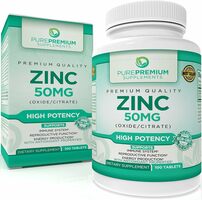 PurePremium